Grey Sedge Care (Carex divulsa)

Also known as: grassland sedge

About Grey Sedge

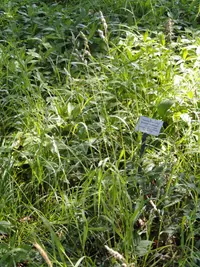
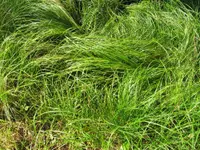
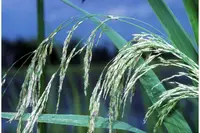
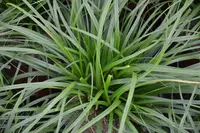
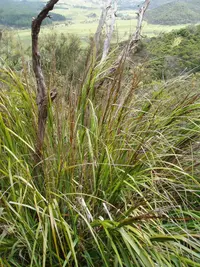
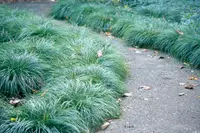
Grey sedge (Carex divulsa) is a cool-season, clump-forming ornamental grass-like plant from the sedge family. It produces fine, arching, medium-green foliage that creates a soft, tufted mound. In late spring to summer it can form modest flower spikes that add light texture rather than showy color.

This species is native to parts of Europe and western Asia and is now used widely in urban landscapes, meadows, and naturalistic plantings. It adapts well to a range of soils and can tolerate some shade, which makes it relatively forgiving. To care for Grey Sedge, focus on consistent moisture, reasonable drainage, and avoiding extremes of drought or waterlogging.

Main Plant Requirements

Care Difficulty

Easy Care

Light Preference

Partial Sun

Water Requirements

Moderate Water

Temperature Preference

Cold Hardy

Hardiness Zone

5–9

Soil Texture

Sandy, Loamy, Clay

Soil pH

Slightly acidic (6.5–7.0), Neutral (7.0)

Soil Drainage

Moist but well-drained

Fertilization

Minimal (feed rarely)

Get Personalized Care Plan

Scan your plant to receive care tips personalized for your specific plant

Available on iOS and Android

How to Care for the Grey Sedge

Carex divulsa grows best in bright, open conditions with some protection from intense afternoon sun.

  • Provide 4–6 hours of sun daily, ideally with morning sun and light afternoon shade, especially in hotter regions.
  • Tolerates partial shade and dappled light; in areas with less than 3–4 hours of sun, expect looser growth and fewer flower spikes on Grey Sedge.
  • In hot summers, reduce scorch risk by avoiding full, exposed afternoon sun and using nearby shrubs or trees to cast light shade.

Carex divulsa prefers consistently moist soil but does not tolerate waterlogged conditions.

  • Water when the top 2–3 cm of soil feel barely moist, aiming to keep the root zone evenly damp rather than wet or dry.
  • In spring and summer, check soil 2–3 times per week; in cool or rainy seasons, reduce watering and rely more on natural rainfall.
  • Watch for yellowing, soft foliage as a sign of overwatering, and browning tips with dry soil as a sign of underwatering; improve drainage if puddling persists.

This cool-season sedge handles a wide temperature range but grows most actively in mild conditions.

  • Optimal growth occurs around 55–75°F (13–24°C), with the strongest leaf production in cool spring and fall weather.
  • Mature plants tolerate cold down to about 0°F (-18°C) with mulch, though foliage may burn or thin after repeated hard frosts.
  • Heat tolerance is moderate; in extended periods above 90°F (32°C), provide extra moisture and light shade to limit stress and tip scorch.

Humidity is rarely a limiting factor for Carex divulsa in typical home or outdoor conditions.

Carex divulsa prefers moist, well-structured mineral soil that does not stay waterlogged.

  • Use a loamy mix with moderate organic matter, such as garden loam blended with compost and a small amount of sharp sand.
  • Aim for pH around 6.0–7.5, avoiding strongly acidic or highly alkaline conditions that can limit nutrient availability.
  • Ensure free drainage by avoiding heavy, compacted clay; incorporate grit or sand to open the structure if necessary.
  • Maintain consistent moisture but never allow soil to stay saturated, which promotes root rot and weak, shallow roots.

This species is suitable for container growing when moisture and drainage are carefully balanced.

  • Choose a wide, moderately deep pot to give the spreading root system room while keeping the plant stable in wind.
  • Select a heavier material such as ceramic if containers are exposed, to reduce tipping as foliage clumps enlarge.
  • Raise the pot slightly on feet or blocks so drainage holes stay clear and excess water leaves the root zone quickly.

Carex divulsa grows well in average soil and only benefits from modest feeding.

  • Apply a light top-dressing of compost in spring to boost soil organic matter and slow nutrient release.
  • Use a balanced slow-release fertilizer (around 10-10-10) once in early spring for Grey Sedge in poorer soils.
  • Dilute liquid balanced fertilizer to 1/2 strength and apply no more than once per month in the main growing season.
  • Avoid feeding in late fall and winter, as growth slows and excess nutrients can stress the roots.

Carex divulsa responds well to light, periodic pruning to maintain a tidy clump.

  • Best time for pruning is late winter or very early spring, before new growth emerges.
  • Shear back old, winter-damaged, or discolored foliage to 5–8 cm above the crown with clean hand shears.
  • Remove dead, broken, or badly crowded stems during the season to maintain airflow and prevent matting.
  • Light shaping keeps the plant dense and arching, while heavy cutting to the base is usually unnecessary.

This sedge is more often transplanted in the ground than repotted but can adapt to containers.

  • Look for roots circling the pot drainage holes, dry-out between waterings, or slowed growth as signs it needs more space.
  • Transplant or divide clumps in early spring or early fall, when temperatures are mild and soil moisture is reliable.
  • Plan on moving or dividing container plants every 2–3 years to refresh soil and prevent congestion.
  • Water thoroughly before and after transplanting, keep roots shaded, and avoid disturbing the root ball more than necessary to limit stress.

Carex divulsa is most commonly propagated by division rather than from seed.

  • Divide mature clumps in early spring or early fall, when temperatures are cool and soil is moist.
  • Lift the clump, then split it into sections with several shoots and a healthy root mass each.
  • Replant divisions at the same depth in well-drained soil and water thoroughly to settle roots.
  • Seeds can be sown in trays outdoors in fall, allowing natural winter chilling to aid germination.

This sedge is generally cold hardy and needs minimal winter care in most temperate climates.

  • Established clumps tolerate typical frosts and short freezes without additional covering.
  • In colder regions, add a 2–5 cm layer of mulch around the root zone to moderate soil temperature fluctuations.
  • Container plants benefit from being placed in a sheltered spot and kept just moist, not wet, through winter.

Care Tips

Edge Control

Install a shallow plastic or metal edging strip 5–8 cm deep around beds to prevent rhizomes from creeping into lawns or paths and to keep clumps of Carex divulsa neatly contained.

Selective Thinning

Once a year, remove a few of the oldest, densest shoots from the center of each clump with sharp shears to increase air flow, reduce fungal risk, and encourage fresh foliage from the base.

Shear And Comb

In late winter, lightly shear the foliage to 5–8 cm and then comb through with gloved hands or a small rake to pull out dead blades so the new growth emerges clean and even.

Traffic Management

Place stepping stones or a defined path where foot traffic is unavoidable through a planting, since repeated treading on the same spot compacts soil and thins out the grass-like tufts.

Mulch For Weed Suppression

Apply a 3–5 cm layer of fine gravel or composted bark around but not on top of crowns to suppress weeds, stabilize soil moisture, and simplify caring for Grey Sedge in mixed borders.

Common Pests and Diseases

Rust

This disease causes small orange to brown pustules on leaves and can lead to premature browning and thinning of clumps in moist, crowded plantings.

Solution

Remove and dispose of heavily infected leaves to reduce spore load, avoid overhead watering, and thin or divide dense clumps to improve airflow; if rust persists in ornamental plantings, apply a labeled fungicide for rust on ornamental grasses, following product directions carefully.

Leaf spot

This disease produces tan to dark brown spots with possible yellow halos on blades, often starting on older foliage in prolonged humid or wet conditions.

Solution

Trim out and discard affected leaves, water at soil level rather than from above, and space plants so foliage dries quickly; in persistent or severe cases, use a broad-spectrum ornamental grass fungicide according to label instructions as part of broader Carex divulsa care instructions.

Aphids

These insects cluster on young shoots and flowering stems, sucking sap and causing distortion, sticky honeydew, and sometimes sooty mold on foliage.

Solution

Spray foliage thoroughly with a strong stream of water to dislodge colonies, encourage natural predators such as lady beetles, and, if needed, apply insecticidal soap or horticultural oil, repeating every 5–7 days until populations collapse.

Spider mites

These pests feed on leaf surfaces in hot, dry conditions, causing fine stippling, dull or bronzed foliage, and very fine webbing deep in the clump.

Solution

Increase humidity around the plants, hose down clumps including leaf bases to physically remove mites, and treat with horticultural oil or insecticidal soap directed into the foliage crowns, repeating applications as the label recommends.

Slugs and snails

These pests chew irregular holes and ragged edges on lower leaves, especially on young or newly planted clumps in damp, shaded beds.

Solution

Hand-pick at dusk, reduce hiding spots such as dense mulch and debris, and use iron phosphate slug pellets or beer traps placed around the planting area to reduce feeding pressure without harming the grass.

Interesting Facts

Early naturalized sedge

Carex divulsa is one of the earlier Eurasian sedges documented as naturalized in parts of North America, especially in California, where it has integrated into urban and disturbed habitats since at least the late 20th century.

Preference for disturbance

This species often colonizes trampled ground, road verges, and compacted soils, reflecting an ecological preference for moderately disturbed, nutrient-enriched sites rather than pristine wetlands.

Complex species history

For many years Carex divulsa was treated broadly and confused with related taxa in the Carex divulsa aggregate, and only more recent taxonomic work and molecular studies have clarified its limits and separated out closely allied species.

FAQs about Grey Sedge

This species spreads by short rhizomes and self-seeding, forming loose colonies over time. It is not usually considered aggressively spreading in managed gardens, but in ideal conditions it can naturalize and slowly expand beyond the original clump.

Grow Healthy Plants with Botan Care

Keep your plants happy and healthy with plant identification, disease detection, and easy care guidance.

Botan plant care app — identify plants on mobile

Explore More Plants