Mulch For Moisture
Apply a 3–5 cm layer of leaf mold or fine bark mulch around the clumps to keep the root zone evenly moist, suppress weeds, and reduce soil temperature swings in summer.

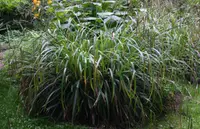
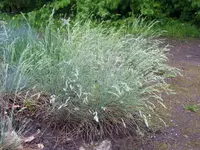
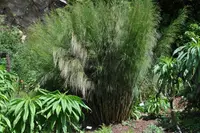
Pendulous sedge, Carex pendula, is a clump-forming ornamental grass-like plant from shaded woodlands and stream banks in western and southern Europe and parts of North Africa. It forms tall, arching tufts of evergreen foliage with long, drooping flower spikes that give it a distinctive, cascading look.
In gardens, it is often used near water, in woodland-style plantings, or for naturalistic, low-maintenance areas. It spreads by seed and short rhizomes, so it can become vigorous in suitable climates.
Carex pendula prefers moist, humus-rich soil, partial shade, and consistent moisture but tolerates brief dry spells once established. For many gardeners, learning how to care for pendulous sedge mainly involves managing its spread and placing it where its size and habit fit the space.

Care Difficulty
Easy Care

Light Preference
Partial Shade

Water Requirements
Keep Soil Moist

Temperature Preference
Cold Hardy

Hardiness Zone
5–9

Soil Texture
Loamy, Clay, Organic-rich

Soil pH
Acidic (5.5–6.5), Slightly acidic (6.5–7.0)

Soil Drainage
Moist but well-drained

Fertilization
Minimal (feed rarely)
Scan your plant to receive care tips personalized for your specific plant
Available on iOS and Android
This shade-tolerant grass prefers cool, filtered light with brief direct sun.
This moisture-loving sedge prefers consistently damp soil without becoming waterlogged.
This hardy sedge tolerates a wide temperature range typical of temperate outdoor gardens.
This species handles a wide humidity range and usually does not need special humidity management outdoors or in containers.
This species prefers consistently moist, fertile, organic-rich soil.
This species is suitable for container growing when moisture is monitored closely.
This sedge benefits from light, periodic feeding but grows acceptably in average soil without heavy fertilization.
Carex pendula responds well to light pruning that keeps the clump tidy and maintains healthy, arching growth.
This sedge is mostly grown in the ground, so focus on dividing and transplanting mature clumps when they become crowded or overgrown.
Carex pendula is most often propagated by division, with seed useful for larger-scale or more naturalistic plantings.
This hardy sedge tolerates typical outdoor winters in much of the US and generally needs minimal special care.

Plant Health Check
Not sure what's wrong with your plant? Check your plant's health inside the app.
This species is naturally found along shaded streambanks and damp woodland in western and central Europe, where its dense tussocks help stabilize soil and reduce erosion.
It forms long, pendulous flowering spikes that can reach 60 cm, with separate male and female flowers on the same plant, a common feature in sedges but expressed very conspicuously in this species.
Its root system is shallow yet very fibrous, allowing rapid colonization of moist disturbed ground, which is why careful management is recommended when growing pendulous sedge near natural habitats.

In regions such as parts of the UK and New Zealand, this species is listed as invasive or of concern because self-sown seedlings can spread aggressively from garden plantings into native wet woodlands and streams, where they displace local sedge and grass communities.
In mild, moist climates this species can self-seed and spread vigorously, especially near streams or ponds. Check local invasive species lists, avoid planting near natural waterways, and remove unwanted seedlings promptly to keep it contained.
Keep your plants happy and healthy with plant identification, disease detection, and easy care guidance.