field brome Care (Bromus arvensis)

field brome

About field brome

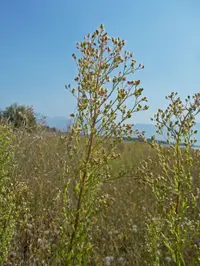
Field brome (Bromus arvensis) is an annual grass species commonly found in fields, roadsides, and disturbed soils across much of North America and Europe. It often appears in crop systems and naturalized grasslands.

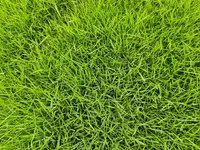
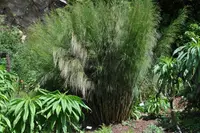
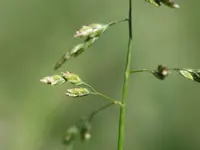
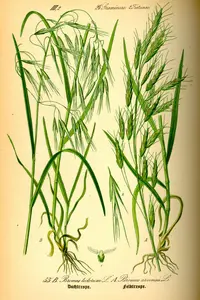
Plants form loose to tufted clumps with slender, upright stems and nodding, many-flowered seed heads that give a soft, airy look. The leaves are narrow, flat, and typically bright to medium green.

This species grows quickly, sets seed easily, and tolerates a wide range of soil types, which makes it adaptable but sometimes weedy. It usually prefers full sun and moderately moist, well-drained soils, so care for field brome focuses mostly on managing spread rather than supporting growth.

Main Plant Requirements

Care Difficulty

Easy Care

Light Preference

Full Sun

Water Requirements

Moderate Water

Temperature Preference

Cold Hardy

Hardiness Zone

3–9

Soil Texture

Sandy, Loamy, Silty

Soil pH

Acidic (5.5–6.5), Slightly acidic (6.5–7.0)

Soil Drainage

Well-drained

Fertilization

Minimal (feed rarely)

Get Personalized Care Plan

Scan your plant to receive care tips personalized for your specific plant

Available on iOS and Android

How to Care for the field brome

This annual grass prefers open, bright positions to produce dense, healthy growth.

  • Provide full sun for 6–8 hours per day; light afternoon shade is helpful in hotter regions to reduce leaf scorch.
  • Field brome tolerates partial shade (3–4 hours direct sun) but may grow taller and lodge more easily with reduced light.
  • Avoid dense shade, which leads to weak, spindly stems and poor seed set; adjust sowing location seasonally to avoid heavy summer shade from trees or buildings.

This species prefers moist but not saturated soil, with moisture levels adjusted to rainfall and soil type.

  • In well-drained field soil, allow the top 3–5 cm to dry slightly between rains or irrigations, then water enough to moisten the root zone to 10–15 cm depth.
  • Reduce irrigation in cool, wet seasons; increase only during prolonged dry spells when foliage begins to lose vigor or lower leaves start to roll slightly.
  • Avoid waterlogged, compacted ground, which encourages root rot and stunted growth in Bromus arvensis; improve drainage with tilth or raised rows if puddling persists longer than 24 hours.

This cool-season grass grows best in moderate temperatures and tolerates typical outdoor fluctuations.

  • Optimal growth occurs around 50–70°F (10–21°C), with strong tillering in cool spring or fall conditions.
  • Plants tolerate light frosts down to about 20–25°F (-7 to -4°C), but repeated hard freezes can damage young seedlings and delay growth.
  • Established stands endure short heat spells up to about 85–90°F (29–32°C), but prolonged heat and drought reduce vigor, so combine temperature management with timely irrigation.

Humidity is not a significant factor for this hardy grass in typical outdoor conditions.

This annual grass prefers moderately fertile, well-drained mineral soil that does not stay waterlogged.

  • Use a sandy or sandy-loam texture with some fine gravel to keep the root zone open and free-draining.
  • Aim for slightly acidic to neutral pH, roughly 6.0–7.5, which suits most Bromus arvensis stands.
  • Incorporate a modest amount of mature compost to improve structure without making the soil heavy or compacting.
  • Avoid dense clay, peat-heavy mixes, or low-lying sites where water collects and lingers after rain.

This species can be grown in containers, mainly for temporary displays, trials, or seed production.

  • Choose a deep, stable container to accommodate the fibrous root system and prevent the tall foliage from tipping in wind.
  • Use a coarse, mineral-rich mix and raise the pot slightly on feet or bricks so drainage holes never sit in pooled water.
  • Place containers where rain and irrigation can flush salts through the mix, as confined roots are more sensitive to buildup than in open ground.

This wild grass generally grows well in average soil and needs only light feeding to support healthy stands of field brome.

  • Use a balanced, slow-release fertilizer or thin layer of compost in early spring if soil is poor or heavily grazed.
  • Apply at low to moderate rates, aiming for about half the label strength to avoid overly lush, weak growth.
  • Feed once at the start of the main growing season; repeat only if plants show pale foliage or poor vigor.
  • Do not fertilize during winter dormancy, as growth is minimal and added nutrients are not fully used.

Bromus arvensis benefits from simple, seasonal cutting rather than detailed pruning.

  • Cut back dead or broken stems at ground level in late fall or very early spring using clean shears or a scythe.
  • Remove dense, lodged patches to open airflow and reduce fungal disease pressure in humid climates.
  • Mow or trim after seed set if self-seeding needs to be limited or stand height controlled.
  • Avoid frequent cutting during peak growth if seed production or habitat value is a priority.

This species is usually field grown, so care focuses on site transplanting rather than container repotting.

  • Transplant small clumps in early spring or early fall when temperatures are mild and soil is moist.
  • Choose plants with compact root balls; avoid specimens with roots circling tightly if grown briefly in plugs or pots.
  • Water thoroughly before lifting, then replant at the same depth and firm soil gently around the roots to reduce air pockets.
  • Irrigate consistently for the first 1–2 weeks after transplanting to limit root stress and support establishment.

Bromus arvensis is most often propagated by seed for pasture, restoration, or cover purposes.

  • Sow fresh seed in early spring or fall, when soil is cool to mildly warm and naturally moist.
  • Prepare a fine, weed-free seedbed, then broadcast seed and lightly rake or roll to ensure good soil contact.
  • Aim for shallow coverage, about 0.5–1 cm deep, as grass seeds need light and air to germinate well.
  • Keep the soil evenly moist, not waterlogged, until seedlings are established and show several true leaves.

This cool-season grass is cold hardy in most temperate climates and generally needs minimal winter care.

  • Established in-ground plants tolerate typical frost and snow without extra protection.
  • For erosion control plantings, a light mulch can help stabilize soil while allowing crowns to stay exposed.
  • Container-grown clumps in very cold regions can be moved to a sheltered, unheated area to prevent root freeze–thaw stress.

Care Tips

Early stand density

Aim for a moderately dense but not overcrowded stand by adjusting seeding rate or lightly thinning seedlings so plants have 10–15 cm between clumps, which improves airflow and reduces foliar disease pressure.

Targeted weed suppression

Use a sharp hoe or shallow cultivation in the top 2–3 cm of soil just after weed germination but before tillering, so field brome tillers are not damaged yet early annual weeds are effectively removed.

Strategic cutting timing

If managing as forage or to prevent self-seeding, schedule cutting or mowing at early to mid-boot stage before seed heads fully emerge, which maintains plant vigor while limiting unwanted reseeding.

Selective self-seeding control

In border or restoration plantings, leave only the healthiest, best-positioned plants to set seed and remove seed heads from weak or poorly placed clumps, gradually improving stand quality over several seasons when growing field brome.

Patch monitoring routine

Walk the stand at least once per month in the growing season to flag patches with lodging, disease, or heavy weed invasion, then address those specific areas with staking, spot treatment, or overseeding rather than treating the entire area.

Common Pests and Diseases

Leaf rust

This disease causes small orange to brown pustules on leaves that can merge into larger patches and reduce plant vigor. Symptoms include premature yellowing and drying of foliage, especially under humid conditions.

Solution

Remove and destroy heavily infected foliage or whole plants to reduce spore sources, and avoid overhead irrigation that keeps leaves wet for long periods. In pastures or plantings, reduce plant density and encourage airflow; in high-value stands, a registered grass rust fungicide can be applied following local guidelines for Bromus arvensis care instructions.

Powdery mildew

This disease appears as white, powdery patches on leaf surfaces that can spread and cause leaf distortion or reduced growth. Symptoms include dull, grayish foliage and reduced photosynthesis under shaded, crowded, or dry–humid fluctuating conditions.

Solution

Improve air circulation by thinning dense stands and avoid excessive shade where possible. Remove severely affected plants and, if needed, use a labeled fungicide for powdery mildew on grasses, applying in dry weather and following local regulations.

Aphids

These insects form soft-bodied clusters on stems and undersides of leaves, sucking plant sap and sometimes transmitting viruses. This pest can cause leaf curling, yellowing, and sticky honeydew that encourages sooty mold growth.

Solution

Wash colonies off with a firm stream of water on small plantings and encourage natural predators such as lady beetles by limiting broad-spectrum insecticides. For persistent outbreaks, apply an insecticidal soap or a selective systemic insecticide labeled for grasses, ensuring full coverage of leaf undersides.

Grasshoppers

These insects chew irregular holes and notches in leaves and can rapidly defoliate young plants when populations are high. This pest is more damaging during dry, hot weather when alternative forage is limited.

Solution

Reduce nearby tall weeds that serve as breeding and resting sites, and use physical barriers such as fine mesh on small, high-value plots. In large areas, targeted baits or insecticides labeled for rangeland or pasture grasses may be used, timed early in the season when nymphs are small and more sensitive.

Barley yellow dwarf virus

This disease is virus-based and leads to reddish, yellow, or purplish discoloration of leaves, stunting, and reduced tillering. Symptoms include patchy, uneven stands with poor regrowth, often following aphid activity.

Solution

Control aphid vectors early in the season using cultural practices and, if needed, selective insecticides to reduce virus spread. Remove severely affected plants where feasible, avoid stressing the grass with excessive cutting or grazing, and rotate with non-grass species to break the virus cycle in long-term plantings.

Interesting Facts

Once common in fields

This annual grass was historically widespread in European and western Asian arable fields and disturbed ground, often appearing as a typical weed in cereal crops before modern herbicide use reduced its frequency in many regions.

Adapts to tillage

It is well adapted to regularly plowed or tilled soils, with seeds that germinate readily in disturbed topsoil and plants that complete their life cycle quickly within a single growing season.

Distinctive dense panicle

The species forms a relatively compact, somewhat nodding panicle with short-awned spikelets, which helps distinguish it in the field from some other Bromus species that have more open, lax flower clusters.

FAQs about field brome

This grass self-seeds readily and can spread quickly in open soil, especially disturbed ground or bare patches. In managed areas, regular mowing before seed set and removing seed heads helps limit unwanted spread and volunteer seedlings.

Grow Healthy Plants with Botan Care

Keep your plants happy and healthy with plant identification, disease detection, and easy care guidance.

Botan plant care app — identify plants on mobile

Explore More Plants