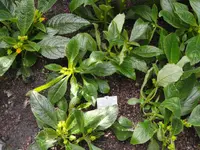
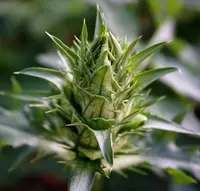
pinkfringe Care (Arthrostemma ciliatum)

pinkfringe

About pinkfringe

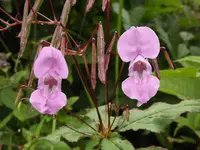
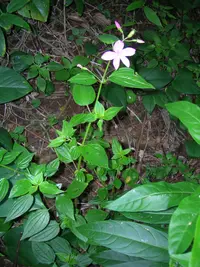
Pinkfringe, Arthrostemma ciliatum, is a fast-growing tropical perennial often grown as an ornamental for its vivid magenta flowers and softly bristled stems. It typically forms an open, scrambling mound and can lean or climb with support.

This species is native to Central and South America, where it grows in warm, humid, upland habitats. In cultivation it is usually treated as a container or seasonal plant in cooler climates.

Its quick growth and forgiving nature make it moderately easy to manage, though regular pruning is needed to keep it compact. Light, well-drained soil and consistent moisture help care for pinkfringe in home gardens or indoor spaces.

Main Plant Requirements

Care Difficulty

Moderate Care

Light Preference

Partial Shade

Water Requirements

Keep Soil Moist

Temperature Preference

Tropical / Frost Sensitive

Hardiness Zone

10–11

Soil Texture

Loamy, Organic-rich

Soil pH

Acidic (5.5–6.5), Slightly acidic (6.5–7.0)

Soil Drainage

Moist but well-drained

Fertilization

Light (every 4–6 weeks)

Get Personalized Care Plan

Scan your plant to receive care tips personalized for your specific plant

Available on iOS and Android

How to Care for the pinkfringe

This scrambling perennial thrives in bright, gentle light that mimics an open forest edge.

  • Provide 4–6 hours of morning sun with light afternoon shade; east or southeast exposure reduces leaf scorch on pinkfringe flowers and foliage.
  • Allow dappled or filtered light for the rest of the day; it tolerates partial shade but stems may stretch and flowering decreases in less than 3–4 hours of sun.
  • In summer, protect from harsh midday sun in hot climates; in cooler seasons, slightly increase sun exposure to maintain compact, floriferous growth.

This species prefers consistently moist, fast-draining soil without staying waterlogged.

  • Water when the top 2–4 cm of soil feel dry, aiming for evenly damp soil down to 8–10 cm, especially during active growth and flowering.
  • Use loose, organic-rich soil with good drainage; standing water or heavy clay increases root-rot risk, often seen as yellowing, limp lower leaves.
  • In cooler months, extend the interval between waterings as growth slows; dull, drooping foliage and dry, crumbly soil signal underwatering in Arthrostemma ciliatum.

This plant favors warm, frost-free conditions similar to a mild tropical or subtropical climate.

  • Support active growth at 65–80°F (18–27°C); flowering and stem elongation are most reliable within this range, especially with steady moisture.
  • Protect from cold below 45°F (7°C); brief dips to 40°F (4°C) may be survived, but frost can blacken foliage and kill young or tender stems.
  • In hot spells above 86–90°F (30–32°C), provide extra shade and soil moisture, as prolonged heat with dry soil can cause wilting, leaf scorch, and reduced flowering.

This species prefers moderately humid air and reacts quickly to very dry conditions.

  • Aim for 50–70% humidity, especially indoors or in heated rooms where air dries out.
  • Leaves may curl, brown at the edges, or feel papery when humidity is too low for pinkfringe.
  • Increase humidity by grouping plants, placing trays with water and pebbles nearby, or using a small room humidifier.

Provide loose, well-draining, organic-rich soil to support fast growth and prevent root stress.

  • Use a mix of 50–60% peat or coco coir with compost, plus 30–40% perlite or pumice for drainage and aeration.
  • Aim for slightly acidic to neutral pH, around 6.0–7.0, which suits Arthrostemma ciliatum well.
  • Ensure the mix feels springy and crumbly, not sticky or compacted, to keep oxygen around the roots.
  • Avoid heavy clay, waterlogged spots, or pure sand, which either suffocate roots or dry out too rapidly.

This species adapts well to container growing when the pot and support are chosen carefully.

  • Choose a pot wide enough to allow spreading stems and roots, not just a narrow deep container.
  • Use a stable, heavier pot material outdoors so the climbing growth does not tip the container in wind.
  • Ensure drainage holes are large and unobstructed so sudden heavy rains can run through quickly without pooling.

This fast-growing perennial benefits from modest, consistent feeding during the warm growing season.

  • Use a balanced liquid fertilizer (such as 10-10-10) at 1/4–1/2 strength every 3–4 weeks in spring and summer for pinkfringe.
  • Alternatively, apply a light top-dressing of fine compost once in mid-spring.
  • Choose a slow-release balanced fertilizer for container plants, applied once each spring.
  • Stop feeding in fall and winter to avoid soft, weak growth.

Pruning supports bushier growth and sustained flowering in Arthrostemma ciliatum.

  • Best time is late winter to early spring, before vigorous new growth starts.
  • Use clean, sharp scissors or hand pruners to remove dead, damaged, or diseased stems.
  • Thin out crowded, weak shoots to improve air flow and maintain a compact, tidy form.
  • After flowering flushes, lightly trim back leggy stems to encourage branching and more blooms.

This species responds well to timely transplanting or repotting when growth slows or roots become crowded.

  • Check containers for roots circling the pot, escaping drainage holes, or potting mix drying very fast, all signs it needs a larger pot.
  • Plan repotting or outdoor transplanting for spring, once frost risk has passed and new growth has begun.
  • Move up only 1 pot size, keep the root ball slightly intact, and gently loosen outer roots to reduce shock.
  • Water thoroughly after planting, provide light shade for 3–5 days, and maintain even moisture until normal growth resumes.

New plants are commonly produced from both seeds and softwood cuttings.

  • Sow fresh seed in spring on the surface of a moist, well-draining mix at 68–75°F, using bright, indirect light.
  • Do not bury fine seed deeply; press lightly into the surface and keep humidity high with a clear cover.
  • For cuttings, take 8–10 cm non-flowering tips in late spring or early summer and remove lower leaves.
  • Insert cuttings into a light, sterile medium, maintain high humidity, and keep the base warm for faster rooting.

Cold sensitivity means plants in cooler climates need thoughtful winter care.

  • Treat it as tender where winter temperatures drop below 32°F and expect top growth to be damaged by frost.
  • In mild climates, apply a 5–8 cm mulch layer around the base to insulate roots, keeping mulch off stems.
  • Container-grown plants in cold regions should be moved indoors or into a bright, frost-free greenhouse before freezes.

Care Tips

Provide trellis support

Install a slim trellis, mesh, or netting at planting time so the stems can climb and stay off wet soil, which reduces breakage and foliar disease on this scrambling vine.

Pinch for branching

Lightly pinch back soft shoot tips early in the season to encourage side shoots and denser flowering growth rather than long, weak, sprawling stems.

Mulch to protect roots

Apply a 3–5 cm layer of fine bark or leaf mulch around, but not touching, the stems to keep the shallow roots cool, reduce moisture swings, and limit weed competition.

Seasonal rejuvenation cut

If plants become leggy or tangled, cut back the oldest, woodiest stems by about one-third right after the main flowering flush to stimulate fresh, vigorous regrowth.

Monitor for spider mites

Inspect the undersides of leaves weekly in warm, dry weather and rinse foliage with a firm, lukewarm water spray at the first sign of stippling or webbing, which is an effective non-chemical first step when caring for pinkfringe.

Common Pests and Diseases

Spider mites

This pest often appears on pinkfringe grown in warm, dry indoor or greenhouse conditions, causing stippled, dull leaves and fine webbing on stems and leaf undersides.

Solution

Rinse foliage thoroughly with a strong but gentle stream of water, then increase humidity and airflow; if needed, apply insecticidal soap or a neem oil spray to leaf undersides every 5–7 days until no new damage appears.

Mealybugs

These insects hide in leaf nodes and along the soft, vining stems, sucking sap and leaving behind cottony white clusters and sticky honeydew.

Solution

Remove visible clusters with a cotton swab dipped in 70% isopropyl alcohol, then wash the plant and treat with insecticidal soap on all stems and leaf joints, repeating weekly until no new insects appear and isolated plants can be safely returned to their usual location.

Botrytis blight

This disease causes water-soaked spots on the thin leaves and flowers of pinkfringe, which can quickly turn brown and develop gray fuzzy mold in humid, crowded conditions.

Solution

Remove and discard all affected leaves and flowers, then improve air circulation, avoid overhead watering, and allow the top of the soil to dry slightly; in persistent cases, use a fungicide labeled for Botrytis on ornamental plants and reduce humidity peaks around the foliage.

Leaf spot

This disease shows as small purple, brown, or tan lesions on the soft foliage, often with yellow halos, and can spread quickly on plants kept constantly wet or shaded.

Solution

Prune and discard affected leaves, water at the soil level in the morning so foliage dries quickly, space plants to improve airflow, and if spotting continues, use a copper-based or other labeled ornamental leaf-spot fungicide according to label directions.

Interesting Facts

Velvet-hairy stems

This species is easily recognized by its soft, velvet-like hairs covering stems and leaves, a feature that helps reduce water loss and may discourage some herbivores from feeding on it.

Explosive seed dispersal

The small capsule fruits open via a pore-like crown, allowing rain, wind, or disturbance to shake out the numerous tiny seeds, aiding rapid spread in disturbed tropical and subtropical habitats.

Melastome family specialist

As a member of the Melastomataceae, it shows the family’s distinctive leaf venation pattern, with several strong parallel veins originating from the leaf base rather than a single midrib.

Botan icon

Did you know?

In parts of its introduced range, this ornamental pink-flowered vine has escaped cultivation and behaves as an invasive species, forming dense tangles that can smother native vegetation and alter understory light conditions.

FAQs about pinkfringe

Lack of flowers often comes from insufficient light, nutrient-poor soil, or irregular pruning that removes developing buds. Provide bright conditions, light, balanced feeding, and prune lightly after flowering to maintain young, vigorous growth that supports bud formation.

Grow Healthy Plants with Botan Care

Keep your plants happy and healthy with plant identification, disease detection, and easy care guidance.

Botan plant care app — identify plants on mobile

Explore More Plants