Philodendron Care (Philodendron 'Ring of Fire')

About Philodendron

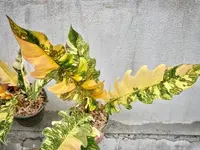
Philodendron 'Ring of Fire' is a tropical aroid grown mainly as a decorative foliage plant indoors. It forms a clumping, self-heading growth habit rather than trailing. Leaves are deeply toothed and change color with age, showing mixes of green, cream, orange, and red.

This cultivar likely originates from hybrid parentage within South American Philodendron species, selected for its unusual leaf shape and variegation. Growth is moderate and generally steady if basic needs are met.

Light, warmth, and stable moisture are the main factors that decide how easy it is to keep this plant thriving. Understanding how to care for Philodendron with well-draining soil and consistent conditions helps prevent stress and leaf damage.

Main Plant Requirements

Care Difficulty

Moderate Care

Light Preference

Bright Indirect Light

Water Requirements

Moderate Water

Temperature Preference

Tropical / Frost Sensitive

Hardiness Zone

10–11

Soil Texture

Loamy, Peaty, Organic-rich

Soil pH

Acidic (5.5–6.5), Slightly acidic (6.5–7.0)

Soil Drainage

Moist but well-drained

Fertilization

Light (every 4–6 weeks)

Get Personalized Care Plan

Scan your plant to receive care tips personalized for your specific plant

Available on iOS and Android

How to Care for the Philodendron

Provide bright, indirect light to maintain strong variegation and compact growth.

  • Aim for 6–8 hours of bright, filtered light daily, such as near an east or bright north window or under light tree canopy outdoors.
  • Tolerates partial shade (3–4 hours bright ambient light), but growth slows and new leaves may lose color if conditions are too dim.
  • Avoid harsh midday or afternoon sun, which can cause brown, crispy patches; increase light gradually in winter or cloudy seasons to compensate for shorter days.

Use a soak-and-dry approach that keeps roots moist but never waterlogged.

  • Water when the top 2–4 cm of soil feels dry, allowing water to flow freely through drainage holes or the planting area and then emptying any standing water.
  • In spring and summer, you may water more often as growth is faster, while in fall and winter intervals usually lengthen as evaporation and growth slow.
  • Watch for yellowing, mushy leaves and a sour soil smell as signs of overwatering, and drooping, thin leaves and very light, pulling soil as signs of underwatering in Philodendron 'Ring of Fire'.

Maintain warm, stable temperatures to support steady growth and protect sensitive foliage.

  • Ideal growth occurs around 70–80°F (21–27°C), with acceptable ranges of 65–85°F (18–29°C) if changes are gradual rather than sudden.
  • Avoid temperatures below 55°F (13°C); chilling injury begins near this point, and frost quickly kills leaves and can damage stems.
  • In hot weather above 85–90°F (29–32°C), increase shade and airflow, and avoid placing the plant near heat sources, cold drafts, or air conditioners that cause rapid swings.

This plant benefits from elevated humidity but adapts to average indoor conditions if other care factors are stable.

  • Aim for 50–70% humidity to support steady growth and maintain crisp variegation on new leaves.
  • It tolerates short periods around 35–40%, but prolonged dry air can slow growth and increase leaf edge browning.
  • Low humidity stress shows as curling, brown tips, and slowed unfurling; group plants, use a tray with damp pebbles, or run a small humidifier nearby.

Philodendron 'Ring of Fire' prefers an airy, organic-rich mix that drains quickly yet holds light, even moisture.

  • Use a base of peat or coco coir with chunky bark, perlite, and some compost to create a loose, fibrous structure.
  • Aim for slightly acidic to neutral pH around 5.5–7.0, which supports nutrient availability and healthy root activity.
  • Ensure the mix feels springy and never compact; large particles like bark and perlite improve aeration and prevent waterlogging.
  • Avoid heavy garden soil, fine sand-heavy mixes, or pots that stay wet for more than 2–3 days after watering, which can trigger root rot.

This species is very suitable for container growing due to its manageable root system and upright, sometimes sprawling form.

  • Choose a pot with a wider footprint to counterbalance the plant’s lateral growth and reduce the risk of tipping as stems elongate.
  • Use a container material that matches your watering style; terracotta dries faster, while plastic retains moisture longer for slower evaporating homes.
  • Leave a clear gap between soil surface and pot rim so top-watering does not overflow and oxygen-rich water can flush the entire root zone efficiently.

This hybrid benefits from moderate, consistent feeding during active growth to support variegated foliage.

  • Use a balanced liquid fertilizer (around 10-10-10 or 20-20-20) diluted to 1/4–1/2 strength for Philodendron during spring–summer.
  • Apply every 4–6 weeks when actively growing; skip or greatly reduce feeding in winter.
  • Alternatively, mix a small amount of slow-release pellets into the top layer of soil at the start of the growing season.
  • Avoid overfertilizing; flush the pot with plain water every 2–3 months to limit salt build-up.

Targeted pruning keeps Philodendron 'Ring of Fire' compact and encourages strong new shoots.

  • Best time for pruning is late spring to early summer, when the plant is actively growing.
  • Remove yellow, dead, damaged, or severely scarred leaves at the base of their petioles.
  • Thin out crowded stems to improve light penetration and maintain the plant’s overall shape.
  • Use clean, sharp scissors or pruning shears, disinfected before and after use to reduce disease spread.

Container-grown plants appreciate periodic repotting to maintain root health and growth.

  • Check for roots circling the pot, growing through drainage holes, or unexplained slow growth as signs to repot.
  • Plan to move into a pot 2–5 cm wider every 2–3 years, ideally in spring or early summer.
  • Gently loosen circling roots, trim any dead or mushy sections, and replant in a chunky, well-draining aroid mix.
  • Water thoroughly after repotting, then keep slightly on the drier side for 7–10 days to reduce root stress.

This cultivar is typically propagated by stem cuttings rather than seed.

  • Take semi-mature stem cuttings with at least 1 node and 1–2 leaves in late spring or early summer.
  • Allow cut surfaces to dry for 30–60 minutes to reduce rot risk, then place in moist, airy substrate or water.
  • Maintain high humidity (60–80%), warm temperatures around 70–80°F, and bright, indirect light for rooting.
  • Transplant rooted cuttings into a well-draining mix once new growth appears and roots reach 3–5 cm.

This tropical plant is not frost hardy and needs indoor conditions in cold climates.

  • Keep temperatures above 60°F; brief drops near 55°F can slow growth and stress foliage.
  • Move outdoor containers indoors before the first frost, placing them in bright, indirect light.
  • Avoid cold drafts, heaters, and sudden temperature swings around the plant.
  • Reduce watering in winter, allowing the top layer of soil to dry more between waterings to prevent root rot.

Care Tips

Support Upright Growth

Install a sturdy moss pole or rough wooden stake and loosely tie the stems as they elongate, which keeps the plant upright and encourages stronger, larger leaves with better variegation display.

Rotate For Even Variegation

Turn the pot 1/4 turn every 2–3 weeks so all sides receive similar light, reducing lopsided growth and helping maintain more even coloration across the foliage.

Clean And Inspect Leaves

Wipe both sides of the leaves monthly with a damp, soft cloth to remove dust, then check leaf undersides and petiole joints for early signs of scale, spider mites, or thrips.

Protect From Mechanical Damage

Position the plant away from high-traffic areas and door swings, and use a heavier pot or decorative cachepot to keep the tall, top-heavy specimen stable and prevent stem breakage.

Adjust Fertilizer Seasonally

Reduce fertilizer strength by half and increase the interval between feedings during low-light winter months to match slower growth, then resume the regular schedule when new leaves begin to appear in spring, which is an important part of caring for Philodendron.

Everything About Philodendron

Common Pests and Diseases

Spider mites

This pest thrives on philodendrons in warm, dry indoor air, causing fine stippling, dull leaves, and delicate webbing along leaf edges and petioles. Symptoms include slowed growth and leaves that look dusty or faded, especially on variegated sections.

Solution

Rinse foliage thoroughly with lukewarm water, including leaf undersides, then increase humidity and improve air circulation. For persistent infestations, wipe leaves with a cloth dipped in insecticidal soap or a diluted neem oil solution every 5–7 days until no new damage appears, isolating the plant from others during treatment.

Thrips

These insects feed by scraping and sucking sap, which can distort new leaves and wash out the variegation, leaving silvery or bronze streaks and black specks of frass. This pest often hides along leaf midribs, in leaf axils, and around new growth where damage is most visible.

Solution

Prune and discard heavily damaged leaves and rinse the plant under a gentle shower to remove adults and larvae. Follow with regular applications of insecticidal soap or neem oil on all leaf surfaces and stems every 5–7 days, and use yellow or blue sticky traps nearby to help monitor and reduce adult populations.

Mealybugs

These insects form white, cottony clusters in leaf axils, along petioles, and near aerial roots, where they suck sap and cause yellowing, curling, and sticky honeydew. This pest can weaken the slow-growing plant and encourage sooty mold on affected surfaces.

Solution

Dab visible insects with cotton swabs dipped in isopropyl alcohol, then rinse the plant to remove residues and honeydew. Repeat inspections weekly, treating new clusters promptly, and if populations remain, apply insecticidal soap or neem oil thoroughly to crevices, leaf undersides, and around the pot rim.

Bacterial leaf spot

This disease produces water-soaked, translucent patches that turn brown with yellow halos, often starting where water sits on the leaves. Symptoms include irregular spots that may spread along veins, eventually causing leaf tissue to collapse and die.

Solution

Remove and discard affected leaves, sterilizing scissors between cuts, and avoid wetting the foliage during watering. Improve airflow, reduce crowding, and keep leaves dry; in severe or recurring cases, discard heavily affected plants and start fresh from healthy, clean propagation material to prevent spread to other philodendrons.

Erwinia stem and petiole rot

This disease causes sudden, soft, foul-smelling rot at the petiole base or along stems, often following overwatering and warm, stagnant conditions. Symptoms include collapsing leaves, mushy tissues, and rapid spread through the crown of the plant.

Solution

Isolate the plant immediately, cut away all affected soft tissue with sterilized tools, and allow remaining healthy sections to dry slightly before replanting in fresh, well-draining mix. Discard any severely rotted material and the old potting medium, avoid water sitting in the crown, and maintain moderate moisture rather than keeping the soil constantly wet to reduce recurrence.

Interesting Facts

Chimeric leaf pattern

Its variegation is believed to come from chimerism, where genetically different tissues grow together in one leaf, producing irregular streaks and patches of cream, pink, orange, and green on the same plant.

Highly variable coloration

Individual plants and even different leaves on the same plant can show very different color balances, with some growth flushes appearing mostly orange and cream while others are predominantly green with fine speckling.

Hybrid origin

This cultivar is considered a complex Philodendron hybrid rather than a naturally occurring species, selected and maintained in cultivation for its unusually jagged leaf shape and multicolored variegation rather than any wild habitat traits.

FAQs about Philodendron

This cultivar performs best as a houseplant or in sheltered patios in warm climates. It dislikes cold, strong wind, and harsh sun. Controlled indoor conditions usually give more stable variegation and overall better results for growing Philodendron.

Grow Healthy Plants with Botan Care

Keep your plants happy and healthy with plant identification, disease detection, and easy care guidance.

Botan plant care app — identify plants on mobile

Explore More Plants