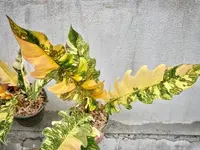
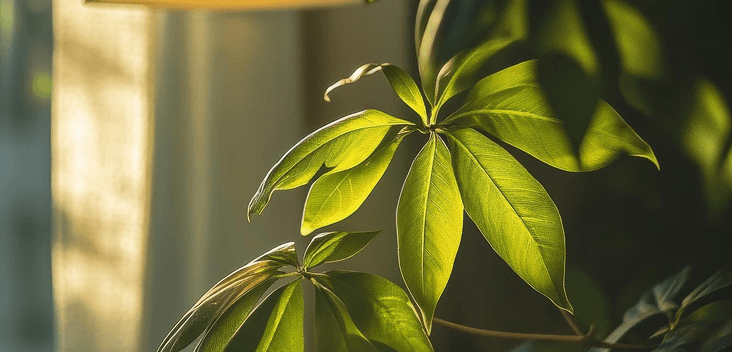


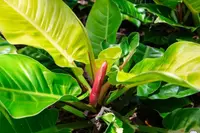
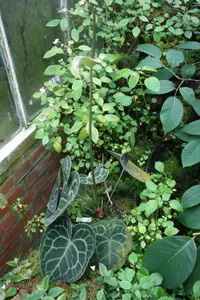
Philodendron (Philodendron 'Ring of Fire') Light Needs

Philodendron grows best in bright, indirect light with only gentle morning sun or filtered exposure.

Light Preference

Bright Indirect Light

Philodendron 'Ring of Fire' Light Requirements

As a cultivated aroid, this plant is best understood through the shaded forest-edge conditions behind its growth habit. Its leaves are adapted to bright light that is broken by overhead cover, not long periods of open sun.

In homes, that translates to a position near strong ambient light, with brief gentle sun only if filtered or early in the day. Preferred light is bright indirect light.

  • Ideal exposure:

    Philodendron 'Ring of Fire' needs about 6–8 hours of bright indirect or filtered light daily, including up to 1–2 hours of gentle direct morning sun.

  • Direct sun:

    Brief early sun is usually tolerated, but prolonged direct sun can mark the thinner and paler leaf sections.

  • Lower light:

    Shade is tolerated, though growth may slow and variegation can become less distinct.

  • Afternoon sun:

    Hot west or south afternoon rays are risky unless softened by distance or a sheer curtain.

Indoors, place this plant where it receives bright daylight without prolonged direct sun on the leaves.

NConditional
North-facing window:

A north-facing window can work only if it is bright, unobstructed, and the plant sits close to the glass.

EBest
East-facing window:

An east-facing window is often best because it gives bright light with gentle morning sun.

SSuitable
South-facing window:

A south-facing window is suitable if the plant sits 3–6 ft back or the direct rays are filtered.

WConditional
West-facing window:

A west-facing window is conditional because strong afternoon sun should be filtered or avoided.

Adjust placement if leaves show scorch, leaning, or weaker color after a few weeks.

Excess light usually appears on the most exposed leaves first.

Scorched patches:

Dry tan or pale brown marks may form where direct sun hits the leaf surface.

Bleached variegation:

Cream and orange areas can look washed out after harsh afternoon exposure.

Curling from heat:

Leaves may curl or angle away from the window during the brightest part of the day.

Crisp new growth:

Tender unfolding leaves can mark easily if Philodendron 'Ring of Fire' is moved into sun too quickly.

Move the plant out of direct afternoon sun and keep it in bright filtered light. If damage appeared after a recent move, step the plant back and reintroduce brighter light gradually.

Low light often shows through growth pattern changes before severe leaf symptoms appear.

  • Stretched stems:

    Longer gaps between leaves can develop when light is too weak for compact growth.

  • Leaning growth:

    Stems and petioles may angle strongly toward the nearest brighter source.

  • Weaker variegation:

    Philodendron 'Ring of Fire' may produce greener, less colorful leaves in sustained low light.

  • Smaller leaves:

    New leaves can emerge smaller when the plant cannot gather enough usable light.

Move it gradually toward brighter indirect light, avoiding sudden direct sun. Recheck new growth after several weeks, because older leaves may not change much.

If ideal light is not available, choose the brightest area that avoids hot direct rays, and keep the plant slightly back from the glass.

Rotate the pot a quarter turn every 1–2 weeks so new growth receives light evenly from all sides.

Avoid a dim corner far from daylight because it usually weakens color and leads to stretched growth.

Get Personalized Care Plan

Scan your plant to receive care tips personalized for your specific plant

FAQ

The best light is bright, indirect light for most of the day. Philodendron light requirements are met by strong ambient light with limited gentle morning sun.

Everything About Philodendron

More Plant Light Guides

Get the Botan App

Discover how to care for your plants with Botan.

Botan app identifying a plant with a phone camera
How Often to Water Fruit Trees

7 min read · 11 Aug 2026

How Often to Water Fruit Trees

Irrigation needs change as roots establish and weather shifts. This guide gives practical starting intervals, explains how soil and tree type change them, and shows how to recognize both excess moisture and drought stress.

Plant Care
How Often to Water Fruit Trees
Best Fertilizer for Vegetable Gardens – What to Use for Each Plant

11 min read · 20 Jul 2026

Best Fertilizer for Vegetable Gardens – What to Use for Each Plant

Here, you’ll find the right fertilizer formula for vegetables in your garden. Learn how to adjust feeding correctly throughout the growing cycle, spot nutrient deficiencies by their symptoms, and keep your plants healthy and prolific.

Plant Recommendations
Best Fertilizer for Vegetable Gardens – What to Use for Each Plant
Banana Peel Water for Plants: 5 Things to Know Before Trying It

5 min read · 9 Jul 2026

Banana Peel Water for Plants: 5 Things to Know Before Trying It

Banana water can provide potassium and some nutrients that may support plant growth, but it is not a universal fix. Use it carefully and only when the plant actually shows signs of nutrient deficiency rather than as a routine treatment.

Plant Care
Banana Peel Water for Plants: 5 Things to Know Before Trying It