






5 min read · 11 Sept 2026
Top 5 Best Indoor Plants for Air Quality
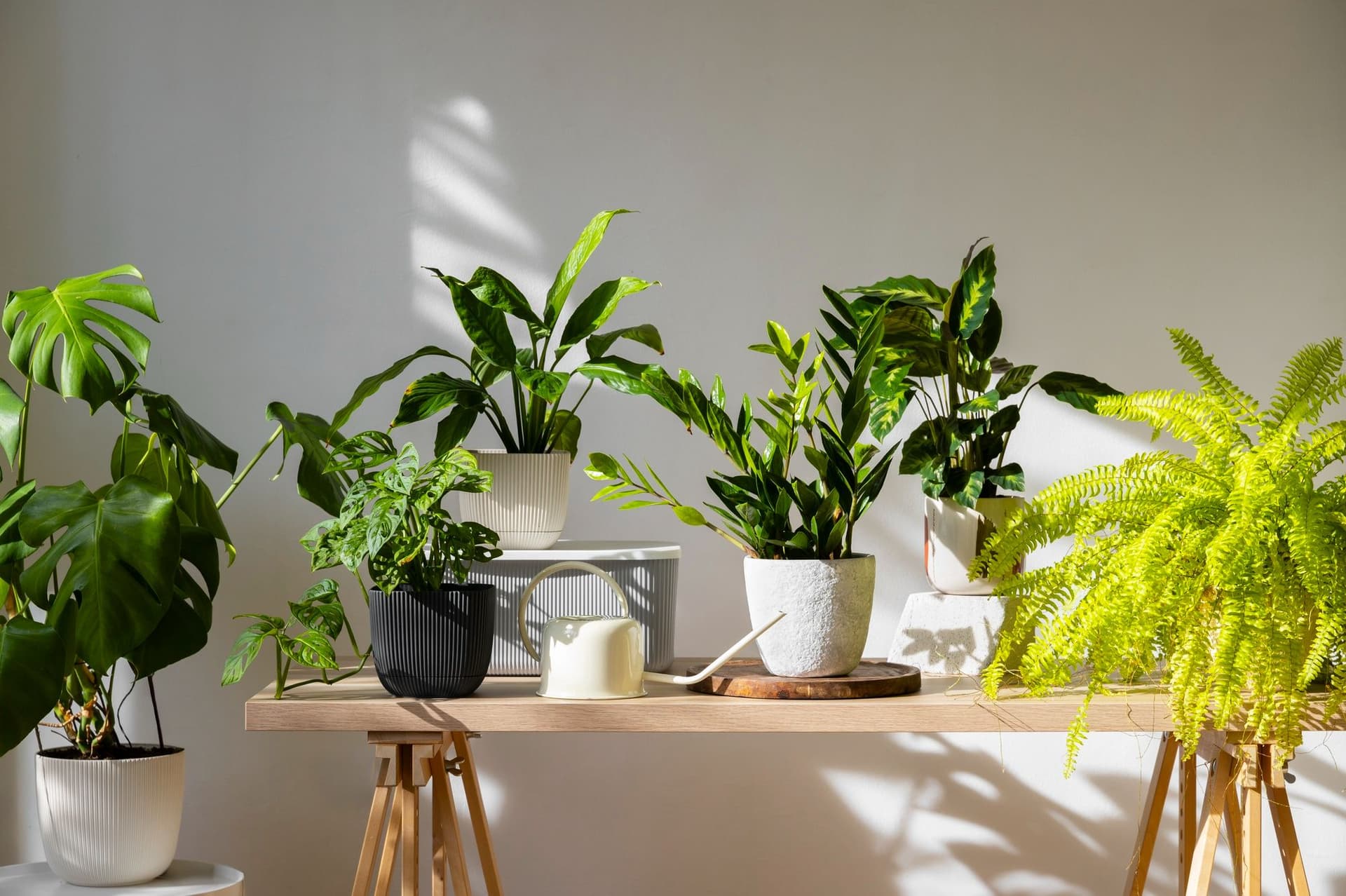
Indoor plants can make a room feel fresher thanks to their air-purifying qualities. Here are 5 of the most suitable choices for your routine and living space.
Plant Recommendations


calathea musaica grows best in bright, indirect light with only gentle morning sun if any.

Light Preference
Bright Indirect Light

In its tropical forest habitat, Goeppertia kegeljanii grows below taller vegetation where light is bright but broken by leaves overhead. It may receive brief, soft sun at the edges of openings, but not long exposure to open midday sun. This explains why indoor plants hold their patterned foliage best near a bright window with filtered rays. Its preferred light is bright indirect or filtered light.
Goeppertia kegeljanii needs about 6–8 hours of bright, indirect or filtered light daily, including up to 1–2 hours of gentle direct morning sun.
Brief early sun is usually tolerated, but full sun and hot afternoon rays are risky for the thin leaves.
Shade is tolerated, but dim rooms often slow growth and reduce the crisp leaf pattern.
Morning light is safer than afternoon light because it is cooler and less likely to scorch foliage.
Indoors, aim for a bright position with filtered light and no harsh afternoon sun on the leaves.
Use a north-facing window only if it is large, unobstructed, and bright for most of the day.
Place it within 2–4 ft of an east-facing window where morning sun is gentle and brief.
Keep it several feet back from a south-facing window or use a sheer curtain to soften direct sun.
Use a west-facing window only with filtering or distance from the glass, since afternoon sun is usually too intense.
Adjust placement if the leaf pattern fades, the plant leans strongly, or sun marks appear on the window-facing side.
Strong direct light often shows on exposed leaves first, especially near glass.
Pale tan or whitish areas may appear on leaves facing the window after direct sun.
Dry, papery marks can form where hot afternoon rays hit the thin foliage.
The fine mosaic pattern may look duller when light is intense for several hours.
Leaves may curl or angle away from strong light during the brightest part of the day.
Move Goeppertia kegeljanii back from the glass or add a sheer curtain. Keep it out of unfiltered afternoon sun while new growth develops.
Low light usually develops gradually. The plant may stay alive, but growth and leaf quality often decline.
Stems and leaves may angle toward the nearest window instead of staying evenly arranged.
New foliage can emerge smaller than older leaves during spring and summer.
Leaves may sit farther apart, giving the plant a looser shape.
The mosaic markings can look less crisp when light is too weak.
Little new growth in the active season may suggest the spot is too dim.
Move Goeppertia kegeljanii to brighter indirect light, changing the location in stages. Avoid placing it straight into direct afternoon sun.
When ideal light is limited, choose the brightest room that still avoids hot direct rays, and place the pot where the leaf pattern stays clear.
Rotate the pot a quarter turn every 1–2 weeks so new growth does not lean toward one side.
A dim corner is a poor long-term setup because it reduces growth and weakens the patterned finish.
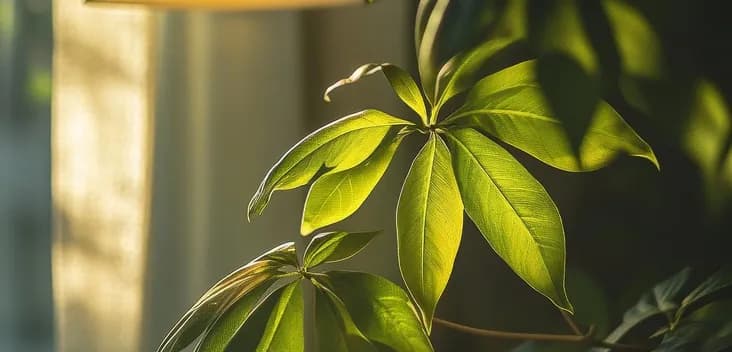
Plant Light Guide
Find the ideal light conditions for your plant and support healthy growth
Scan your plant to receive care tips personalized for your specific plant
The best light for calathea musaica is bright, indirect or filtered light for about 6–8 hours daily. A little gentle morning sun is usually tolerated.
Discover how to care for your plants with Botan.

5 min read · 11 Sept 2026
Indoor plants can make a room feel fresher thanks to their air-purifying qualities. Here are 5 of the most suitable choices for your routine and living space.
8 min read · 9 Oct 2026
Want a garden that looks eerie in October? Here are 15 Halloween plants and fungi, from carnivorous traps to bleeding mushrooms. For each species, we cover its appearance, care requirements, and potential uses in your landscape.
8 min read · 31 Aug 2026
Good plant grouping can mean the difference between a well-planned garden and one that looks sloppy. This guide explores layers, spacing, cluster shapes, and the plants that thrive when you group them.