Top 5 Best Indoor Plants for Air Quality
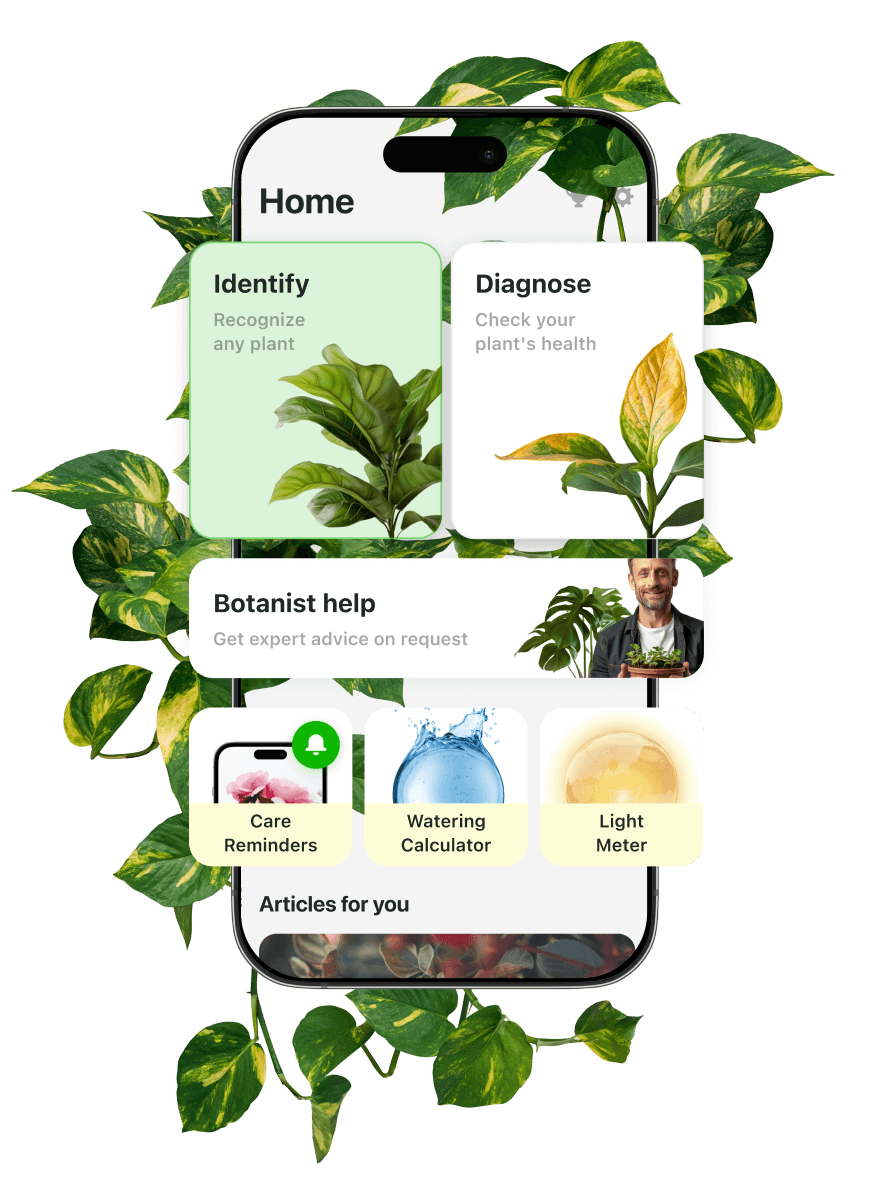
Indoor plants can make a room feel fresher thanks to their air-purifying qualities. Here are 5 of the most suitable choices for your routine and living space.


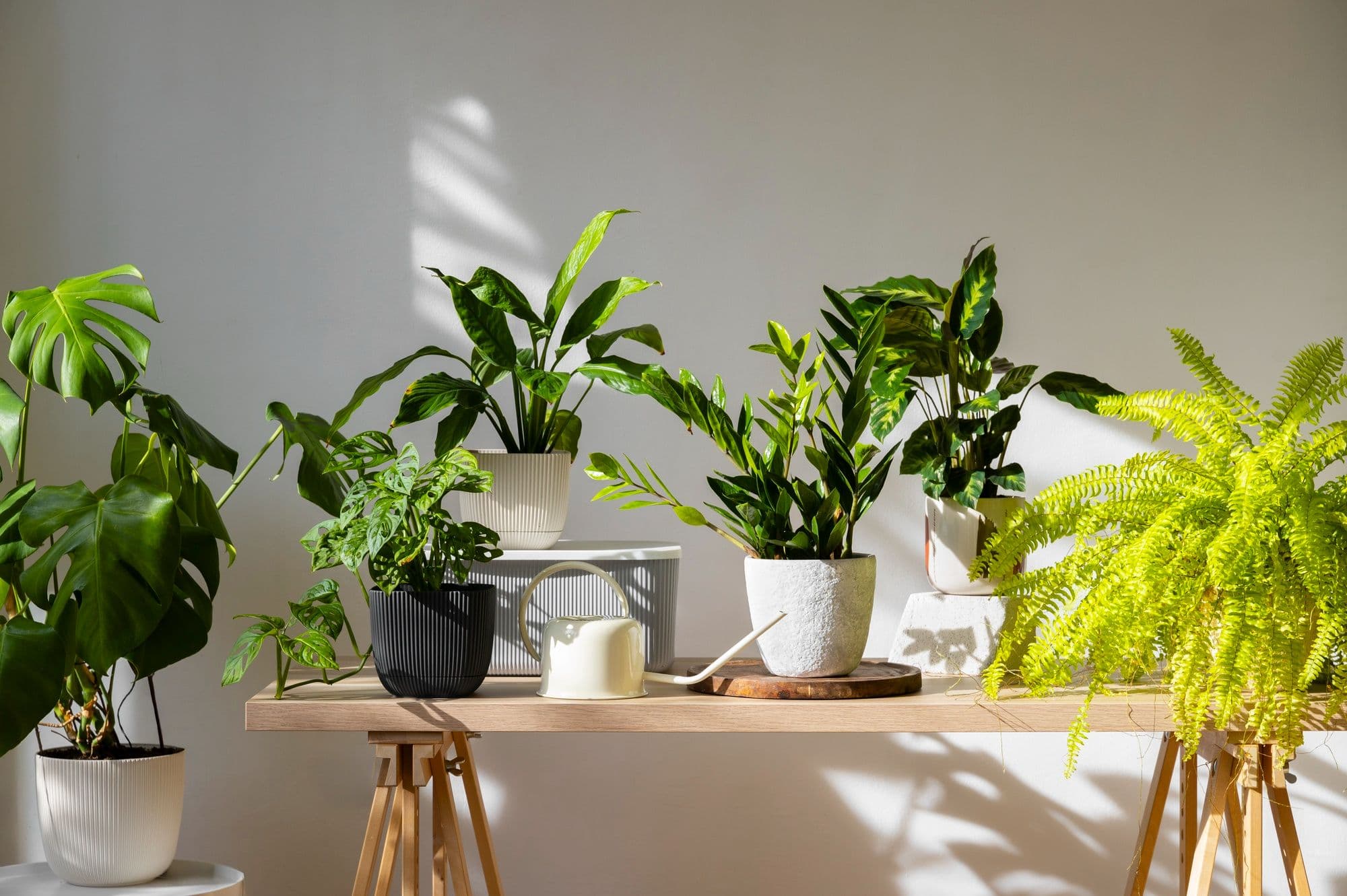
The best indoor plants for air quality are the ones that suit the light and care you can provide. Houseplants like Boston fern, rose-painted calathea, or peace lily can catch dust on their leaves, but they won’t work like an electric air purifier. At the same time, a healthy plant can make a room feel more comfortable and bring a little greenery indoors.
Best Indoor Plants for Air Quality: Quick Comparison
The five air-purifying houseplants we mention suit different rooms. Some have broad leaves that are easy to wipe. Meanwhile, others cope better with lower light.
The table compares each plant's main environmental benefit and light needs. It also covers care level and placement. Pet safety appears in the final column since a good indoor choice shouldn't create a new worry.
Although these plants are often marketed as the best indoor plants for clean air, their real effect is modest. Therefore, choose the plant you can keep healthy first.
Plant | Potential Air-Quality Benefit | Light Requirements | Care Level | Best Placement | Pet Safety |
|---|---|---|---|---|---|
Dust capture and lab VOC uptake | Medium to bright indirect | Easy | Bedroom or office | Non-toxic to cats and dogs | |
Boston fern | Dust capture and added moisture | Bright indirect | Moderate | Bright bathroom or kitchen | Non-toxic to cats and dogs |
Dust capture and transpiration | Bright indirect | Moderate | Warm bathroom or bedroom | Non-toxic to cats and dogs | |
Durable foliage and nighttime gas exchange | Low to bright indirect | Easy | Bedroom or hallway | Toxic if chewed | |
Broad leaf surface and lab VOC uptake | Low to medium indirect | Easy to moderate | Living room or bright bathroom | Toxic if chewed |
Spider Plant
Spider plant is forgiving. Its arching leaves collect settled dust. Meanwhile, it tolerates an occasional missed watering.
- Name: Spider plant (Chlorophytum comosum)
- Growth Habit: Clumping and cascading
- Leaf Type: Narrow and arching
- Growth Rate: Moderate to fast
- Humidity Preference: Average
- Maintenance Tip: Protect it from direct sun
- Main Air-Quality Advantage: Leaf surface for dust
- Why It Works Indoors: Adapts to varied conditions
- Potential Drawback: Brown leaf tips

Boston Fern
Among air-purifying plants for bathroom use, Boston fern suits bright spaces. It isn't set-and-forget, though, since dry air may quickly cause crisp leaflets.
- Name: Boston fern (Nephrolepis exaltata)
- Growth Habit: Arching and fountain-like
- Leaf Type: Divided and feathery
- Growth Rate: Moderate to fast
- Humidity Preference: High
- Maintenance Tip: Keep the mix evenly moist
- Main Air-Quality Advantage: Fine dust-catching fronds
- Why It Works Indoors: Enjoys humid rooms
- Potential Drawback: Dries out quickly

Rose-Painted Calathea
Rose-painted calathea brings rich patterns indoors. It's rewarding, although note that dry air may brown the edges.
- Name: Rose-painted calathea (Goeppertia roseopicta)
- Growth Habit: Compact and clump-forming
- Leaf Type: Broad and glossy
- Growth Rate: Moderate
- Humidity Preference: High
- Maintenance Tip: Use soft water when possible
- Main Air-Quality Advantage: Broad dust-catching leaves
- Why It Works Indoors: Compact and pet-friendly
- Potential Drawback: Sensitive leaf edges

Snake Plant
Snake plant is forgiving. It won't mind one missed watering. Conversely, if you make the soil too wet, it can damage roots.
- Name: Snake plant (Dracaena trifasciata)
- Growth Habit: Upright clumps
- Leaf Type: Thick and sword-shaped
- Growth Rate: Slow
- Humidity Preference: Average
- Maintenance Tip: Let the mix dry
- Main Air-Quality Advantage: Lasting leaf surface
- Why It Works Indoors: Tolerates lower light
- Potential Drawback: Root rot and pet toxicity

Peace Lily
Peace lily is one of the best houseplants for air quality. Its broad foliage is easy to wipe. On top of that, it tolerates lower light, even though blooms themselves may be slow.
- Name: Peace lily (Spathiphyllum spp.)
- Growth Habit: Mounding
- Leaf Type: Broad and glossy
- Growth Rate: Moderate
- Humidity Preference: Moderate
- Maintenance Tip: Keep the mix moist
- Main Air-Quality Advantage: Broad leaf surface
- Why It Works Indoors: Tolerates lower light
- Potential Drawback: Pet toxicity

Keep Plants Thriving
Get simple care guidance tailored to each plant’s needs in the app
How Can Indoor Plants Support Air Quality?
Houseplants can support a room in modest ways. Leaves hold dust until you wipe them. Meanwhile, transpiration releases water vapor. That may feel pleasant in dry air, although excess moisture can become a problem.
Sealed-chamber studies show some uptake of volatile organic compounds, or VOCs. However, a review of real-world VOC removal found that ordinary pots work too slowly in typical buildings. Therefore, plants that purify the air are a helpful extra.
Ventilation and Air Purifier vs. Plants
Ventilation and a correctly sized air purifier do jobs that plants can't. Ventilation dilutes indoor pollutants. Meanwhile, filtration pulls particles from moving air. A pot doesn't create that airflow, so it won't control smoke or excess carbon dioxide at a useful rate.
The U.S. Environmental Protection Agency recommends dealing with pollution at its source, then improving ventilation. A suitable air cleaner can provide further support. For example, use the kitchen exhaust while you cook. Open windows when outdoor conditions are safe.
At the same time, choose equipment sized for your room. Air-filtering plants can stay nearby, although the measurable cleaning will come from ventilation or filtration.

How to Get the Most Benefit From Air-Purifying Indoor Plants
Healthy, clean foliage is more useful than neglected growth. Thus, match each plant to the room before you add more pots. Accurate houseplant identification can also help you understand its care needs.
- Wipe broad leaves with a damp cloth every few weeks.
- Rinse fern fronds gently. Let them drain before returning the pot.
- Check the growing mix before watering. Don't rely only on a calendar.
- Remove dead leaves before decay attracts pests.
- Leave space between pots so air can move.
More pots mean more leaf area, but there're more care tasks too. Meanwhile, a crowded collection may raise humidity. Use a meter and act if condensation appears.
FAQ
There isn't a proven household number. Even a room full of indoor air plants won't replace filtration, so choose an amount you can keep healthy.
Alex Yar
Plant Expert
7+ years of experience studying plants, researching their diseases, and examining their characteristics.
Alex is a plant expert and writer with more than 7 years of experience studying plants, their growing requirements, and their responses to environmental conditions. His areas of expertise include plant care, disease recognition, stress diagnosis, pest-related problems, and the distinctive characteristics of different species.
Over the years, Alex has developed a strong practical understanding of how light, temperature, humidity, watering, soil conditions, and nutrition affect plant health. He combines careful observation with in-depth research to explain effective care and recovery methods.
Alex has extensive hands-on experience caring for houseplants. His articles translate complex botanical topics into clear guidance that helps you better understand your plants and recognize early warning signs.
Related Articles

6 min read · 8 Sept 2026
Frozen vs Fresh Vegetable Nutrients: Which Option Is Healthier?
Frozen and fresh vegetables are nutritionally comparable: frozen produce often retains vitamins just as well as fresh and may sometimes contain more. Here’s how blanching and storage affect nutrients—and when to choose each.
10 min read · 25 Aug 2026
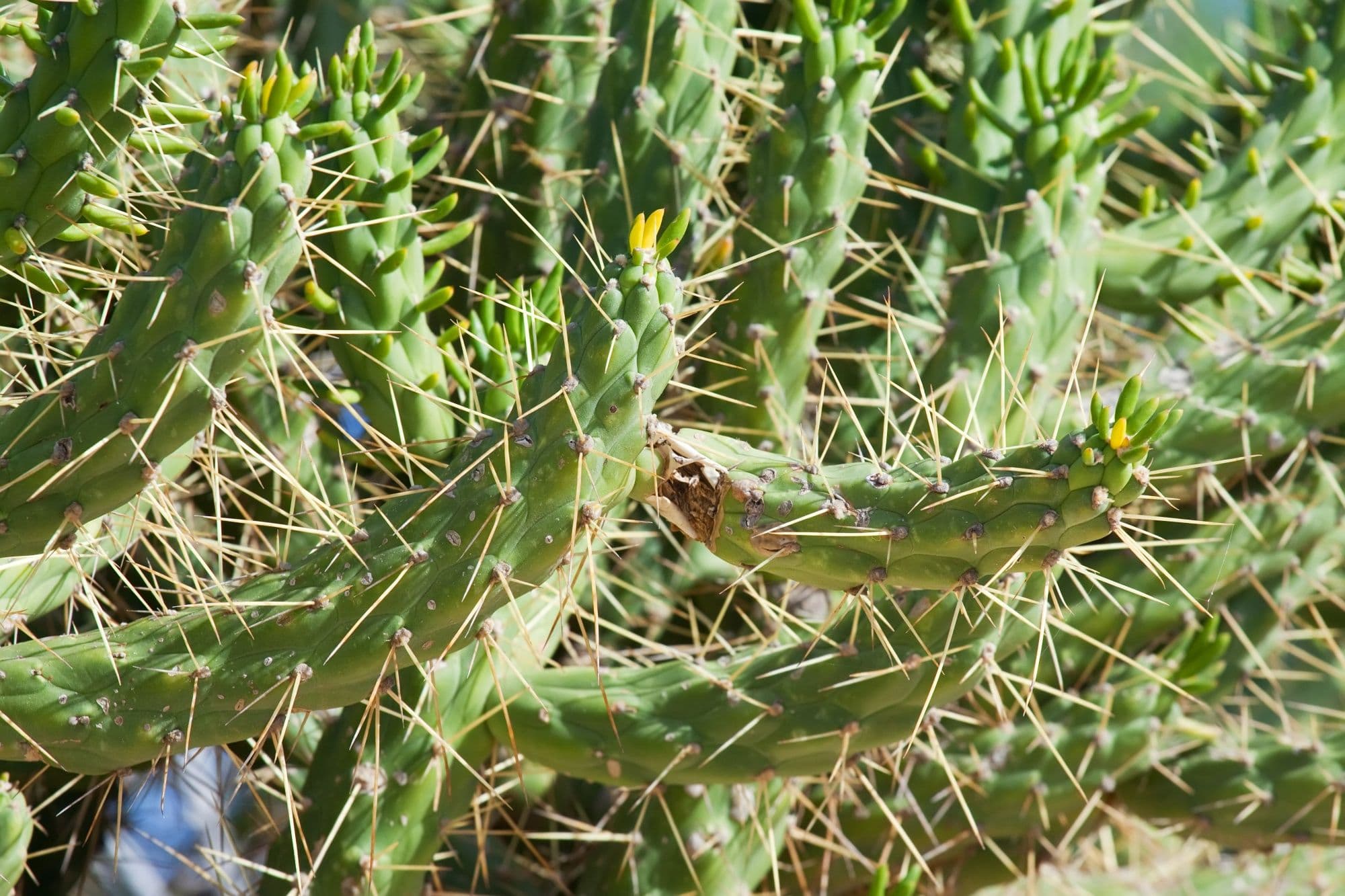
Thorny Plants: A Comprehensive Guide
Many plants defend themselves with sharp thorns. This guide explores over 20 examples among flowers, shrubs, trees, and vines. You'll learn what each plant looks like, why it grows thorns, and how to quickly identify them.

12 min read · 7 Aug 2026
13 Best Front Yard Trees for Every Home and Yard
A front yard tree can stay for decades. Therefore, choosing one deserves serious consideration. Here are 13 trees that have proven themselves, sorted by their purpose. You'll also find five species to avoid and basic planting information.
Explore Plants by Care Needs
 POPULAR
Dumbcane
Dieffenbachia seguine
 POPULAR
Blushing Philodendron
Philodendron erubescens
 POPULAR
Panda Plant
Kalanchoe tomentosa
 POPULAR
Mother of Thousands
Kalanchoe daigremontiana
 POPULAR
Fishtail Hoya
Hoya polyneura
 POPULAR
Rose grape
Medinilla magnifica
 POPULAR
Cylindrical snake plant
Dracaena angolensis
Haworth's aeonium
Aeonium haworthii
Identify the plant and problem. Help your plant recover
Identify plant problems early, understand what's wrong, and get clear care guidance. Botan helps you turn guesswork into confident plant care