Spider Plant Care (Chlorophytum comosum 'Variegatum')

Spider Plant

About Spider Plant

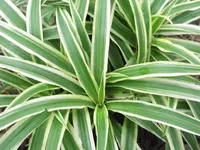
Spider plant, Chlorophytum comosum 'Variegatum', is a compact, clump-forming houseplant known for its arching, ribbon-like leaves with green centers and creamy white margins. Mature plants produce long stolons that carry small plantlets, which trail gracefully from pots or hanging baskets.

This cultivar originated from tropical and subtropical regions of southern Africa, where it grows as an understory plant. Its tolerance of indoor conditions, occasional neglect, and a wide range of light levels makes it popular and reliable.

It prefers bright, indirect light, evenly moist but not waterlogged soil, and moderate household humidity, which simplifies how to care for Spider Plant for most home growers.

Main Plant Requirements

Care Difficulty

Easy Care

Light Preference

Bright Indirect Light

Water Requirements

Moderate Water

Temperature Preference

Tropical / Frost Sensitive

Hardiness Zone

9–11

Soil Texture

Loamy, Sandy, Organic-rich

Soil pH

Acidic (5.5–6.5), Slightly acidic (6.5–7.0)

Soil Drainage

Moist but well-drained

Fertilization

Light (every 4–6 weeks)

Get Personalized Care Plan

Scan your plant to receive care tips personalized for your specific plant

Available on iOS and Android

How to Care for the Spider Plant

Chlorophytum comosum 'Variegatum' prefers bright, indirect light to maintain strong variegation and compact growth.

  • Provide 6–8 hours of bright, filtered light daily, such as near an east- or north-facing window or under light shade outdoors.
  • Tolerates partial shade, but growth slows and variegation fades in very low light; move gradually to a brighter spot if leaves turn mostly green.
  • Protect Spider Plant from harsh midday or afternoon sun, which can scorch leaf tips and edges, especially in summer or through hot west windows.

Watering for Chlorophytum comosum 'Variegatum' should aim for evenly moist but never soggy soil.

  • Allow the top 2–4 cm of soil to dry before watering; check with a finger rather than following a fixed calendar schedule.
  • In spring and summer, increase watering as growth speeds up; in fall and winter, extend the drying period and water less often.
  • Watch for yellowing, soft leaves or a sour smell as signs of overwatering, and brown crispy tips or limp, curling leaves as signs of underwatering; always use well-draining soil.

This plant prefers mild, stable temperatures and is sensitive to frost and extreme heat.

  • Aim for 65–80°F (18–27°C) for best growth; it handles short fluctuations but thrives with minimal drafts and stable conditions.
  • Avoid temperatures below 45°F (7°C); exposure near or below this level can cause leaf damage, while frost can kill foliage and crowns.
  • In summer, protect from hot, dry air above 90°F (32°C) by providing shade and airflow; in cooler seasons, keep away from cold windows, unheated porches, and direct heater blasts to stabilize growing Spider Plant conditions.

This plant handles a wide humidity range and usually does not need special humidity management indoors.

  • Aim for 30–60% humidity, which is typical for most heated or air-conditioned homes.
  • Tolerates dry air but very low humidity may cause brown, crispy leaf tips, especially on Spider Plant varieties with thinner leaves.
  • If tips brown in very dry rooms, group plants, place the pot on a pebble tray with water below the base, or run a nearby humidifier.

This species prefers a loose, airy, organic-rich potting mix that drains quickly yet holds some moisture.

  • Use a peat- or coir-based all-purpose potting mix amended with 20–30% perlite or pumice for better drainage and aeration.
  • Aim for slightly acidic to neutral pH around 6.0–7.0, which supports nutrient availability for Chlorophytum comosum 'Variegatum'.
  • Incorporate a small amount of fine bark or compost to increase organic matter without making the mix heavy or compacted.
  • Avoid garden soil, clay-heavy mixes, or pots without drainage holes, since these conditions encourage waterlogging and root rot.

This species is very suitable for container growing in homes and shaded outdoor patios.

  • Choose a stable, wider pot rather than a very tall one so the arching foliage and offsets do not tip the container over.
  • Select plastic if slower drying is desired, or unglazed terracotta if faster moisture loss is needed for heavy waterers.
  • Ensure large, unobstructed drainage holes and use a potting mix that lets excess water exit within a few seconds of watering.

Chlorophytum comosum 'Variegatum' benefits from modest, diluted feeding during active growth for strong foliage and offsets in Spider Plant indoor care.

  • Use a balanced water‑soluble fertilizer (for example, 10‑10‑10 or 20‑20‑20) at 1/4–1/2 strength for potted plants.
  • Feed every 4–6 weeks from early spring through early fall, only when the plant is actively growing.
  • Skip or greatly reduce feeding in winter, when growth slows under lower light.
  • Avoid heavy use of slow‑release pellets or rich compost that can cause salt buildup and tip burn.

Thoughtful pruning keeps Chlorophytum comosum 'Variegatum' tidy, encourages fresh leaves, and manages plant size.

  • Prune mainly in spring and summer when the plant is actively growing and recovers fastest.
  • Cut off brown leaf tips or entire damaged leaves at the base with clean, sharp scissors or hand pruners.
  • Remove spent flower stalks and unwanted plantlets to maintain a compact, arching shape and reduce crowding.
  • Thin dense clumps by taking out older, tired rosettes to improve air flow and stimulate new growth.

This plant prefers slightly tight pots but benefits from periodic repotting to refresh soil and manage crowded roots.

  • Check for roots circling the pot, pushing from drainage holes, or slow growth as signals it needs more space.
  • Plan to repot every 2–3 years in spring, when recovery and new root growth are strongest.
  • Choose a pot 2–3 cm wider with drainage holes and use a light, peat‑free or peat‑reduced houseplant mix.
  • Gently loosen circling roots, trim dead ones, water well after repotting, and keep in bright, indirect light for 1–2 weeks.

New plants are most often produced from the hanging offsets, making Chlorophytum comosum 'Variegatum' simple to multiply.

  • Take spiderettes with small roots in spring or summer, when mother plants grow strongly.
  • Either root offsets in water or place them directly into moist, free‑draining potting mix.
  • Keep new plants in bright, indirect light at 65–80°F with evenly moist, not soggy, soil until established.
  • Larger, older clumps can also be divided at repotting, ensuring each division has several healthy roots and leaves.

This species is frost sensitive and needs mild indoor conditions in winter, especially in cooler climates.

  • Bring container plants indoors before temperatures fall below 45°F to avoid leaf damage and root stress.
  • Maintain indoor temperatures around 60–75°F with bright, indirect light and good air circulation.
  • Water less often in winter, allowing the top soil to dry slightly deeper to reduce rot risk.
  • Keep foliage away from cold drafts, single‑pane windows, and heating vents that cause temperature swings.

Care Tips

Support arching stems

Use a light hanging basket or a tall stand so the long stolons and plantlets can arch freely without kinking, which keeps the growth symmetrical and reduces breakage when the plant is moved.

Root plantlets efficiently

When plantlets form small roots, pin them onto the surface of a moist pot beside the mother plant using a hairpin or paperclip, then cut the stolon only after new growth appears to establish faster, stronger offsets.

Refresh crowded clumps

Every 2–3 years, slice away and discard the dense, woody center of the root mass and replant only the younger, outer sections to restore vigor and maintain attractive foliage density.

Manage salt buildup

Once a month, slowly run water through the pot for several minutes and let it drain fully to flush out accumulated fertilizer salts that otherwise cause brown tips on the variegated leaves.

Pest monitoring routine

Inspect the leaf bases and undersides weekly for early signs of spider mites or aphids, and if pests are found, rinse foliage thoroughly under a gentle shower before using any insecticidal soap as part of systematic caring for Spider Plant.

Common Pests and Diseases

Spider mites

This pest feeds on plant sap, causing fine speckling on leaves, dull color, and sometimes thin webbing between leaves and stems.

Solution

Rinse foliage thoroughly with lukewarm water, including leaf undersides, then repeat every few days; increase humidity around the plant and apply insecticidal soap or neem oil to all leaf surfaces, isolating the plant until new growth appears healthy.

Aphids

These insects cluster on soft leaf bases, stolons, and flower stalks, sucking sap and causing distortion, sticky honeydew, and sometimes sooty mold on leaves.

Solution

Remove heavily infested parts, rinse the plant under a gentle shower or tap to dislodge aphids, then treat remaining colonies with insecticidal soap, repeating weekly until no new insects appear and checking nearby plants for spread.

Mealybugs

This pest appears as white, cottony clusters in leaf axils and along stolons, weakening the plant by sap feeding and creating sticky residue.

Solution

Physically remove visible clusters with a cotton swab dipped in 70% isopropyl alcohol, then follow with a thorough application of insecticidal soap or neem oil, repeating every 7–10 days and discarding badly infested plantlets if needed.

Southern blight

This disease causes sudden foliage collapse at the soil line, with tan to brown rot and often white fungal threads and small round sclerotia on the soil surface or crown area.

Solution

Discard severely affected plants, including the potting mix, then clean containers and tools with a disinfectant; for mild early cases, cut out affected crown tissue, repot in fresh sterile mix, improve drainage, and avoid splashing water on the crown.

Leaf tip burn

Symptoms include brown, dry tips and margins on otherwise healthy leaves, often linked to fluoride or salt buildup from tap water and fertilizer rather than infection.

Solution

Trim damaged tips following the natural leaf shape, then flush the potting mix thoroughly with distilled or rainwater and switch to low-fluoride water; reduce fertilizer strength, allow slight leaching at each watering, and repot every 1–2 years to prevent future salt accumulation as part of consistent Chlorophytum comosum 'Variegatum' plant care.

Interesting Facts

Stabilized leaf variegation

The creamy white striping on the leaves is a stable genetic mutation that is maintained when the plant is propagated by division or from its stolons, so new plantlets reliably match the parent’s variegation pattern.

Lower chlorophyll, slower growth

Compared with solid green spider plant types, this variegated cultivar has less chlorophyll in its leaves, which typically results in slightly slower growth and a greater need for adequate light to maintain strong striping.

Distinctively banded stolons

Its long, hanging stolons often show pale, striped or banded coloring that visually continues the leaf variegation, making the plantlets look like small, inverted rosettes suspended along light green to creamy runners.

Botan icon

Did you know?

Chlorophytum comosum 'Variegatum' is one of the oldest continuously cultivated spider plant forms in Western indoor horticulture, having been grown in European glasshouses since at least the late 19th century as a selected ornamental variant of the plain green species.

FAQs about Spider Plant

Brown tips usually result from low humidity, excess fertilizer salts, or fluoride/chlorine in tap water. Use filtered or dechlorinated water, flush the pot occasionally, trim dry tips, and avoid overfertilizing to prevent further browning.

Grow Healthy Plants with Botan Care

Keep your plants happy and healthy with plant identification, disease detection, and easy care guidance.

Botan plant care app — identify plants on mobile

Explore More Plants