Shaded rock crevices
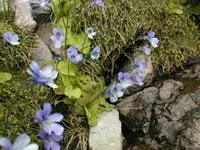
Tuck the roots into narrow crevices between rocks or broken clay pots filled with gritty mix, which stabilizes the plant, protects the crown from waterlogging, and mimics its natural cliff habitat.

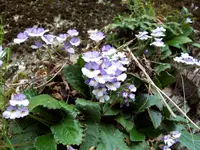
Haberlea rhodopensis, commonly called resurrection plant, is a small, evergreen perennial from rocky, shaded cliffs in the Balkan Peninsula. It forms compact rosettes of slightly hairy, textured leaves. Purple to violet, funnel-shaped flowers rise above the foliage in clusters, giving the plant a delicate, ornamental look despite its rugged origins. This species is highly drought-tolerant and can survive drying out, then revive when moisture returns. Its slow growth, preference for cool, shaded conditions, and need for excellent drainage mean it suits patient growers who can provide a stable spot. Understanding how to care for Haberlea helps keep it compact, long-lived, and flowering reliably in pots or shaded rock gardens.

Care Difficulty
Moderate Care

Light Preference
Partial Shade

Water Requirements
Moderate Water

Temperature Preference
Cold Hardy

Hardiness Zone
5–8

Soil Texture
Loamy, Rocky, Organic-rich

Soil pH
Acidic (5.5–6.5), Slightly acidic (6.5–7.0)

Soil Drainage
Moist but well-drained

Fertilization
Minimal (feed rarely)
Scan your plant to receive care tips personalized for your specific plant
Available on iOS and Android
This species thrives in cool, shaded rock crevices with gentle, indirect light.
Watering should mimic moist, rocky habitats while avoiding prolonged saturation.
This plant prefers cool to mild conditions and tolerates significant cold once established.
This species prefers fairly moist air but tolerates typical indoor humidity if watering is consistent.
This species prefers a loose, humus-rich, rocky substrate that mimics its natural cliff habitats.
This species is suitable for container growing when given a shallow, very free-draining setup.
This alpine species needs only light feeding, as Haberlea rhodopensis is adapted to nutrient-poor rock crevices.
Pruning Haberlea rhodopensis is minimal and focuses on cleanliness rather than reshaping the plant.
This species prefers stable conditions, so repotting or transplanting is infrequent and should be done carefully.
Propagation of Haberlea rhodopensis is usually done by careful division or from seed under controlled conditions.
This species is quite cold hardy in the ground but container plants benefit from simple winter care.

Plant Health Check
Not sure what's wrong with your plant? Check your plant's health inside the app.
This species can survive almost complete dehydration of its leaves and tissues for months, then resume normal metabolism and growth within hours after rehydration, a rare adaptation among flowering plants.
It grows naturally on shaded, north-facing limestone cliffs and rock crevices in the Rhodope Mountains of Bulgaria and Greece, tolerating very little soil and strong temperature fluctuations.
Individual rosettes expand only slightly from year to year, and clumps in nature can be decades old, making mature cushions indicators of long-term habitat stability.

Genetic and physiological studies show that this species shuts down photosynthesis in a controlled way during drought and protects its cellular structures with special sugars and protective proteins, allowing it to endure drying that would be lethal to most other plants.
Poor flowering usually comes from low light, very old, compacted roots, or regular trimming of flower buds. Provide a cool rest in winter, avoid heavy fertilizing, and repot gently every few years to refresh the root zone.
Keep your plants happy and healthy with plant identification, disease detection, and easy care guidance.