Bellevalia dubia Care

Bellevalia dubia

About Bellevalia dubia

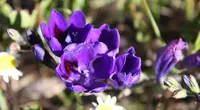
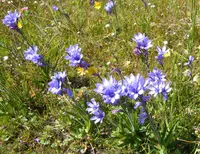
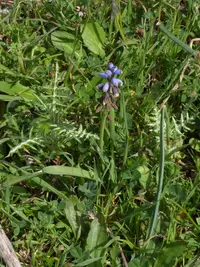
Bellevalia dubia is a small, bulb-forming spring flower in the asparagus family, related to muscari and other grape hyacinths. It produces short spikes of tight, urn-shaped blue to violet flowers above narrow, grasslike leaves.

This species is native to Mediterranean regions, where it grows in open, rocky or grassy habitats with dry summers and mild, moist winters. It is generally considered easy to grow for anyone familiar with basic bulb care.

Good drainage, moderate moisture during active growth, and bright light help care for Bellevalia dubia and keep the bulbs healthy over several seasons.

Main Plant Requirements

Care Difficulty

Moderate Care

Light Preference

Full Sun

Water Requirements

Moderate Water

Temperature Preference

Cool Climate

Hardiness Zone

6–9

Soil Texture

Sandy, Loamy, Organic-rich

Soil pH

Acidic (5.5–6.5), Slightly acidic (6.5–7.0)

Soil Drainage

Well-drained

Fertilization

Minimal (feed rarely)

Get Personalized Care Plan

Scan your plant to receive care tips personalized for your specific plant

Available on iOS and Android

How to Care for the Bellevalia dubia

This small spring bulb prefers bright, gentle light that mimics open, grassy habitats.

  • Provide 4–6 hours of sun daily, favoring morning sun and light afternoon shade, especially in warmer climates.
  • Plant where it receives full sun in spring, then tolerates partial shade as surrounding plants leaf out later in the season.
  • Avoid harsh midday summer sun in hot regions, which can scorch leaves; too much shade leads to weak, floppy growth and fewer flowers.

This bulb prefers moderate, even moisture during active growth, then much drier soil in summer dormancy.

  • In spring growth, water when the top 3–5 cm of soil feels dry, aiming for moist but not saturated soil around the bulbs.
  • Use sharply drained soil or a raised bed so excess water runs off; prolonged standing water increases bulb rot risk.
  • Reduce or stop watering once foliage yellows and dies back; if leaves wilt while still green, watering is too infrequent for Bellevalia dubia.

This species prefers mild, Mediterranean-like conditions with cool, moist winters and warm, dry summers.

  • Active growth is best at 50–68°F (10–20°C), with flowering promoted by a cool winter and gentle spring warm-up.
  • The bulbs usually tolerate down to about 20–25°F (-6 to -4°C) if soil drains well; mulching adds extra cold protection in marginal climates.
  • During summer dormancy, it copes with 80–90°F (27–32°C) if soil stays relatively dry, but extended freezes below 20°F (-6°C) can damage or kill bulbs.

This bulb from dry habitats manages well in typical indoor humidity around 30–50%.

  • Tolerates relatively dry air but performs best with 35–50% humidity during active growth.
  • Crisping flower tips or prematurely yellowing leaves can signal air that is too dry and hot.
  • Increase local humidity with a nearby pebble tray or grouping plants, but avoid misting the foliage and flowers.

Soil for this bulb should be loose, fast-draining, and only moderately rich to prevent rot.

  • Use a sandy or gritty loam with 30–40% mineral material such as coarse sand or fine gravel for sharp drainage.
  • Blend standard potting mix with perlite and a small amount of compost to provide aeration and light fertility.
  • Aim for slightly acidic to neutral pH, around 6.0–7.0, which supports nutrient uptake and root health.
  • Avoid heavy clay, compacted substrates, or peat-heavy mixes that stay wet around the bulbs and encourage decay.

This compact bulb is well suited to container growing outdoors or in bright indoor spots.

  • Choose a pot deeper than the bulb height so roots can extend downward into a cooler, evenly moist zone.
  • Use a heavy or wide-based container if grouping bulbs closely, which keeps tall flower stems from tipping the pot.
  • Ensure drainage holes never sit in a water-filled saucer, as trapped moisture rapidly leads to bulb and basal plate rot in Bellevalia dubia.

This small bulb performs well in average garden soil and needs only modest feeding for reliable flowering.

  • Apply a light dressing of compost or well-rotted manure over the planting area in early spring before growth starts.
  • Use a balanced, slow-release bulb fertilizer at planting and then every 1–2 years during active growth.
  • If using liquid feed in containers, apply a balanced NPK at 1/2 strength every 3–4 weeks in spring.
  • Stop feeding when foliage begins to yellow and Bellevalia dubia enters dormancy, resuming only with new growth.

Pruning needs are minimal and focus mainly on post-flowering cleanup and bulb health.

  • Cut spent flower stalks at the base after blooms fade to prevent unwanted seeding and conserve bulb energy.
  • Allow leaves to yellow and die back naturally, then remove dry foliage cleanly with sharp scissors or hand pruners.
  • Discard any soft, diseased, or damaged tissue immediately to reduce disease pressure around the bulbs.
  • Avoid cutting green leaves, as these still photosynthesize and support next season’s flowering in Bellevalia dubia.

This bulb is usually grown in the ground or shallow pots and does not require frequent moving.

  • Plan transplanting or pot refreshing every 3–4 years, or when clumps become crowded and flowering declines.
  • Lift and transplant bulbs in late summer to early fall, after foliage has fully died back and the soil is workable.
  • Check that roots are not rotting or tightly circling the container; discard soft bulbs and keep only firm ones.
  • Replant bulbs at the same depth in fresh, free-draining soil, water lightly, and avoid heavy disturbance while roots re-establish.

Propagation is most reliable from bulbs and offsets, with seed used mainly for longer-term increase.

  • Lift clumps in late summer or early fall and gently separate small offset bulbs from the parent.
  • Plant offsets at the same depth in well-drained soil, spacing them to allow future clump expansion and air flow.
  • For seed, sow fresh in trays of gritty mix, keep lightly moist, and grow on in cool conditions.
  • Expect seedlings of Bellevalia dubia to take several years to reach flowering size, so mark trays clearly.

This Mediterranean-type bulb has moderate cold tolerance and usually needs simple, soil-based protection in winter.

  • In mild climates, bulbs can overwinter in the ground if soil drains well and does not stay waterlogged.
  • In colder areas below the species’ hardiness, add a 5–8 cm mulch layer after the ground cools but before hard frost.
  • Container-grown plants can be moved into a cold, frost-free, bright location to avoid prolonged freezing of the pot mass.

Care Tips

Staggered potting

Plant bulbs in layers at slightly different depths in a wide pot to create a denser floral display and extend the overall blooming period when growing Bellevalia dubia.

Controlled post-bloom drying

After flowering finishes, gradually reduce watering over 2–3 weeks and keep the pot in a dry, bright spot to allow foliage to die back naturally and help the bulbs mature for next season.

Bulb inspection routine

Lift and inspect dormant bulbs every 1–2 years, discarding any that feel soft or show mold and replanting only firm, healthy bulbs to maintain a vigorous clump.

Mesh basket use

If planting in the ground, place bulbs in a shallow mesh basket before covering with soil so they can be lifted, divided, and stored more easily after the foliage dies back.

Cool-room forcing

For early indoor display, chill potted bulbs for 8–10 weeks at 35–45°F, then move them to a bright, cool room to encourage compact growth and longer-lasting blooms.

Common Pests and Diseases

Bulb mites

These pests attack the basal plate and scales of the bulb, often entering through planting wounds or soft spots. Symptoms include poor emergence, weak growth, and bulbs that feel spongy or show brown, corky tissue inside.

Solution

Discard severely infested bulbs and avoid reusing the soil. For mild problems, dry affected bulbs thoroughly, trim out damaged tissue with a clean blade, dust the cut areas with sulfur or a bulb-safe fungicide, and store bulbs in a dry, well-ventilated place before replanting in fresh, free-draining soil.

Narcissus bulb fly

This pest lays eggs on or near bulbs, and the larvae tunnel into the bulb, hollowing it from the inside. Symptoms include sudden collapse of leaves, yellowing, and bulbs that are soft, foul-smelling, and filled with a large white maggot.

Solution

Remove and destroy any infested bulbs completely, including surrounding loose bulb scales. To reduce future damage, plant bulbs slightly deeper, cover planting areas with fine mesh during the adult flight period in late spring, and avoid leaving damaged or cut bulbs exposed, since these attract egg-laying females when growing Bellevalia dubia.

Gray mold (Botrytis)

This disease thrives in cool, damp conditions and affects leaves, flower stalks, and spent blooms. Symptoms include water-soaked spots that enlarge, collapse, and develop fuzzy gray mold, especially in crowded plantings or during wet weather.

Solution

Promptly remove and discard infected leaves and spent flowers, and improve air circulation by thinning nearby vegetation and avoiding overhead watering. In areas with repeated issues, space bulbs more widely, water at soil level in the morning, and use a labeled ornamental bulb fungicide preventively during prolonged cool, wet periods.

Basal bulb rot

This disease starts at the basal plate of the bulb and moves upward, usually under conditions of poor drainage or overly wet storage. Symptoms include bulbs that are soft at the base, brown or reddish internal tissue, stunted shoots, and sudden foliage yellowing or collapse.

Solution

Discard any bulbs that feel soft, smell sour, or show internal discoloration, and do not compost them. To prevent new infections, use only healthy, firm bulbs, plant in sharply drained soil or raised beds, avoid overwatering, and store lifted bulbs in a dry, airy place with moderate temperatures and low humidity.

Interesting Facts

Mediterranean winter growth

Bellevalia dubia is a geophyte from Mediterranean climates, where it grows and flowers in the cool, moist months and then survives the hot, dry summer as a dormant underground bulb.

Compact blue inflorescences

The species produces short, dense racemes of bluish to violet, urn-shaped flowers whose dark, somewhat swollen buds give the plant a distinctive, almost bicolored look during early bloom.

Saline and sandy tolerance

In parts of its native range, this species occurs in coastal and sandy soils and shows tolerance to relatively high soil salinity compared with many other small spring bulbs.

FAQs about Bellevalia dubia

Lack of flowers usually comes from bulbs not getting a cool winter rest, being planted too shallow or deep, or being overcrowded. Poor nutrition and too much shade also reduce bud formation for the next season.

Grow Healthy Plants with Botan Care

Keep your plants happy and healthy with plant identification, disease detection, and easy care guidance.

Botan plant care app — identify plants on mobile

Explore More Plants