billygoat weed Care (Ageratum conyzoides)

Also known as: tropical whiteweed, Invading Ageratum, Blue Weed, Tropic Ageratum
billygoat weed

About billygoat weed

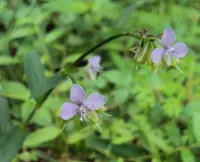
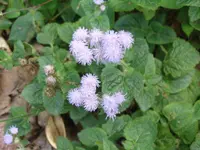
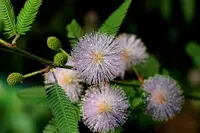
Billygoat weed (Ageratum conyzoides) is a fast-growing annual herb often found as a weed in warm, humid climates. It has soft, hairy stems, triangular leaves, and fluffy, pale blue to lavender flower clusters.

The plant is native to tropical America but has spread widely through Africa, Asia, and other subtropical regions, especially in disturbed soils and pastures. It self-seeds readily and can form dense patches.

This species is tough and adaptable, which makes it easy to establish but also invasive in many areas. It prefers full sun to light shade, moderately moist soil, and good drainage, and these traits are important if you want to learn how to care for billygoat weed.

Main Plant Requirements

Care Difficulty

Easy Care

Light Preference

Full Sun

Water Requirements

Moderate Water

Temperature Preference

Tropical / Frost Sensitive

Hardiness Zone

9–13

Soil Texture

Sandy, Loamy, Organic-rich

Soil pH

Acidic (5.5–6.5), Slightly acidic (6.5–7.0)

Soil Drainage

Moist but well-drained

Fertilization

Minimal (feed rarely)

Get Personalized Care Plan

Scan your plant to receive care tips personalized for your specific plant

Available on iOS and Android

How to Care for the billygoat weed

This sun-loving annual thrives in bright sites but benefits from some protection from harsh midday exposure.

  • Provide 4–6 hours of direct morning sun with light afternoon shade; in hotter regions, use filtered light after 12 p.m. to reduce leaf scorch.
  • Plant billygoat weed in open areas where taller plants or structures cast partial shade during the strongest sun, especially in summer.
  • Watch for leggy stems and sparse flowering as signs of insufficient light, and for pale, crisping leaves as signs of excessive sun.

This plant prefers consistently moist but not waterlogged soil throughout the growing season.

  • Water when the top 2–3 cm of soil feel dry, aiming for evenly moist soil that never stays soggy for more than a few hours.
  • Use well-draining soil or a site that does not hold standing water to reduce root rot risk; slight surface cracking is a cue to check moisture below.
  • In hot, windy weather increase watering frequency, but reduce it in cool or rainy periods; wilting at midday that recovers by evening usually indicates temporary heat stress, not chronic dryness.

This warm-season species grows best in mild to warm conditions and reacts poorly to cold.

  • Aim for 70–85°F (21–29°C) for strongest growth and flowering during the main growing season.
  • Protect plants if temperatures approach 40°F (4°C); growth slows markedly below 55°F (13°C) and true frost can kill foliage and stems.
  • In hot spells above 95°F (35°C), provide afternoon shade and extra soil moisture to limit heat stress, and avoid planting during periods of expected late frost.

This species grows best in moderate to fairly humid air but usually tolerates typical household conditions.

  • Aim for 40–60% humidity; it copes with slightly drier air if soil moisture is consistent.
  • Dry air may cause leaf edge browning, crisp tips, and slower growth on billygoat weed.
  • Increase humidity locally with grouped pots, a pebble tray under the container, or brief use of a room humidifier.

This plant prefers loose, moderately fertile, well-draining soil that does not stay waterlogged.

  • Use a loamy mix with 50–60% general potting soil, 20–30% compost, and 10–20% coarse sand or perlite for structure.
  • Ensure fast drainage; water should exit the pot within seconds and the mix should not feel sticky or compacted.
  • Keep pH roughly 6.0–7.0; slightly acidic to neutral conditions help Ageratum conyzoides access nutrients efficiently.
  • Avoid heavy clay, peat-only mixes, or spots where water collects after rain, which increase root rot risk and poor aeration.

This species is well suited to container growing outdoors in warm seasons.

  • Choose a wide, shallow to medium-depth pot so the spreading roots and shoots can fill the surface without toppling.
  • Use a relatively heavy material such as glazed ceramic if the plant forms dense, top-heavy growth that catches wind.
  • Raise the container slightly on pot feet or bricks so drainage holes remain clear and excess water can escape quickly.

Ageratum conyzoides grows in poor soils but responds well to light feeding in containers or managed beds.

  • Use a balanced liquid fertilizer (for example 10-10-10) at 1/4–1/2 strength every 3–4 weeks during the warm growing season.
  • Alternatively, mix a small amount of slow-release balanced granules into the topsoil at planting for steady nutrients.
  • In rich garden soil, rely mainly on compost or organic matter and avoid heavy nitrogen that encourages weak, lush growth.
  • Stop feeding billygoat weed in late fall and do not fertilize during winter or dormancy periods.

Pruning Ageratum conyzoides keeps plants compact, encourages more flowers, and limits unwanted spread.

  • Pinch or shear back soft growing tips in late spring to early summer to promote bushier growth and denser flowering.
  • Remove spent flower heads and leggy stems with clean scissors or hand pruners to extend the blooming period.
  • Cut out dead, damaged, or crowded stems at the base to maintain airflow and reduce disease risk.
  • If plants sprawl or invade nearby areas, trim edges hard or mow patches before seed set to control self-seeding.

This species is usually grown in the ground, so care focuses more on transplanting than on frequent repotting.

  • Transplant seedlings or small clumps in spring after frost risk has passed, when plants show steady, healthy new growth.
  • Move container plants when roots circle the pot, growth slows, or soil dries very quickly despite normal watering.
  • Shift into a container 2–5 cm wider with well-drained, moderately fertile mix, keeping the original root ball intact.
  • Water thoroughly after moving, shade for 2–3 days, and avoid heavy feeding until new growth confirms low transplant stress.

Ageratum conyzoides is commonly propagated from seeds and soft stem cuttings for quick establishment.

  • Sow fresh seeds in late winter to spring on the surface of moist, fine seed mix; press gently but do not cover, since light aids germination.
  • Keep trays at 70–75°F with even moisture and gentle airflow until seedlings develop several true leaves.
  • For cuttings, take 5–8 cm non-flowering tips in late spring, remove lower leaves, and insert into moist, well-drained medium.
  • Provide bright, indirect light and high humidity for cuttings; rooting usually occurs within a few weeks if the medium is not waterlogged.

This tender species is frost-sensitive and usually behaves as an annual in cold regions.

  • In climates with frost, expect outdoor plants to die back when temperatures drop near freezing and rely on reseeding next year.
  • Apply a light organic mulch in mild-winter areas to buffer short cool spells around the root zone.
  • For container specimens in cooler zones, move pots indoors or to a frost-free greenhouse before temperatures fall below 40°F.
  • In warm tropical or subtropical climates, treat it as a short-lived perennial and remove frost-scorched stems to encourage fresh growth.

Care Tips

Timed succession sowing

Stagger sowing every 3–4 weeks in warm seasons so that older plants can be removed before they get woody and invasive, while fresh plants keep flowering and producing biomass.

Root-zone containment

In open ground, use deep edging or plant into buried bottomless pots to confine roots and make it easier to pull up plants before they spread by self-seeding.

Pre-bloom deadheading

Cut flower heads as soon as they fade but before seed sets, dropping them into a bucket rather than on the soil surface to sharply reduce unwanted volunteers.

Hygienic biomass removal

When clearing plants, bag and dispose of seed-bearing tops instead of composting them, but chip or shred non-flowering stems and leaves for safe use as mulch away from the bed.

Targeted groundcover use

In erosion-prone or weedy strips, allow a dense but monitored patch to form a living mulch, then replace it with a less aggressive cover crop once the soil is stabilized, which makes caring for billygoat weed less labor-intensive and more controlled.

Common Pests and Diseases

Powdery mildew

This disease causes white, powdery patches on leaves and stems, often leading to yellowing and reduced vigor. Symptoms include distortion of young growth in warm, humid conditions with poor air movement.

Solution

Remove heavily infected leaves, avoid overhead watering, and thin or space plants to improve airflow. For recurring issues, use a sulfur or potassium bicarbonate-based fungicide according to label directions and keep foliage as dry as possible.

Leaf spot

This disease produces small brown to dark purple spots on leaves that may merge into larger lesions, sometimes surrounded by a yellow halo. Symptoms include premature leaf drop in warm, wet weather or under frequent overhead irrigation.

Solution

Prune and discard affected leaves, water at soil level, and avoid wetting foliage late in the day. In severe cases, apply a copper-based fungicide and increase spacing between plants to lower humidity around the foliage.

Aphids

These insects cluster on tender stems and leaf undersides, sucking sap and causing curling, distortion, and sticky honeydew deposits. This pest also encourages sooty mold growth and can weaken young plants or seedlings.

Solution

Spray plants with a strong stream of water to dislodge colonies, then treat remaining aphids with insecticidal soap or a neem oil solution, coating leaf undersides thoroughly. Encourage natural predators like lady beetles by avoiding broad-spectrum insecticides nearby.

Leafminers

These insects create winding, pale tunnels within the leaf blade as larvae feed between upper and lower leaf surfaces. Symptoms include serpentine trails and thinning or blistered areas on affected leaves.

Solution

Remove and discard mined leaves promptly to reduce larvae and prevent adult emergence. Use yellow sticky traps to monitor adult activity and, if needed, apply a systemic or spinosad-based product targeting larvae while protecting beneficial insects as much as possible.

Whiteflies

These insects are tiny white, moth-like pests that fly up in clouds when the plant is disturbed and feed on leaf undersides. This pest causes yellowing, leaf drop, and sticky honeydew, which can lead to sooty mold on dense stands of plants.

Solution

Vacuum or gently shake adults into soapy water and place yellow sticky traps near plants to reduce flying populations. Treat leaf undersides with insecticidal soap or neem oil at 5–7 day intervals and remove heavily infested plant material to break the life cycle while following general Ageratum conyzoides care to keep plants vigorous.

Interesting Facts

Toxic pyrrolizidine alkaloids

This species produces pyrrolizidine alkaloids in its tissues, which can be toxic to livestock and humans if ingested in significant amounts and are studied for their potential liver‑damaging effects.

Strong weed competitor

It is a highly competitive annual weed in tropical and subtropical crops, forming dense stands that shade soil, reduce crop yields, and rapidly colonize disturbed ground.

Insect repellent foliage

The leaves emit a noticeable odor when crushed and have shown insect‑repellent and insecticidal properties in laboratory and field studies against certain agricultural pests.

Botan icon

Did you know?

In some regions of Africa and Asia, this species has become one of the most problematic invasive weeds in plantations such as oil palm, rubber, and cocoa, prompting extensive research into its biology and management and making Ageratum conyzoides care a topic of interest even among weed scientists.

FAQs about billygoat weed

This species self-seeds heavily and can spread quickly, especially in warm, disturbed ground. In many regions it is considered a weed. Deadhead spent flowers, remove unwanted seedlings early, and avoid letting it set large amounts of seed.

Grow Healthy Plants with Botan Care

Keep your plants happy and healthy with plant identification, disease detection, and easy care guidance.

Botan plant care app — identify plants on mobile

Explore More Plants