Encourage Bushy Growth
Pinch back soft stem tips in early spring and again after the first flush of flowers to encourage denser, low growth and reduce lodging in wind or rain.

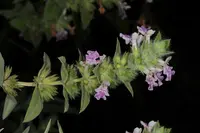
Stachys palaestina is a herbaceous perennial in the mint family, forming low, aromatic clumps with softly textured leaves. It often produces upright flowering stems with small, tubular flowers.
This species is native to the Eastern Mediterranean and Middle East, where it grows in rocky, sunny habitats and open scrub. Its natural adaptation to relatively dry, well-drained sites makes it fairly resilient in cultivation.
The plant generally prefers full sun, moderate moisture, and gritty or well-drained soil. Once established, it tolerates some drought, which simplifies how to care for Stachys palaestina in low-maintenance gardens.

Care Difficulty
Easy Care

Light Preference
Full Sun

Water Requirements
Low Water

Temperature Preference
Warm Climate

Hardiness Zone
8–11

Soil Texture
Sandy, Loamy, Rocky

Soil pH
Slightly acidic (6.5–7.0), Slightly alkaline (7.0–7.5)

Soil Drainage
Well-drained

Fertilization
Minimal (feed rarely)
Scan your plant to receive care tips personalized for your specific plant
Available on iOS and Android
This sun-loving perennial thrives in bright, open positions with some protection from harsh extremes.
This species prefers dry to moderately moist conditions and is vulnerable to excess water.
This plant is adapted to warm, dry climates but copes with moderate cold if soil drains freely.
This species is adapted to dry climates, so humidity is not a critical factor for Stachys palaestina in typical homes.
This plant prefers lean, well-aerated, fast-draining soil that mimics its native rocky habitats.
This species can grow well in containers when drainage and root space are carefully managed.
This drought-adapted perennial needs only modest feeding under garden conditions.
Pruning is mainly used to keep the plant compact and to remove spent growth.
This species is usually grown in open ground, so focus on careful transplanting rather than frequent repotting.
Gardeners commonly increase this plant by division, with seeds and cuttings as secondary options.
This species is generally cold hardy in temperate climates and needs limited winter care.

Plant Health Check
Not sure what's wrong with your plant? Check your plant's health inside the app.
This perennial is native to the eastern Mediterranean, especially dry, rocky slopes and steppe habitats in regions such as Israel, Jordan, Lebanon, and surrounding areas, where it is adapted to long, hot, rainless summers.
Like many members of the genus, it forms softly hairy, often gray‑green leaves, but in this species the dense indumentum (leaf hair covering) is particularly important for reflecting intense sunlight and reducing water loss in exposed sites.
It produces whorls of small, tubular, usually pink to purplish flowers in summer, which provide nectar for bees and other insects in otherwise dry landscapes with relatively few floral resources.
This species forms clumps and can spread slowly by short rhizomes and self-seeding, but it is not usually aggressive. Occasional division and removal of unwanted seedlings keep it in defined patches without becoming a nuisance.
Keep your plants happy and healthy with plant identification, disease detection, and easy care guidance.