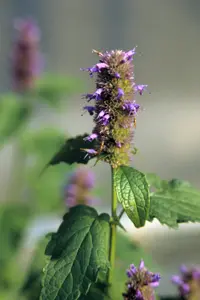
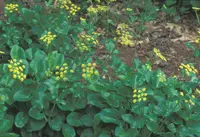
meadow alexanders Care (Zizia trifoliata)

meadow alexanders

About meadow alexanders

Meadow alexanders, Zizia trifoliata, is a perennial herb in the carrot family, valued for its airy umbels of small yellow flowers held above divided foliage. It forms clumps in open meadows, woodland edges, and moist prairies, often creating a soft, naturalistic look in mixed plantings.

This species is native to North America and typically grows in sites with consistent moisture and partial to full sun. It tends to be resilient once established and suits low-input, naturalistic gardens. Gardeners who learn how to care for meadow alexanders usually find it reliable when given moderately moist, well-drained soil.

Main Plant Requirements

Care Difficulty

Easy Care

Light Preference

Partial Sun

Water Requirements

Moderate Water

Temperature Preference

Cold Hardy

Hardiness Zone

4–8

Soil Texture

Loamy, Silty, Organic-rich

Soil pH

Acidic (5.5–6.5), Slightly acidic (6.5–7.0)

Soil Drainage

Moist but well-drained

Fertilization

Minimal (feed rarely)

Get Personalized Care Plan

Scan your plant to receive care tips personalized for your specific plant

Available on iOS and Android

How to Care for the meadow alexanders

This North American native thrives in open, not heavily shaded, sites with consistent light.

  • Provide 4–6 hours of direct morning sun with light afternoon shade; bright, filtered light all day also suits meadow alexanders well.
  • Tolerates partial shade, but stems may elongate and flowering decrease if it receives less than 3–4 hours of direct or very bright light.
  • In hot summers, protect from intense late-afternoon sun to reduce leaf scorch, especially during dry periods.

This species prefers evenly moist, but not saturated, soil during its active growing season.

  • Water when the top 3–5 cm of soil feel slightly dry, aiming for consistently moist soil without puddling or standing water.
  • Ensure soil has good drainage; yellowing, limp foliage and a sour soil smell suggest overwatering, while drooping, crisp leaf edges indicate underwatering.
  • In spring and early summer, moisture needs are highest; reduce frequency in late summer and fall as growth slows and rains increase.

This hardy perennial tolerates a wide temperature range typical of temperate climates.

  • Active growth is strongest around 65–80°F (18–27°C), which supports robust foliage and flowering in late spring and early summer.
  • Zizia trifoliata survives winter cold well, handling temperatures down to about -20°F (-29°C) once established and dormant in the ground.
  • During heat waves above 90°F (32°C), growth can slow; combine mulch with adequate soil moisture to limit stress and leaf scorch.

Humidity is rarely a limiting factor for Zizia trifoliata in typical home or garden conditions.

Zizia trifoliata prefers consistently moist, fertile, well-aerated soil for healthy root growth.

  • Use a loamy mix with high organic matter, such as garden loam blended with compost or leaf mold.
  • Ensure moderate drainage so soil stays moist but not waterlogged, adding coarse sand if water lingers after rain or watering.
  • Aim for slightly acidic to neutral pH (6.0–7.0), avoiding highly alkaline sites that limit nutrient availability.
  • Improve aeration in heavier soils by incorporating fine bark or perlite through the top 10–15 cm before planting.

This species can be grown in containers if the pot supports its moisture needs and root depth.

  • Choose a deep container (at least 25–30 cm) to accommodate the taproot and prevent stunted growth.
  • Select a heavier pot material, such as ceramic or clay, to keep the container stable against wind and tall flowering stems.
  • Use a moisture-retentive but draining mix and place the pot where it will not dry out rapidly from reflected heat or strong sun.

Zizia trifoliata is a low-maintenance native that usually needs only modest feeding in average garden soil.

  • Apply a light layer of compost or well-rotted leaf mold around plants in early spring to refresh nutrients.
  • In poorer soils, use a balanced slow-release fertilizer (such as 10-10-10) at half strength once in spring.
  • Avoid high-nitrogen products that promote lush foliage at the expense of flowers on meadow alexanders.
  • Do not feed in late fall or winter, when the plant is dormant and nutrient demand is low.

Pruning Zizia trifoliata is simple and mainly focused on tidying and supporting flowering performance.

  • Cut back spent flower stems after bloom to encourage a neater appearance and possible light rebloom.
  • Remove dead, damaged, or diseased foliage at any time using clean, sharp hand pruners.
  • In late fall or very early spring, shear or cut old stems close to the base to make room for new growth.
  • Thin crowded clumps every few years during dormancy to maintain good air flow and reduce disease pressure.

This species is most often grown in garden beds, so care focuses on transplanting clumps rather than frequent repotting.

  • Transplant in early spring or early fall when temperatures are mild and the plant is not in peak bloom.
  • Look for signs such as congested crowns, declining vigor, or slow growth that suggest division and transplanting will help.
  • Lift clumps carefully, tease apart or cut sections with several shoots and roots, and replant at the same soil depth.
  • Water thoroughly after transplanting and keep soil evenly moist for 1–2 weeks to reduce root stress and improve establishment.

Zizia trifoliata is commonly propagated by seed and by division of established clumps.

  • Collect seeds when umbels turn brown, then sow in fall outdoors to allow natural cold stratification.
  • For controlled germination, provide 6–8 weeks of cold, moist stratification in the refrigerator before spring sowing.
  • Divide mature clumps in early spring or early fall, ensuring each division carries several buds and healthy roots.
  • Replant divisions promptly in moist, well-drained soil and keep consistently damp until new growth resumes.

This cold-hardy perennial usually needs minimal winter care in its typical growing regions.

  • Tolerates normal winter frost in USDA zones where it is native, dying back to the crown and regrowing in spring.
  • After hard frost, allow stems to stand for winter interest or cut them back close to the ground if preferred.
  • Apply a light mulch layer (2–5 cm) around the root zone in late fall, especially in exposed or windy sites.
  • Container-grown plants benefit from moving pots to a sheltered, unheated but frost-free spot to prevent root damage.

Care Tips

Spring division timing

Divide established clumps in early spring just as new shoots emerge, replanting sections with at least 3–5 vigorous buds to maintain flowering strength and refresh crowded plantings.

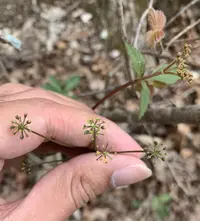
Support for tall stems

In windy or exposed sites, place low ring supports or discreet stakes around young plants in spring so the stems grow through them, reducing lodging and breakage later in the season.

Selective self-seeding

Allow seed heads to mature and drop only where expansion is desired, then cut remaining umbels before seeds disperse to prevent unwanted spread while maintaining a naturalistic look.

Companion planting strategy

Combine plants with slightly taller, stiff-stemmed neighbors such as native grasses to provide light structural support and create a stable, competitive planting that suppresses weeds.

Targeted pest monitoring

Inspect umbels and new growth every 1–2 weeks for aphids or leaf-chewing larvae, using a strong water spray or manual removal at low populations to avoid disrupting beneficial insects when growing meadow alexanders.

Common Pests and Diseases

Leaf spot fungi

This disease causes small brown to dark purple spots on leaves that may merge into larger blotches and lead to premature yellowing. Symptoms include more severe damage on older, crowded foliage in humid conditions.

Solution

Remove and dispose of heavily spotted leaves and any fallen debris to reduce spore spread, and avoid overhead watering so foliage dries quickly. Improve spacing and air movement around plants; if needed, apply a labeled copper or chlorothalonil fungicide at first signs, following local meadow alexanders care instructions and product directions.

Powdery mildew

This disease appears as a white to gray, powdery coating on upper leaf surfaces and young stems. Symptoms include distorted new growth and reduced vigor in dense or shaded plantings.

Solution

Increase sun exposure and airflow by thinning nearby vegetation and avoiding overcrowding. Remove the most affected leaves and, if the problem persists, use a labeled potassium bicarbonate, sulfur, or neem oil product, applied in the evening when temperatures are below 85°F to reduce leaf stress.

Aphids

These insects cluster on young stems and the undersides of leaves, sucking sap and causing curling, distortion, and sticky honeydew. This pest may also attract ants and support sooty mold growth on the honeydew.

Solution

Wash colonies off with a strong but controlled stream of water, targeting the undersides of leaves. For persistent infestations, use insecticidal soap or a light horticultural oil, repeating weekly as needed and applying in early morning or late afternoon to avoid leaf burn.

Carrot rust fly larvae

This pest lays eggs near the root zone; larvae feed on fine roots and crown tissue, causing stunting, reduced vigor, and occasional wilting during dry periods. Symptoms include poor growth despite seemingly adequate soil moisture and nutrition.

Solution

Use fine mesh row covers over young plants in spring to prevent egg-laying and avoid planting near cultivated carrots or parsley that attract the same pest. Maintain a healthy, well-drained soil and rotate planting areas year to year to reduce larval buildup.

Leaf miners

These insects create winding, pale tunnels inside leaves, which may turn brown and dry as tissue dies. This pest rarely kills plants but can reduce ornamental value and photosynthesis if damage is heavy.

Solution

Hand-remove and discard mined leaves as soon as tunnels appear to interrupt the life cycle. Encourage natural predators and, if needed on larger stands, use a systemic insecticide labeled for mining flies, applied according to label directions and timed for early larval stages.

Interesting Facts

Moist woodland specialist

This species naturally occurs in rich, moist deciduous woods and along shaded streambanks in eastern North America, rather than in open meadows like its close relative Zizia aurea.

Distinctive leaf structure

It has compound leaves made of three toothed leaflets, which helps separate it from similar umbellifers that often have more finely divided or many-parted foliage.

Early-season nectar source

Its small yellow flowers in flat-topped umbels bloom in late spring to early summer and provide nectar for a range of native bees and small flies at a time when many woodland plants have already finished flowering.

FAQs about meadow alexanders

This umbel-forming wildflower is highly attractive to native bees, small wasps, flies, and some butterflies. Its numerous small yellow flowers provide accessible nectar and pollen, supporting early-season pollinators in naturalistic gardens and meadow-style plantings.

Grow Healthy Plants with Botan Care

Keep your plants happy and healthy with plant identification, disease detection, and easy care guidance.


Botan plant care app — identify plants on mobile

Explore More Plants