Encourage Bushier Growth
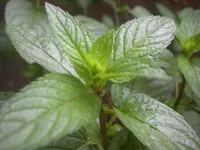
Pinch back soft stem tips every 3–4 weeks during active growth to encourage branching and create a denser, more compact plant rather than a few long, weak shoots.

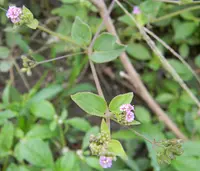
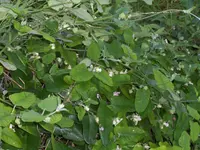
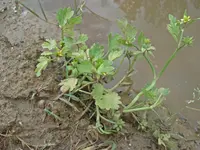
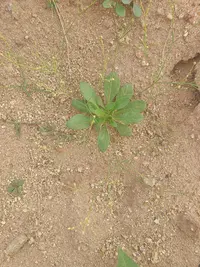
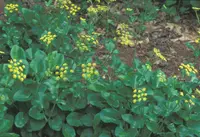
Red spiderling, Boerhavia diffusa, is a low-growing, spreading herb often found as a wild plant in warm, tropical and subtropical regions. It has slender, branching stems, small leaves, and tiny reddish to pink flowers that appear in loose clusters.
In the garden it behaves like a groundcover, filling open soil quickly and sometimes self-seeding. It is generally tough and adaptable, which makes it easy to manage where winters are mild.
This species prefers sun to light shade, well-drained soil, and moderate moisture. Understanding these simple needs helps clarify how to care for red spiderling in a home garden setting.

Care Difficulty
Easy Care

Light Preference
Full Sun

Water Requirements
Moderate Water

Temperature Preference
Tropical / Frost Sensitive

Hardiness Zone
10–12

Soil Texture
Sandy, Loamy, Organic-rich

Soil pH
Slightly acidic (6.5–7.0), Neutral (7.0)

Soil Drainage
Well-drained

Fertilization
Minimal (feed rarely)
Scan your plant to receive care tips personalized for your specific plant
Available on iOS and Android
Boerhavia diffusa grows best with bright, warm conditions that mimic an open, subtropical site.
This drought-tolerant species prefers thorough but infrequent watering once established.
This warm-season plant thrives in consistently mild to hot conditions and is sensitive to cold.
Humidity is not a critical factor for Boerhavia diffusa, which tolerates a wide range of indoor and outdoor conditions.
Boerhavia diffusa grows best in light, well-drained soil that mimics its native, often sandy habitats.
This species is suitable for container growing, especially where spreading roots or growth must be controlled.
Boerhavia diffusa is a light feeder, so modest fertilization is enough for healthy growth in most garden soils.
Boerhavia diffusa responds well to light, targeted pruning that keeps the plant compact and encourages fresh growth.
This species is more often grown in the ground, but container plants benefit from occasional repotting or careful transplanting.
Boerhavia diffusa is commonly propagated by seeds and soft stem cuttings under warm conditions.
In mild climates this plant overwinters in the ground with minimal care, but it is sensitive to hard frost and freezing.

Plant Health Check
Not sure what's wrong with your plant? Check your plant's health inside the app.
This species opens its small tubular flowers mainly at night or in the very early morning, which helps attract crepuscular and nocturnal pollinators such as moths.
It shows notable tolerance to dry, nutrient-poor, and moderately saline soils, which helps it persist in disturbed sites, roadside habitats, and semi-arid regions.
Studies have shown that its leaves contain relatively high nitrogen levels compared with many surrounding weeds, which can make its leaf litter a locally important contributor to soil nutrient cycling.

Molecular and phytochemical studies have identified a group of compounds in this species known as rotenoids, including boeravinones, which are relatively uncommon and have made the plant a frequent subject of pharmacological research worldwide.
This species spreads readily by seed and from its strong taproot, especially in warm climates and open soil. In managed beds, regular edging, mulching, and prompt removal of unwanted seedlings help keep it from becoming weedy.
Keep your plants happy and healthy with plant identification, disease detection, and easy care guidance.