Aleppo Pine Care (Pinus halepensis)

Also known as: Halepensis Pine, Jerusalem Pine
Aleppo Pine

About Aleppo Pine

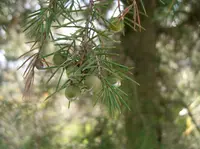
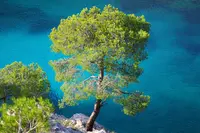
Aleppo pine, Pinus halepensis, is a Mediterranean evergreen conifer commonly used as a landscape and reforestation tree. It forms a tall, irregular crown with slender, often contorted branches and blue-green needles in pairs.

This species naturally occurs around the Mediterranean basin, thriving in dry, rocky, and coastal sites where many other trees struggle. It is adapted to hot summers, poor soils, and periodic drought, which generally makes it a resilient choice in similar climates.

In gardens, it prefers full sun, well-drained soil, and low to moderate moisture, and it dislikes waterlogged conditions. Once established, understanding how to care for Aleppo Pine mainly involves avoiding overwatering and providing enough light.

Main Plant Requirements

Care Difficulty

Moderate Care

Light Preference

Full Sun

Water Requirements

Low Water

Temperature Preference

Warm Climate

Hardiness Zone

8–10

Soil Texture

Sandy, Loamy, Rocky

Soil pH

Acidic (5.5–6.5), Slightly acidic (6.5–7.0)

Soil Drainage

Well-drained

Fertilization

Minimal (feed rarely)

Get Personalized Care Plan

Scan your plant to receive care tips personalized for your specific plant

Available on iOS and Android

How to Care for the Aleppo Pine

This Mediterranean conifer needs abundant direct sun to develop a dense, healthy crown.

  • Provide 6–10 hours of direct sun daily; full, open exposure suits Aleppo Pine best in most climates.
  • Tolerates light partial shade, especially in very hot inland areas, but consistent shade reduces growth, shortens needles, and thins the canopy.
  • In hot summers, prioritize strong morning sun with some relief from intense late-afternoon sun; young trees can scorch on reflective surfaces or against hot walls.

This drought-tolerant pine prefers deep, infrequent watering once established.

  • During the first 2–3 years in the ground, water when the top 5–8 cm of soil is dry, soaking the root zone rather than giving light surface sprinklings.
  • Mature Pinus halepensis on well-drained, sandy or rocky soil often needs supplemental water only after prolonged dry spells or visible needle droop.
  • Avoid waterlogged sites; symptoms of overwatering include yellowing needles and dieback at branch tips, while persistent curl and browning at needle ends signal chronic dryness.

This species thrives in warm, dry climates and tolerates substantial heat once established.

  • Optimal growth occurs around 65–85°F (18–29°C), particularly in spring and early summer when soil moisture is moderate.
  • Mature trees usually tolerate brief drops to about 15–20°F (-9 to -6°C); younger plants are more frost-sensitive and benefit from shelter in cold, exposed positions.
  • Handles hot spells above 95°F (35°C) if roots are mulched and soil drains well, but combined extreme heat and drought can cause needle browning and tip dieback.

This species tolerates a broad humidity range and rarely needs special humidity management indoors or outdoors.

Pinus halepensis prefers mineral, freely draining soils that prevent waterlogging around the roots.

  • Use a sandy or sandy-loam mix with coarse mineral content such as sharp sand, fine grit, and a small amount of composted bark.
  • Aim for slightly acidic to neutral pH around 6.0–7.5, avoiding strongly acidic or saline conditions that stress roots.
  • Improve aeration by including 30–50% coarse particles (pumice, perlite, grit) so water passes through within seconds of watering.
  • Avoid heavy clay, peat-heavy, or compacted mixes that stay wet for more than 1 day after thorough watering.

This pine can be grown in containers, especially as a young tree or bonsai-style specimen.

  • Choose a wide, heavy container to stabilize the tall, wind-sensitive crown and prevent tipping in exposed sites.
  • Select a deep pot that allows a strong taproot and lateral roots to extend without circling tightly in the first years.
  • Use a rigid material such as ceramic or thick-walled plastic to limit overheating and rapid moisture loss on hot, exposed patios.

This Mediterranean conifer needs minimal feeding in most soils, but light fertilization can support young Aleppo Pine in poor or very sandy sites.

  • Use a balanced slow-release NPK fertilizer or well-rotted compost once in early spring for young or container-grown trees.
  • Apply at 1/2 strength of label recommendation to avoid excessive, weak growth and salt buildup.
  • Skip feeding on fertile ground and reduce or stop applications from late summer through winter dormancy.
  • Water thoroughly after fertilizing so nutrients move into the root zone without scorching roots.

Pruning for Pinus halepensis focuses on safety and structure rather than cosmetic shaping.

  • Carry out pruning in late winter to early spring before active growth begins.
  • Remove dead, diseased, storm-damaged, or rubbing branches with clean, sharp bypass pruners or a pruning saw.
  • Thin crowded interior branches lightly to improve airflow while keeping the natural open crown form.
  • Avoid cutting back into older bare wood; shorten only younger shoots to guide shape and maintain strong structure.

Pinus halepensis is usually grown in the ground; transplanting young trees carefully is more important than frequent repotting.

  • Transplant in late winter to early spring when growth is slow and soil is workable.
  • Look for signs like roots circling the pot, water running off quickly, or stalled growth in container seedlings.
  • Move up only 1 pot size, keep the root ball intact, and gently loosen just the outer circling roots.
  • Plant at the same depth in a well-drained, sandy soil, water deeply, then shade lightly for 1–2 weeks to reduce stress.

Propagation of Pinus halepensis is done mainly from seed rather than cuttings.

  • Collect mature cones, then extract seeds and store cool and dry until sowing.
  • Sow seeds in late winter to early spring in a gritty, well-drained mix under bright light.
  • Provide 60–70°F, good airflow, and consistent but light moisture to support germination.
  • Use deep containers or trays so taproots develop straight, then transplant seedlings carefully once roots hold the mix.

This species is relatively cold hardy in mild winter climates and usually needs little special winter care once established.

  • Mature trees tolerate light frost but can be damaged by prolonged freezes below about 15–20°F.
  • Apply a 5–8 cm mulch layer around the root zone in fall, keeping it away from the trunk base.
  • Move young container plants to a frost-free but bright, cool spot or a sheltered wall in colder regions.

Care Tips

Wind-shaping management

In very windy sites, install a temporary windbreak and stake only on the windward side for the first 1–2 years, then remove supports so the tree develops a strong, flexible trunk adapted to coastal or exposed conditions.

Drought-hardening routine

From the second or third year, gradually increase the interval between deep waterings in late spring so roots are encouraged to grow deeper, which improves long-term drought tolerance in dry climates.

Firewise crown lifting

In fire-prone areas, begin raising the crown by selectively removing the lowest, weakest branches once the tree is established, keeping at least 2/3 of total height in live crown to reduce ladder fuels without stressing the tree.

Resin-monitoring checks

Inspect pruning cuts and minor bark wounds for steady, amber resin flow, since a sudden lack of resin or very watery exudate can indicate stress or borer activity and should prompt closer inspection for pests.

Mycorrhiza-friendly zone

When mulching or planting companions near the root zone, avoid frequent soil disturbance and broad-spectrum fungicides so beneficial mycorrhizal fungi can establish and support nutrient and water uptake when growing Aleppo Pine.

Common Pests and Diseases

Pine processionary moth

This pest attacks needles, causing defoliation and branch weakening, and the caterpillars have irritating hairs that can affect people and pets. Symptoms include nests of white silk on branches and bare, browning shoot tips.

Solution

Remove and destroy visible silk nests during the cooler months before caterpillars leave the tree, using protective clothing and avoiding direct contact. For larger trees or heavy infestations, use a licensed arborist to place pheromone traps or apply targeted biological treatments such as Bacillus thuringiensis at the correct seasonal window.

Pine needle scale

These insects feed on needles, leading to yellowing, early needle drop, and a generally thinned crown. This pest appears as small white, oval, crust-like spots lined along the needles and may be accompanied by sooty mold on nearby surfaces.

Solution

Prune and dispose of heavily infested branches and improve tree vigor through proper watering and reduced stress. For active infestations, use horticultural oil sprays during the crawler stage, ensuring thorough coverage of needles and repeating as needed according to label directions.

Diplodia tip blight

This disease infects new shoots and cones, causing stunted, brown needles and dead shoot tips, especially in the lower crown. Symptoms include resin-soaked, dead buds and needles that turn brown from the base outward while remaining attached.

Solution

Prune out and discard infected shoots, cones, and dead branches during dry weather, and avoid overhead watering that keeps foliage wet. Improve airflow around the tree, reduce stress from soil compaction or drought, and where the disease is recurrent, consult a professional about preventive fungicide applications at bud break.

Needle cast

This disease causes needles to discolor, often turning yellow to reddish-brown, and then drop prematurely from the inner parts of the branches. Symptoms include thin foliage, small black fruiting bodies on dead needles, and a see-through appearance in the canopy.

Solution

Rake up and remove fallen needles to reduce the source of infection and avoid dense planting that limits air movement. In areas with repeated problems, consider professional application of fungicides timed to protect new needles during wet spring periods and maintain overall tree health through appropriate watering and mulching.

Bark beetles

These insects bore into the trunk and branches, disrupting water and nutrient flow and sometimes killing stressed trees. Symptoms include small round exit holes in bark, fine boring dust at the base, and patches of fading or reddening needles in parts of the crown.

Solution

Maintain strong tree vigor through avoidance of drought stress and mechanical damage, since healthy trees resist attack more effectively. Remove and properly dispose of severely infested or dead material and, in regions with high bark beetle pressure, consult a certified arborist about trapping or preventive trunk treatments for high-value trees as part of broader Pinus halepensis care instructions.

Interesting Facts

Fire-adapted regeneration

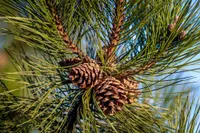
This species has serotinous cones, meaning many cones stay closed for years and only open widely after exposure to the heat of a fire, releasing large numbers of seeds onto freshly cleared soil.

Key Mediterranean colonizer

It is one of the main pioneer trees on poor, rocky, or disturbed soils around the Mediterranean Basin, quickly stabilizing slopes and creating shade that allows more demanding plant species to establish later.

High salt and drought tolerance

Aleppo pine shows strong physiological adaptations to drought and coastal conditions, including thick cuticles and efficient stomatal control, which allow it to survive on very limited water and tolerate salty sea winds.

Botan icon

Did you know?

Aleppo pine wood was historically used to produce resin for making rosin and turpentine, and in parts of Greece its resin is still used today to flavor retsina wine, giving this conifer a long-standing cultural and economic role in traditional Mediterranean products.

FAQs about Aleppo Pine

Container growing is possible when the tree is kept small, using a deep, well‑drained pot and gritty mix. Regular root pruning and repotting every 2–3 years are essential, or the plant becomes rootbound and declines.

Grow Healthy Plants with Botan Care

Keep your plants happy and healthy with plant identification, disease detection, and easy care guidance.

Botan plant care app — identify plants on mobile

Explore More Plants