wonderbean Care (Canavalia ensiformis)

Also known as: Jack Bean, Ash Bean
wonderbean

About wonderbean

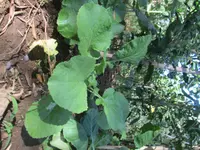
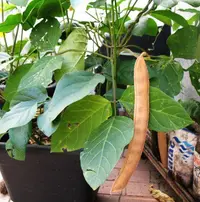
Wonderbean, Canavalia ensiformis, is a fast-growing tropical legume often grown as a cover crop or green manure rather than as an ornamental plant. It forms vigorous climbing or sprawling vines with thick stems, trifoliate leaves, and large pods containing chunky seeds.

In nature it occurs in tropical and subtropical regions, especially in Central and South America, and is now cultivated in many warm climates. The plant is valued for nitrogen fixation, which improves soil fertility and makes it useful in sustainable farming systems.

For home growers, it is relatively undemanding but needs warmth, sun, and well-drained soil, so success largely depends on climate. Gardeners who understand how to care for wonderbean usually find it straightforward in suitable outdoor conditions.

Main Plant Requirements

Care Difficulty

Moderate Care

Light Preference

Full Sun

Water Requirements

Regular Water

Temperature Preference

Tropical / Frost Sensitive

Hardiness Zone

10–12

Soil Texture

Sandy, Loamy, Organic-rich

Soil pH

Acidic (5.5–6.5), Slightly acidic (6.5–7.0)

Soil Drainage

Well-drained

Fertilization

Light (every 4–6 weeks)

Get Personalized Care Plan

Scan your plant to receive care tips personalized for your specific plant

Available on iOS and Android

How to Care for the wonderbean

This warm-season legume grows best in full sun but tolerates light shade in hot climates.

  • Provide 6–8 hours of direct sun daily; in very hot regions, give wonderbean morning sun with light afternoon shade to reduce leaf scorch.
  • In field conditions, choose an open, unshaded site; along fences or trellises, avoid dense overhead tree cover that cuts direct light below about 4 hours.
  • Expect slower growth and fewer pods in partial shade; in late summer or cloudy periods, prioritize maximum sun exposure by limiting competition from taller plants nearby.

This species prefers evenly moist, well-drained soil rather than constant saturation.

  • Water when the top 3–5 cm of soil feels dry, aiming for deep soaking that moistens the root zone rather than frequent light splashes.
  • In the field, ensure Canavalia ensiformis grows on soil with good drainage or raised beds to prevent standing water, yellowing leaves, and root rot.
  • During hot, dry spells, monitor for wilting or dull, folding leaves as a sign to irrigate; reduce watering in cooler weather when growth slows and soil dries more slowly.

This tropical legume needs warm conditions and does poorly in cold or frost.

  • Optimal growth occurs at 75–90°F (24–32°C); germination and early growth are slow if soil stays below about 65°F (18°C).
  • Plants are damaged near 40°F (4°C) and killed by frost, so sow or transplant only after all frost risk has passed and nights are consistently warm.
  • In hot summers above 95°F (35°C), growth may pause; maintain soil moisture and, if possible, slight afternoon shade to limit heat stress on flowers and pods.

This species grows well in typical indoor humidity but benefits from slightly moist air in dry homes.

  • Aim for 40–60% relative humidity for steady growth and flowering.
  • Plants tolerate short dry spells, but prolonged air under 30% can slow growth and crisp leaf edges.
  • If air is very dry, group wonderbean with other plants or place the pot on a pebble tray with water below the pot base.

This species prefers loose, well-drained, moderately fertile soil for rapid root and vine development.

  • Use a loamy, slightly sandy mix with 30–40% compost to provide structure and nutrients without becoming heavy.
  • Ensure sharp drainage with at least 20–30% coarse sand or perlite so water moves through the root zone quickly.
  • A slightly acidic to neutral pH of 6.0–7.0 suits Canavalia ensiformis, supporting nutrient uptake and nodule formation on roots.
  • Avoid compacted clay, waterlogged beds, or heavy peat-based mixes that stay wet, as these restrict aeration and promote root rot.

This species is suitable for container growing when given enough root depth and firm support.

  • Choose a deep, heavy pot that resists tipping once the vine and pods make the plant top-heavy.
  • Fill with a free-draining mix and elevate the container slightly so drainage holes never sit in collected water.
  • Position a trellis or stake directly in the pot to stabilize the vine and reduce leverage on the container in wind.

Canavalia ensiformis grows vigorously in average, moderately fertile soil but responds well to balanced feeding in poor ground or containers.

  • Use a balanced NPK granular fertilizer or well-rotted compost at planting to support early vegetative growth when growing wonderbean.
  • During the warm growing season, feed every 4–6 weeks with a balanced or slow-release fertilizer, following label rates and avoiding overapplication.
  • In containers, use a half-strength balanced liquid feed every 3–4 weeks if growth looks pale or weak, then taper off by late summer.
  • Stop feeding in late fall and winter, as plants are declining or dormant and excess nutrients are not effectively used.

Pruning Canavalia ensiformis is mainly helpful for managing size, renewing growth, and keeping vines tidy.

  • Carry out light pruning in late winter or early spring before new growth starts, removing dead, damaged, or diseased stems with clean shears.
  • Thin out crowded or tangled shoots during the growing season to improve air flow and light penetration along the vine.
  • Shorten excessively long runners to encourage branching and a fuller, more compact habit on trellises or fences.
  • Disinfect cutting tools between plants to reduce the risk of spreading fungal or bacterial issues.

This vigorous annual or short-lived vine is more often transplanted outdoors than repotted long-term in containers.

  • Transplant seedlings once they have several true leaves and soil has warmed in late spring, as cold soil slows establishment and growth.
  • Look for roots circling the plug or container holes, or stalled growth, as signals that young plants should be moved into the ground or a larger pot.
  • Space transplants to allow strong vine development, setting them at the same depth as in the pot and firming soil gently around the root zone.
  • Water thoroughly after transplanting and keep soil evenly moist for 1–2 weeks to limit transplant shock and encourage rapid root extension.

Canavalia ensiformis is most commonly propagated from seed, which germinates reliably under warm, moist conditions.

  • Sow seeds in spring once frost risk has passed and soil temperatures are consistently warm, or start indoors 3–4 weeks earlier.
  • Scarify hard seed coats by lightly nicking with a file or soaking in warm water for 12–24 hours to speed and even out germination.
  • Plant seeds 2–3 cm deep in a well-drained seed-starting mix, keeping the medium moist but not waterlogged until sprouts emerge.
  • Provide bright light and moderate warmth after germination, then harden off seedlings gradually before planting outdoors to avoid shock.

This species is frost sensitive and usually grown as a warm-season annual, so winter care focuses on end-of-season management.

  • Expect foliage to die back after the first hard frost, at which point vines can be cut down and removed or composted if disease free.
  • In cooler regions, use the plant as a seasonal crop rather than attempting overwintering outdoors in the ground.
  • Container-grown plants in mild climates can be moved to a bright, frost-free space above 50°F, with reduced watering until growth resumes.

Care Tips

Early support setup

Install sturdy trellises, netting, or wires at sowing time so vines can climb immediately, which reduces stem damage and tangling as plants gain size and weight.

Root zone mulching

Apply a 3–5 cm layer of clean straw or shredded bark around the base to keep the root zone cooler, reduce soil splash that spreads disease, and stabilize moisture between irrigations.

Preventive pest scouting

Inspect the undersides of leaves and young shoots at least weekly for beetles, caterpillars, and aphids, and spot-treat early with insecticidal soap or hand removal before populations build up.

Timely pod harvesting

Pick young, tender pods frequently as they reach usable size to encourage continued flowering, prevent seed overmaturity, and reduce the risk of pod-borne fungal issues.

Rotation and residue management

Rotate planting sites every 2–3 years and remove old vines and pods at season’s end to limit soilborne disease buildup, which is especially important when growing wonderbean repeatedly in the same garden.

Common Pests and Diseases

Leaf spot

This disease causes small, brown to dark-purple spots on leaves that can enlarge and merge, leading to premature yellowing and drop of leaflets. Symptoms include more severe damage in warm, humid, crowded plantings.

Solution

Remove and destroy affected leaves to reduce inoculum, avoid overhead watering, and space plants to improve airflow. If conditions stay wet and disease progresses, apply a copper-based or chlorothalonil fungicide labeled for beans, following all label directions carefully as part of broader Canavalia ensiformis plant care.

Powdery mildew

This disease appears as white, powdery coatings on upper leaf surfaces, which can cause leaf yellowing, curling, and reduced pod production. Symptoms include faster spread in warm conditions with dry foliage but poor air circulation.

Solution

Increase spacing and airflow, avoid excess nitrogen fertilization, and remove heavily infected leaves. If needed, treat early with a sulfur or potassium bicarbonate product labeled for edible legumes, ensuring thorough coverage of both leaf surfaces.

Bean rust

This disease produces small, raised, reddish-brown pustules on leaves and sometimes pods, often surrounded by yellow halos. Symptoms include reduced vigor and early leaf drop when infections are heavy.

Solution

Promptly remove and destroy infected leaves, avoid overhead irrigation, and rotate away from other legume crops for at least 2–3 years. In severe or recurrent cases, use a labeled protectant fungicide such as chlorothalonil at the first sign of pustules, repeating as directed by the label.

Pod borers

These insects are caterpillars that tunnel into developing pods, feeding on seeds and leaving frass and small entry holes. Symptoms include misshapen pods, poor seed set, and premature pod drying.

Solution

Handpick and destroy damaged pods where practical and remove nearby weeds that may host the moths. In outdoor plantings, use fine mesh row covers before flowering if pollination can be managed, and apply a biological control product containing Bacillus thuringiensis (Bt) to young larvae according to label directions.

Bean aphids

These insects cluster on tender shoots and undersides of leaves, sucking sap and causing curling, distortion, and sticky honeydew deposits that can lead to sooty mold. This pest can also weaken plants and may transmit viral diseases.

Solution

Dislodge colonies with a firm stream of water and prune heavily infested shoot tips. For larger populations, use insecticidal soap or horticultural oil, ensuring good coverage of leaf undersides and repeating at 5–7 day intervals as needed, while encouraging natural predators such as lady beetles by avoiding broad-spectrum insecticides.

Interesting Facts

Nitrogen-fixing green manure

Jack bean is widely used as a green manure and cover crop because its root nodules house nitrogen-fixing bacteria that enrich poor or degraded soils.

Natural nematode suppressor

This species produces compounds that help suppress certain plant-parasitic nematodes in the soil, so it is sometimes planted in rotation to reduce nematode pressure in crops.

High-protein seed resource

Its large seeds are rich in protein and have been studied as a potential food and feed source, but they must be thoroughly processed to remove toxic constituents such as canavanine.

Botan icon

Did you know?

The jack bean was one of the first plants used to purify and study the enzyme urease at the beginning of modern biochemistry, and that enzyme later became a classic model system in enzyme research.

FAQs about wonderbean

Yellowing leaves usually result from waterlogging, nutrient deficiency, or natural aging of older foliage. Check drainage first, then consider a balanced fertilizer. Also review light and temperature stress, root damage, and possible root‑rot or pest issues.

Grow Healthy Plants with Botan Care

Keep your plants happy and healthy with plant identification, disease detection, and easy care guidance.

Botan plant care app — identify plants on mobile

Explore More Plants