Firm Soil Collar
After transplanting seedlings outdoors, press soil gently but firmly around each stem to create a stable collar that reduces wind rock and encourages stronger root anchorage for heavier heads.

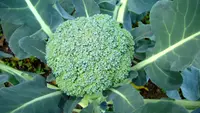
Mustard, grown as Brassica oleracea var. italica, is a cool-season annual vegetable in the cabbage family. It is typically grown for its dense flowering heads and tender leaves.
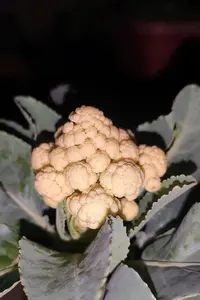
Plants form sturdy, upright stems with thick, lobed foliage and compact clusters of unopened flower buds that are harvested before they open. The overall habit is bushy but relatively short-lived.
This crop likely traces its origins to Mediterranean regions and is now cultivated widely in temperate climates. It is generally easy to grow if provided with cool weather, consistent moisture, and fertile, well-drained soil.
Gardeners who learn how to care for Mustard often find it a reliable choice for home vegetable beds and containers, especially in spring and fall plantings.

Care Difficulty
Moderate Care

Light Preference
Full Sun

Water Requirements
Keep Soil Moist

Temperature Preference
Cool Climate

Hardiness Zone
2–11

Soil Texture
Sandy, Loamy, Organic-rich

Soil pH
Acidic (5.5–6.5), Slightly acidic (6.5–7.0)

Soil Drainage
Moist but well-drained

Fertilization
Moderate (every 2–4 weeks)
Scan your plant to receive care tips personalized for your specific plant
Available on iOS and Android
This cool-season vegetable needs consistent sun to form firm, full heads.
This plant prefers steadily moist, well-drained soil to avoid stress and poor head formation.
Stable, cool temperatures support strong growth and tight head development.
This plant grows best in relatively dry to moderate outdoor air and rarely needs humidity adjustment.
This plant prefers loose, moist, well-drained soil with high organic matter.
This species can be grown in containers if the pots are large, deep, and stable enough for its leafy, top-heavy growth.
Brassica oleracea var. italica responds well to steady nutrition for strong heads and side shoots.
Pruning Brassica oleracea var. italica is minimal and focuses on harvest management and plant health.
Brassica oleracea var. italica is usually started in trays or pots, then transplanted once seedlings are sturdy.
New Brassica oleracea var. italica plants are most commonly raised from seed for uniform crops.
This cool-season crop is quite frost tolerant but still benefits from simple winter management in cold climates.

Plant Health Check
Not sure what's wrong with your plant? Check your plant's health inside the app.
The part commonly eaten is the dense cluster of immature flower buds and young flower stalks, harvested before the yellow flowers open.
This plant is adapted to cool-season growth and can tolerate light frosts during its vegetative stage, which often improves head quality and flavor.
Crushed seeds and young tissues release a sharp sulfurous smell due to glucosinolates, sulfur-containing compounds involved in plant defense against insects and pathogens.

Modern broccoli was developed in Italy from ancient Mediterranean wild cabbage forms and was selectively bred for centuries before becoming widely known outside Europe only in the 20th century.
Yes, both leaves and seeds are edible and widely used in cooking. Young leaves are milder and eaten fresh or cooked, while seeds flavor condiments and pickles. Always avoid plants exposed to roadside pollution or chemical sprays.
Keep your plants happy and healthy with plant identification, disease detection, and easy care guidance.