Deep root training
In the first 2–3 years, water less often but very deeply to encourage a strong taproot, which improves drought tolerance and long-term stability when growing imbu in dry regions.

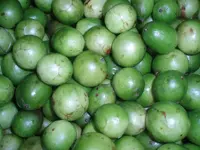
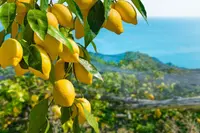
Imbu, Spondias tuberosa, is a drought-tolerant fruit tree native to Brazil’s semi-arid Caatinga region. It forms a small to medium tree with a thick, water-storing trunk and an extensive root system. The foliage is deciduous, with compound leaves that drop in the dry season, and it produces oval yellow fruits valued for fresh eating and drinks. This species is adapted to heat, poor soils, and irregular rainfall, which can make it resilient but slower to establish in cooler or wetter climates. It generally prefers full sun, good drainage, and dry to moderately moist conditions, which guides how to care for imbu in home gardens or small orchards.

Care Difficulty
Moderate Care

Light Preference
Full Sun

Water Requirements
Low Water

Temperature Preference
Tropical / Frost Sensitive

Hardiness Zone
10–12

Soil Texture
Sandy, Loamy, Rocky

Soil pH
Acidic (5.5–6.5), Slightly acidic (6.5–7.0)

Soil Drainage
Well-drained

Fertilization
Minimal (feed rarely)
Scan your plant to receive care tips personalized for your specific plant
Available on iOS and Android
Spondias tuberosa thrives in strong light typical of dry tropical and subtropical climates.
Spondias tuberosa is drought-tolerant but still needs thoughtful watering during establishment and fruiting.
This species prefers warm, semi-arid conditions and is sensitive to cold, especially when young.
This dryland fruit tree tolerates low humidity and rarely needs special air moisture management when grown outdoors.
Spondias tuberosa prefers light, fast-draining, slightly sandy substrates that do not stay wet after irrigation or rain.
This species can be grown in containers, provided the pot is managed to support its deep, spreading root system.
This drought-adapted fruit tree needs only modest feeding when grown in managed conditions, especially in poor or sandy soils.
Thoughtful pruning keeps Spondias tuberosa structurally sound and easier to harvest while maintaining good light penetration.
This species is usually field-grown, so the main focus is on transplanting young trees rather than long-term container culture.
Propagation of this dryland fruit tree is typically done by seeds or hardwood cuttings under warm conditions.
This warm-climate tree is sensitive to hard frost and benefits from protection in regions with cold winters.

Plant Health Check
Not sure what's wrong with your plant? Check your plant's health inside the app.
This tree forms large, water-storing tuberous roots that can extend several meters underground, an adaptation to survive the long dry seasons of Brazil’s semi-arid Caatinga biome.
Its small yellow fruits often mature at the peak of the dry season, providing food and moisture for local people, livestock, and wildlife when other resources are scarce.
In parts of northeastern Brazil it acts as a keystone species, supporting local agroforestry systems, stabilizing soils, and helping regenerate degraded dryland habitats.

In traditional dryland farming systems of northeastern Brazil, individual trees are sometimes protected for decades within fields and pastures, creating scattered orchard-like landscapes where farmers selectively encourage and manage the species rather than planting conventional orchards.
Yes, this species can grow in large, deep containers, especially in its early years. Use a sturdy pot, very well-drained soil, and regular root pruning if needed, otherwise the developing taproot and size will outgrow the container.
Keep your plants happy and healthy with plant identification, disease detection, and easy care guidance.