Cynometra cauliflora Care

Cynometra cauliflora

About Cynometra cauliflora

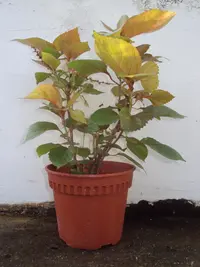
Cynometra cauliflora, often called nam-nam, is a small tropical fruit tree from Southeast Asia, especially Malaysia and Indonesia. It belongs to the legume family and bears its fruits directly on the trunk and main branches, a trait known as cauliflory.

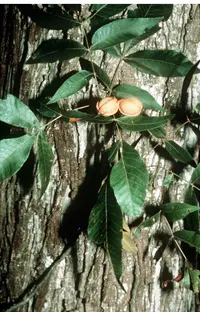
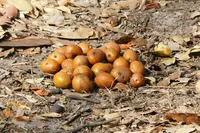
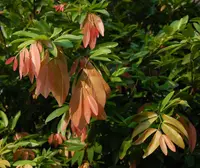
The tree has a dense, rounded crown with glossy green leaves and irregular, ridged fruits that turn yellowish-brown when mature. Its growth is naturally compact compared with many tropical fruit trees.

This species prefers warm, humid, frost-free climates, with consistently moist but well-drained soil and good light. In suitable conditions, it is moderate in difficulty, and learning how to care for Cynometra cauliflora mainly involves meeting its warmth and moisture needs.

Main Plant Requirements

Care Difficulty

Moderate Care

Light Preference

Partial Shade

Water Requirements

Regular Water

Temperature Preference

Tropical / Frost Sensitive

Hardiness Zone

11–12

Soil Texture

Sandy, Loamy, Organic-rich

Soil pH

Acidic (5.5–6.5), Slightly acidic (6.5–7.0)

Soil Drainage

Moist but well-drained

Fertilization

Minimal (feed rarely)

Get Personalized Care Plan

Scan your plant to receive care tips personalized for your specific plant

Available on iOS and Android

How to Care for the Cynometra cauliflora

This tropical tree prefers bright, warm conditions with filtered light rather than harsh, direct sun.

  • Provide 4–6 hours of bright, indirect light or light dappled shade; morning sun with afternoon shade suits Cynometra cauliflora in most warm climates.
  • In hot regions, shield from strong midday and late-afternoon sun to prevent leaf scorch and drying of young shoots.
  • In cooler or overcast seasons, allow a bit more direct morning sun, but avoid moving plants abruptly from shade to full sun to reduce stress.

This species favors consistently moist, well-drained soil without long periods of drought or saturation.

  • Water when the top 3–5 cm of soil feel slightly dry, aiming for moist, crumbly soil rather than soggy conditions.
  • Ensure deep watering so moisture reaches the root zone, then let excess drain; yellowing, soft leaves often signal overwatering, while curling or brittle leaves indicate underwatering.
  • During hot, dry seasons, expect to water more often; reduce frequency during cooler or rainy periods while still preventing the soil from fully drying out.

This lowland tropical tree needs warm, frost-free conditions to stay healthy and productive.

  • Aim for 70–86°F (21–30°C) as the main growing range, which supports steady growth and flowering.
  • Avoid exposure below 50°F (10°C); brief dips to 45°F (7°C) may be survived but can slow growth and damage young tissue.
  • Protect from frost at all times and from extreme heat above 95°F (35°C) by providing shade and sufficient soil moisture during hot spells.

This tropical species prefers consistently warm, moderately humid air to support healthy foliage and fruiting.

  • Aim for 60–80% humidity, as sustained levels below 40% often lead to leaf-edge browning and slowed growth.
  • Expect increased leaf drop, curling, and tender new growth drying out when exposed to prolonged dry indoor air or strong heating vents.
  • Increase humidity with group plantings, a wide pebble tray kept wet below the pot base, or a room humidifier near the canopy.

This species performs best in deep, moist, well-aerated soil that drains freely yet retains some consistent moisture.

  • Use a loamy, organic-rich mix such as 50% composted bark or leaf mold, 30% coarse sand, and 20% perlite for structure and airflow.
  • Ensure rapid drainage; water should pass through the root zone within seconds, not pool on the surface or in the saucer.
  • Keep pH slightly acidic to neutral, around 6.0–7.0, avoiding highly alkaline conditions that can limit nutrient uptake and cause chlorosis.
  • Avoid heavy clay, compacted ground, or mixes with high peat and no coarse fraction, which restrict oxygen and increase root-rot risk for Cynometra cauliflora.

This tree can be grown in large containers for some years if the pot setup supports its developing root system and weight.

  • Choose a wide, heavy container to counteract wind and canopy weight, reducing the risk of tipping as the trunk thickens.
  • Select a deep pot that allows a pronounced taproot and strong lateral roots to extend downward rather than circling densely near the surface.
  • Use thick-walled clay or concrete pots outdoors in hot climates to moderate root-zone temperature swings and slow moisture loss slightly.

Nutrient inputs support steady growth and fruiting of Cynometra cauliflora in cultivation, especially in containers or poor soils.

  • Use a balanced slow-release fertilizer (around 10-10-10) or well-rotted compost at the start of the warm growing season.
  • Feed every 6–8 weeks during active growth, adjusting down if planted in rich ground soil.
  • Apply at half the label strength for young or container plants to reduce salt buildup and root burn risk.
  • Stop or reduce feeding sharply in cooler months when growth slows, focusing instead on even watering and soil health.

Pruning helps maintain structure, light penetration, and safe size in Cynometra cauliflora trees.

  • Plan main structural pruning for late dry season or late winter before vigorous new growth begins.
  • Remove dead, diseased, crossing, or rubbing branches first, cutting back to healthy wood with clean bypass pruners or a sharp saw.
  • Thin congested interior shoots to improve airflow and light, which supports healthy foliage and flowering sites.
  • Limit heavy heading cuts; instead, shorten or redirect long shoots to maintain a balanced canopy and strong framework.

This species is usually grown in the ground; focus on careful transplanting or early container shifts to limit root disturbance.

  • Transplant young Cynometra cauliflora trees at the start of the warm, rainy season to encourage rapid root re-establishment.
  • Look for signs such as circling roots, roots emerging from drainage holes, or slowed top growth to decide on moving container plants.
  • Shift to a container or planting hole only 1–2 sizes larger, using a deep, freely draining, organic-rich mix to support taproot development.
  • Water thoroughly after planting, shade for 1–2 weeks if sun is intense, and keep soil evenly moist to minimize transplant shock.

Propagation of Cynometra cauliflora is possible but mainly done from seed under warm, controlled conditions.

  • Sow fresh, viable seeds in late spring or early summer in a deep tray with well-drained, slightly acidic medium.
  • Scarify thick seed coats lightly and soak seeds 12–24 hours to speed and even out germination.
  • Maintain 75–85°F and steady moisture, avoiding waterlogging, until seedlings emerge and form several true leaves.
  • Move young plants carefully into deeper containers once roots develop, keeping handling of the taproot to an absolute minimum.

This tropical tree is frost sensitive and needs protection in regions with cool or freezing winters.

  • In areas below 40°F, grow Cynometra cauliflora in large containers so it can be moved indoors or to a heated greenhouse.
  • Maintain indoor winter temperatures above 55–60°F with bright light and reduced but consistent watering.
  • For in-ground trees in marginal climates, mulch the root zone 5–8 cm deep, keeping mulch slightly away from the trunk.

Care Tips

Early structural training

In the first 2–3 years, select 3–5 evenly spaced main branches and remove competing, crossing, or very low shoots to build a strong open framework that can support future cauliflorous fruit along the trunk.

Trunk access management

Maintain a clean, weed‑free ring of 30–60 cm around the base and avoid dense understory planting so the trunk remains accessible for inspecting and harvesting the cauliflorous pods directly from the main stem.

Wind and load support

In exposed sites, install a sturdy stake or short tripod support during the juvenile stage and remove it gradually once the trunk lignifies enough to carry the weight of future fruit crops without leaning.

Targeted mulching practice

Use a 5–8 cm layer of coarse organic mulch in a wide disk under the canopy, but keep it 10–15 cm away from the trunk to stabilize soil moisture, protect surface feeder roots, and reduce competition without increasing trunk rot risk when growing Cynometra cauliflora.

Preventive pod sanitation

Promptly remove and destroy any malformed, rotting, or insect‑damaged pods from the trunk and soil surface to reduce breeding sites for fruit borers and fungal spores that can quickly spread along the bark.

Common Pests and Diseases

Pod borer larvae

This pest tunnels into young pods and seeds, causing premature fruit drop and reduced yield. Symptoms include small entry holes, frass (sawdust-like droppings), and distorted or empty pods.

Solution

Collect and destroy infested pods promptly to break the life cycle, and prune to maintain an open canopy for better light and air. In small-scale plantings, hand-pick larvae where visible and use targeted biological products containing Bacillus thuringiensis (Bt) on young pods during flowering and early pod set, following label directions.

Leaf-eating caterpillars

These insects chew irregular holes in foliage and sometimes young shoots, which can slow growth in young trees. Symptoms include skeletonized leaves, missing leaf sections, and visible green or brown caterpillars on the canopy.

Solution

Inspect foliage regularly, especially flushes of new leaves, and remove caterpillars by hand where practical. Encourage natural predators such as birds by maintaining diverse plantings nearby, and only use a selective biological product like Bt on heavy infestations to avoid harming beneficial insects.

Scale insects

This pest feeds on sap along stems and leaf undersides, causing yellowing, leaf drop, and general decline in vigor. Symptoms include small shell-like bumps and sticky honeydew that may lead to sooty mold growth on leaves and branches.

Solution

Wipe or gently scrub affected stems and leaves with a soft cloth or brush dipped in mild soapy water, then rinse with clean water. For larger trees, apply a lightweight horticultural oil during cooler parts of the day to smother scales, repeating as needed and monitoring for ant activity that may protect the insects.

Anthracnose leaf spot

This disease causes dark, irregular spots on leaves that can enlarge and coalesce, sometimes leading to premature leaf drop. Symptoms include tan to dark brown lesions often starting along veins or leaf margins, especially in warm, humid weather.

Solution

Prune out and dispose of heavily infected twigs and fallen leaves to reduce the source of spores, and maintain an open canopy for good airflow. Avoid overhead watering, and in areas with recurring problems consider applying a copper-based fungicide at the start of the rainy season according to label instructions as part of broader Cynometra cauliflora care instructions.

Stem canker

This disease produces sunken, cracked areas on branches or the main stem, which can girdle tissues and cause dieback above the affected zone. Symptoms include discolored bark, oozing sap in humid conditions, and progressive branch decline.

Solution

Cut out affected branches well below visible symptoms using clean, sharp tools, and disinfect tools between cuts with a 10% bleach solution or 70% alcohol. Improve tree vigor with consistent watering and balanced fertilization, avoid trunk injuries, and in wet tropical areas choose planting sites with good drainage and air movement to reduce infection pressure.

Interesting Facts

Cauliflorous fruiting habit

This tree produces its pods directly on the trunk and main branches, a growth pattern called cauliflory that makes the fruit accessible to ground-dwelling animals for seed dispersal.

Distinctive gnarled pods

The edible pods are thick, hard, and irregularly swollen with deep grooves, which has led to common names like nam-nam and namu-namu in Southeast Asia.

Narrow native range

The species is naturally found in lowland forests of Peninsular Malaysia and parts of Indonesia, where it typically grows in humid, tropical conditions near villages and secondary forests.

Botan icon

Did you know?

The seeds of this species were historically used as a minor food source and are sometimes roasted and eaten, although the plant is now grown mainly as a backyard fruit tree and curiosity for its unusual trunk-borne pods.

FAQs about Cynometra cauliflora

This tree can be container-grown when young if the pot is large, deep, and heavy. Use a well-drained, fertile mix and repot gradually. Long term, it usually performs better planted in the ground in warm climates.

Grow Healthy Plants with Botan Care

Keep your plants happy and healthy with plant identification, disease detection, and easy care guidance.


Botan plant care app — identify plants on mobile

Explore More Plants