red huckleberry Care (Vaccinium parvifolium)

red huckleberry

About red huckleberry

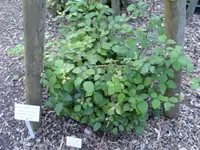
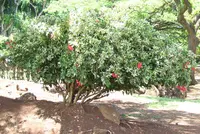
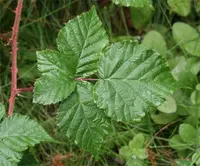
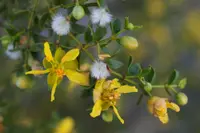
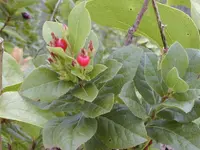
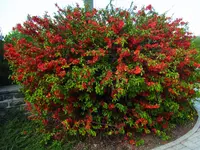
Red huckleberry, Vaccinium parvifolium, is a deciduous shrub in the heath family, valued for its fine branching and bright red, edible berries. It usually grows with an airy, open form and small, light green leaves that give it a delicate appearance in the landscape.

This species is native to the Pacific Northwest of North America, where it often grows on forest edges, rotting logs, and shaded slopes. It prefers cool, moist conditions and acidic, well-drained soil, so understanding how to care for red huckleberry starts with matching these natural conditions.

Main Plant Requirements

Care Difficulty

Moderate Care

Light Preference

Partial Shade

Water Requirements

Regular Water

Temperature Preference

Cold Hardy

Hardiness Zone

6–9

Soil Texture

Sandy, Loamy, Organic-rich

Soil pH

Strongly acidic (4.5–5.5), Acidic (5.5–6.5)

Soil Drainage

Moist but well-drained

Fertilization

Minimal (feed rarely)

Get Personalized Care Plan

Scan your plant to receive care tips personalized for your specific plant

Available on iOS and Android

How to Care for the red huckleberry

Vaccinium parvifolium prefers bright, cool light conditions similar to open woodland edges.

  • Provide 4–6 hours of direct morning sun with light or dappled shade in the afternoon, especially in warmer climates.
  • Tolerates partial shade (as low as 2–3 hours of sun), but fruiting and density decrease when light is too low.
  • Avoid intense, all-day summer sun, which can scorch foliage and dry roots; in winter, unobstructed sun is usually beneficial for red huckleberry.

This species needs consistently moist but not saturated soil, especially during active growth and fruiting.

  • Water when the top 2–4 cm of soil feels slightly dry, then soak the root zone thoroughly so moisture reaches 15–20 cm deep.
  • In spring and summer, check moisture at least 1–2 times per week; reduce watering in cool, rainy, or dormant periods.
  • Improve drainage with organic matter; yellowing soft leaves and sour smell suggest overwatering, while drooping, crisp edges indicate underwatering for Vaccinium parvifolium.

This shrub is adapted to cool, mild climates with pronounced seasonal changes.

  • Optimal growth occurs around 55–70°F (13–21°C), with best flowering and fruiting in cool, moist conditions.
  • Mature plants tolerate winter lows near 10–20°F (-12 to -6°C); brief colder snaps are possible if roots are insulated by mulch or snow cover.
  • In hot spells above 80–85°F (27–29°C), provide shade and conserve soil moisture, as prolonged extreme heat or drying winds can stress foliage and reduce berry set.

This species prefers mild, forest-like air moisture and usually copes with typical home humidity.

  • Aim for 40–60% humidity to mimic woodland conditions for red huckleberry.
  • Tolerates short dry spells but prolonged air below 30% can cause leaf edge browning and slower growth.
  • Increase humidity with nearby water trays, grouped plants, or light misting in the morning rather than constant spraying.

This shrub needs acidic, airy, consistently moist but free-draining soil for reliable growth.

  • Use a loose, organic-rich mix such as 60–70% ericaceous potting mix with pine bark and 20–30% perlite for aeration.
  • Keep pH in the 4.5–5.5 range; alkaline or limed soils cause yellowing leaves and poor fruiting in Vaccinium parvifolium.
  • Ensure water drains within a few minutes after watering; standing water suffocates roots and encourages root rot.
  • Improve heavy or compact ground by raising the planting area and mixing in fine bark, leaf mold, and coarse sand to open the structure.

This species can be grown in containers if the pot is deep, stable, and filled with suitable acidic mix.

  • Choose a container at least 30–40 cm deep to give its fibrous root system enough vertical and lateral space.
  • Use a heavier material like ceramic or thick-walled plastic to stabilize the shrub against wind once stems become woody.
  • Elevate the pot on feet so drainage holes stay clear and excess water escapes quickly after heavy rain or irrigation.

This native shrub usually needs minimal feeding, especially in the ground with acidic, organic-rich soil.

  • For potted or poor-soil plants, apply a slow-release, acid-forming fertilizer or balanced NPK labeled for blueberries in early spring.
  • Use about half the label strength for young plants to avoid root burn and salt buildup.
  • Repeat light feeding once more in mid-summer if growth is weak, then stop feeding by late summer.
  • Avoid fertilizing during fall and winter dormancy; rely on leaf litter or a thin layer of compost instead.

Pruning Vaccinium parvifolium is light and focuses on plant health and access to fruit rather than strict shaping.

  • Best time is late winter to very early spring before new growth starts.
  • Use clean, sharp hand pruners to remove dead, diseased, or storm-damaged wood at the base.
  • Thin a few oldest, most crowded stems to improve air flow and light penetration into the canopy.
  • Limit tip cutting, as berries form on new growth arising from older wood.

This shrub is usually grown in the ground, so focus on thoughtful site planting and only occasional container repotting.

  • Transplant outdoor plants in early spring or early fall when temperatures are mild and soil is moist.
  • Move a plant if growth slows, roots circle the pot, or the root ball dries out very quickly.
  • Space plants so roots spread freely in acidic, well-drained soil; set the crown at the same depth as before.
  • Water deeply after planting, then keep soil evenly moist for several weeks to limit transplant shock.

Propagation of Vaccinium parvifolium is most reliable from cuttings or layering, with seed used mainly for long-term projects.

  • Take semi-hardwood cuttings in late summer, 8–10 cm long, and remove lower leaves.
  • Dip cut ends in rooting hormone and place in a loose, acidic, well-drained mix under high humidity and bright shade.
  • Use simple layering in spring by bending a low stem to the soil, pinning and covering a section until roots form.
  • Sow fresh seed in fall in a cool frame; germination is slow and benefits from natural winter chilling.

This cold-hardy red huckleberry usually needs little winter care in most temperate climates.

  • Tolerates typical frosts once established, especially when soil drains well and is not waterlogged.
  • Apply a 5–8 cm layer of bark or leaf mulch around the root zone in late fall, keeping it off the stems.
  • For container plants in very cold areas, group pots against a sheltered wall or move to an unheated garage to prevent root freeze.

Care Tips

Mulch With Fines

Use a 5–8 cm layer of fine-textured conifer bark or wood chips around the root zone to keep roots cool, conserve moisture, and slowly mimic the acidic forest duff this species prefers.

Understory Positioning

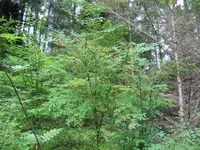
Plant on the north or east side of taller shrubs, trees, or a fence so the plant receives bright light with some overhead protection, similar to its natural woodland edge habitat.

Rotten Wood Companion

Incorporate chunks of well-rotted, unsprayed softwood into the planting area so roots can grow among them, providing slow-release nutrients and moisture retention that support long-term shrub vigor.

Gentle Berry Harvest

Harvest ripe berries by rolling them off the stems with thumb and forefinger instead of pulling, which reduces twig breakage and protects next year’s fruiting wood.

Low-Input Pest Strategy

Encourage beneficial insects by keeping a small strip of mixed native groundcover or flowering herbs nearby, which usually provides enough biological control that pesticides are rarely needed when growing red huckleberry.

Common Pests and Diseases

Blueberry maggot

This pest is a small fly whose larvae tunnel inside ripening berries, causing soft, discolored, and collapsed fruit. Symptoms include prematurely dropping berries and fruit that looks fine outside but breaks down quickly after harvest.

Solution

Rake up and destroy fallen berries to break the life cycle, and harvest fruit promptly so larvae do not complete development in overripe berries. In home landscapes, use fine mesh netting over shrubs before fruit colors and hang yellow sticky traps nearby to monitor and reduce adult flies instead of relying on broad-spectrum sprays.

Leafroller caterpillars

These insects feed on young leaves and sometimes flowers, often folding or webbing leaves together to form shelters. Symptoms include chewed leaf edges, rolled foliage, and small dark frass pellets inside the rolled leaves.

Solution

Prune out and discard rolled or webbed shoot tips as soon as they are noticed to remove caterpillars physically. For heavier infestations on multiple stems, apply a targeted biological product containing Bacillus thuringiensis (Bt) to young foliage in late spring, following label directions and avoiding applications during peak bee activity.

Phytophthora root and crown rot

This disease is caused by water-mold pathogens that thrive in saturated, poorly drained soil, leading to stunted growth, dull foliage, and sudden dieback. Symptoms include wilting despite moist soil and dark, discolored tissue at the base of stems and upper roots.

Solution

Improve drainage by planting on mounds or raised beds and avoid overwatering or standing water around the root zone, especially in heavy soils. Remove severely affected plants, discard the root system, and replant only in well-drained, acidic soil with coarse organic matter such as bark to reduce future risk, which is a key part of Vaccinium parvifolium plant care in wet climates.

Blueberry shock virus

This disease causes sudden, almost complete blossom and young shoot death in spring, leading to very poor fruit set for that season. Symptoms include blighted flowers, scattered dead twig tips, and then partial recovery of foliage growth later in the same year while remaining infected.

Solution

Remove and destroy severely affected plants if yield loss is significant, since there is no cure and the virus can persist for many years. When starting new plantings, source certified virus-tested stock and avoid moving cuttings, prunings, or unverified plants from unknown wild or garden sources into a clean planting.

Interesting Facts

Hollow stem habitat

Its older hollow stems are often used as natural nest sites by native solitary bees and other small insects, making the shrub an important microhabitat in Pacific Northwest forests.

Shade-tolerant berry producer

Unlike many berry shrubs, it can fruit reliably in bright shade under coniferous forest canopies, taking advantage of dappled light where other berry species struggle.

Bird-dispersed specialist

The bright red, translucent berries are particularly attractive to songbirds such as thrushes and towhees, which disperse the seeds over long distances through their droppings.

Botan icon

Did you know?

Indigenous peoples of the Pacific Northwest traditionally managed and harvested this species as a valued wild food, eating the fresh berries, drying them for later use, and sometimes mixing them with other foods, which shows a long history of humans deliberately growing red huckleberry near settlements and travel routes.

FAQs about red huckleberry

The berries are edible and widely regarded as safe and tasty when fully ripe. They are often eaten fresh, cooked into jams, or baked. Leaves and stems are not typically consumed and have no culinary use.

Grow Healthy Plants with Botan Care

Keep your plants happy and healthy with plant identification, disease detection, and easy care guidance.

Botan plant care app — identify plants on mobile

Explore More Plants