Train Fan Shape
In the first 2–3 years, tie young, flexible shoots to horizontal or gently angled wires on a wall or fence to create an open fan shape that maximizes flowering wood and keeps the shrub easy to prune and harvest.

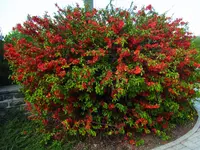
Quince (Chaenomeles × superba) is a compact, deciduous shrub valued for its early spring flowers and dense, twiggy growth. It is commonly used in borders, hedges, and informal screens. Blooms appear on bare branches in late winter to early spring, with single or semi-double flowers in shades of red, pink, or white, followed by small, hard, aromatic fruits. This hybrid originates from East Asian species but is now widely grown in temperate gardens. It is generally tough and adaptable, tolerating urban conditions and varied soils, which makes it relatively easy to establish and care for quince. It prefers sunny sites with moderately moist, well-drained soil.

Care Difficulty
Easy Care

Light Preference
Full Sun

Water Requirements
Moderate Water

Temperature Preference
Cold Hardy

Hardiness Zone
4–9

Soil Texture
Sandy, Loamy, Clay

Soil pH
Acidic (5.5–6.5), Slightly acidic (6.5–7.0)

Soil Drainage
Well-drained

Fertilization
Minimal (feed rarely)
Scan your plant to receive care tips personalized for your specific plant
Available on iOS and Android
Chaenomeles × superba flowers and fruits best with strong light and clear seasonal sun changes.
This shrub prefers deep but infrequent watering once established, with soil allowed to dry slightly between soakings.
This hardy shrub thrives in temperate climates with cool winters and mild to warm summers.
Chaenomeles × superba tolerates a wide humidity range and rarely needs special humidity management outdoors.
Chaenomeles × superba grows best in moderately fertile, well-structured mineral soil with reliable drainage.
This shrub can be grown in containers if provided with a stable, deep pot and careful moisture control.
Chaenomeles × superba benefits from modest feeding to support flowering and healthy growth.
Pruning Chaenomeles × superba maintains a compact outline and supports abundant flowering on young wood.
This flowering shrub is usually grown in the ground, so focus on careful transplanting rather than frequent repotting.
Chaenomeles × superba is commonly propagated vegetatively to maintain flower color and growth habit.
This shrub is generally cold hardy in temperate climates and needs minimal winter care in the ground.

Plant Health Check
Not sure what's wrong with your plant? Check your plant's health inside the app.
This ornamental quince is a complex hybrid, primarily between Chaenomeles japonica and Chaenomeles speciosa, first selected in European horticulture in the early 20th century for its heavy spring flowering and compact habit.
Its bright flowers open very early in spring, sometimes before leaves appear, providing one of the first substantial nectar and pollen sources for emerging bees and other pollinators in temperate gardens.
The small yellow fruits are technically edible but very hard and astringent when raw, so they are usually cooked with sugar and other fruit to make jellies or preserves with a strong quince-like aroma.

Some long-established Chaenomeles × superba shrubs, when grown in favorable conditions and left unpruned, can form dense, thorny thickets that function as an effective living barrier for nesting small birds, which use the intricate branches for shelter and protection from predators.
Poor flowering often comes from heavy pruning at the wrong time, insufficient light, or nutrient imbalance. Buds form on older wood, so hard pruning in late winter removes flowers. Established shrubs usually bloom reliably once site and pruning are appropriate.
Keep your plants happy and healthy with plant identification, disease detection, and easy care guidance.