Polygala flavescens Care

About Polygala flavescens

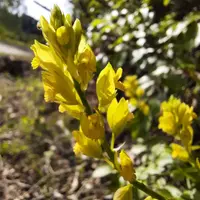
Polygala flavescens is a small herbaceous perennial in the milkwort family, usually forming low clumps with narrow leaves and delicate yellow to yellow-green flowers. It often grows in open, sunny habitats such as grasslands, light scrub, or rocky slopes, depending on the local region.

The plant has a relatively fine root system and does not tolerate heavy disturbance or prolonged waterlogging, which can make it a bit sensitive in cultivation. Gardeners who learn how to care for Polygala flavescens usually focus on providing well-drained soil and moderate, consistent moisture in a bright position.

Main Plant Requirements

Care Difficulty

Moderate Care

Light Preference

Partial Sun

Water Requirements

Moderate Water

Temperature Preference

Warm Climate

Hardiness Zone

Unknown

Soil Texture

Sandy, Loamy

Soil pH

Acidic (5.5–6.5)

Soil Drainage

Well-drained

Fertilization

Minimal (feed rarely)

Get Personalized Care Plan

Scan your plant to receive care tips personalized for your specific plant

Available on iOS and Android

How to Care for the Polygala flavescens

This shrub prefers bright conditions with protection from harsh extremes.

  • Provide 4–6 hours of sun daily, ideally with gentle morning sun and light afternoon shade to support compact, floriferous growth in Polygala flavescens.
  • Allow dappled or filtered light in hotter climates, as intense afternoon sun can scorch leaves and bleach flowers, especially in dry, exposed sites.
  • In cooler seasons, choose a position with more direct sun; in summer, monitor foliage for pale, crisp edges and increase shade if this appears.

This plant prefers evenly moist, well-drained soil without prolonged dryness or saturation.

  • Water when the top 3–5 cm of soil feels dry, adding enough to moisten the root zone but not leave standing water on the surface.
  • Use a free-draining soil or raised bed to prevent waterlogging; yellowing, soft leaves and stem dieback often indicate chronic overwatering or poor drainage.
  • In cooler months, reduce frequency as growth slows, but in hot, windy weather check soil more often to avoid drooping leaves and dry, brittle stems from underwatering.

This species prefers mild, frost-free conditions with moderate seasonal variation.

  • Aim for 60–77°F (16–25°C) for active growth, as this range supports steady foliage development and flowering.
  • Protect from frost; growth usually declines below about 40°F (4°C), and repeated exposure near 32°F (0°C) can damage young shoots or kill top growth.
  • In hot periods above 86°F (30°C), provide mulch and some afternoon shade, as sustained heat and hot winds can cause leaf scorch and stress-related flowering decline.

This species handles a fairly wide humidity range but benefits from slightly moist air.

  • Aim for 40–60% humidity; typical indoor levels are acceptable if air is not very dry.
  • Brown, crisp leaf edges and slow growth indicate humidity stress from overly dry air.
  • Increase humidity by grouping plants, placing the pot on a pebble tray with water, or running a small nearby humidifier.

Polygala flavescens prefers light, well-structured soil that drains quickly but does not dry out instantly.

  • Use a sandy-loam mix with about 50–60% mineral content (sand or fine grit) plus 40–50% organic matter such as composted bark or peat-free compost.
  • Ensure rapid drainage by adding 20–30% perlite or pumice and using a pot or bed that never allows water to pool around the roots.
  • Target a slightly acidic to neutral pH around 6.0–7.0 for best nutrient availability and sustained root health.
  • Avoid heavy clay, compacted sites, or mixes that stay wet for more than 1–2 days after watering, which encourages root rot and oxygen-poor conditions.

This species can grow reliably in containers when they are prepared to support its root system and drainage needs.

  • Choose a pot at least as deep as its nursery container so the relatively fine roots can spread without circling tightly near the surface.
  • Select a heavier material such as ceramic or clay if the top growth becomes bushy, to prevent the container from tipping in wind.
  • Raise the pot slightly on feet or bricks so drainage holes stay clear and runoff leaves the saucer quickly after watering.

In average garden soil, Polygala flavescens needs only modest feeding to support healthy growth and flowering.

  • Use a light top-dressing of compost or a balanced slow-release fertilizer (around 10-10-10) in early spring.
  • Apply once per growing season in the ground; container plants may need a second light application in midsummer.
  • Dilute liquid feeds to 1/2 strength to avoid salt buildup and soft, weak growth.
  • Stop feeding in late summer to early fall so new growth hardens before winter.

Pruning Polygala flavescens is mainly done to maintain shape and remove weak or spent growth.

  • Carry out main pruning in late winter or early spring before strong new growth starts.
  • Remove dead, diseased, or damaged stems first, then thin crowded or crossing shoots to improve air flow.
  • Shorten excessively long stems to maintain a compact form and encourage branching and flowering.
  • Use clean, sharp hand pruners and make angled cuts just above a healthy outward-facing bud.

This species is more often grown in the ground, with transplanting done carefully to protect its root system.

  • Transplant in early spring or early fall when temperatures are mild and soil moisture is stable.
  • Look for signs such as slow growth, roots circling the pot, or the plant drying out quickly before moving a container-grown specimen.
  • Shift to a container only 1–2 in wider, using a free-draining mix and handling roots gently to limit shock.
  • Water thoroughly after transplanting, then keep soil slightly moist and shade the plant lightly for 7–10 days while it re-establishes.

Propagation of Polygala flavescens is usually done from semi-ripe cuttings or seed under controlled conditions.

  • Take semi-ripe stem cuttings in late spring to midsummer and place them in a free-draining, slightly sandy mix.
  • Remove lower leaves, dip cut ends in rooting hormone, and maintain high humidity with bright, indirect light.
  • Sow fresh seed in fall or early spring, just covered with gritty mix, and keep evenly moist until germination.
  • Provide bottom warmth around 68–72°F for cuttings or seeds to improve rooting and emergence.

In mild climates this species is fairly cold tolerant but may need simple measures in harsher winters.

  • Expect established plants in the ground to handle light frosts, but young or container plants are more vulnerable.
  • Apply a 5–8 cm mulch layer around the root zone in late fall, keeping mulch away from the stems.
  • Move containers to a sheltered, frost-free spot or unheated garage where temperatures stay above freezing.
  • Avoid heavy winter watering; keep soil just barely moist to prevent root rot in cool conditions.

Care Tips

Encourage Bushy Form

Pinch back the soft tips of new shoots in late spring to promote branching and a denser habit rather than a few tall, weak stems.

Light Pruning Timing

Carry out any shaping or thinning immediately after the main flowering flush so the plant has an entire growing season to form new flowering wood for the next year.

Mulch For Root Comfort

Apply a thin 3–5 cm layer of fine bark or composted mulch around, but not touching, the stems to keep roots cool, stabilize soil moisture, and reduce weed competition.

Targeted Pest Monitoring

Inspect young shoots and flower stems every 1–2 weeks for aphids or scale, and treat early with a strong water spray or horticultural soap before populations harden off and spread along the woody framework.

Transplant With Care

When moving or dividing established plants, preserve as much of the fine feeder root zone as possible and water deeply for several weeks afterward, as this species resents major root disturbance during growing Polygala flavescens.

Common Pests and Diseases

Scale insects

These insects attach to stems and leaf midribs, appearing as small brown or gray bumps that cause yellowing, reduced flowering, and sticky honeydew on nearby surfaces.

Solution

Prune and discard heavily infested shoots, then wipe remaining stems and leaves with a cloth dipped in a dilute solution of insecticidal soap or horticultural oil; repeat every 7–10 days until new growth is clean and avoid nitrogen-heavy fertilization that encourages soft, susceptible tissue.

Leaf spot

This disease causes small brown to dark purple spots on leaves that may enlarge, merge, and lead to premature leaf drop, especially in humid, poorly ventilated conditions.

Solution

Remove and discard affected leaves, avoid overhead watering, and improve airflow around the plant; if spotting continues, apply a copper- or chlorothalonil-based fungicide labeled for ornamental shrubs, following label intervals during warm, wet periods.

Aphids

These insects cluster on tender shoot tips and flower stalks, sucking sap and causing distortion of new growth, sticky honeydew, and sometimes sooty mold on foliage.

Solution

Spray stems and undersides of leaves with a firm stream of water to dislodge colonies, then use insecticidal soap or a light horticultural oil on remaining aphids, repeating weekly while monitoring new flushes of growth during active growing periods when growing Polygala flavescens.

Botrytis blight

This disease produces soft, water-soaked patches on flowers and young shoots that develop a fuzzy gray mold, particularly in cool, damp weather or dense plantings.

Solution

Cut back and discard all affected tissue, increase spacing and airflow, and avoid wetting the foliage; in persistent conditions, use a registered ornamental fungicide for Botrytis and rotate products if treatments are needed over several weeks.

Spider mites

These pests cause fine speckling and dulling of leaves, sometimes with delicate webbing between stems, and thrive on plants kept in hot, dry, sheltered spots.

Solution

Rinse foliage thoroughly with water, focusing on leaf undersides, then use insecticidal soap or a horticultural oil targeting mites; repeat treatments every 5–7 days for several cycles and maintain slightly higher humidity and regular hosing to prevent reinfestation.

Interesting Facts

Southern African native

Polygala flavescens is native to parts of southern Africa, where it grows in open grasslands and rocky slopes, often in nutrient-poor, well-drained soils.

Characteristic yellow flowers

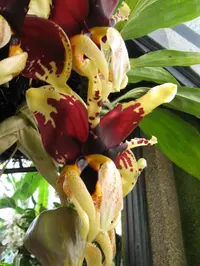
This species is noted for its yellow, pea-like flowers with a fringed central petal, a typical feature of the milkwort family that helps guide pollinators toward the nectar.

Adapted to harsh sites

P. flavescens often occurs in exposed habitats with seasonal drought, showing good tolerance to high light and periodic dryness compared with many woodland Polygala species.

FAQs about Polygala flavescens

This species is typically perennial, returning for multiple years when conditions suit it. In colder climates it may behave short-lived or be grown as an annual if winter temperatures fall well below its tolerance.

Grow Healthy Plants with Botan Care

Keep your plants happy and healthy with plant identification, disease detection, and easy care guidance.

Botan plant care app — identify plants on mobile

Explore More Plants