Jacobean lily Care (Sprekelia formosissima)

Jacobean lily

About Jacobean lily

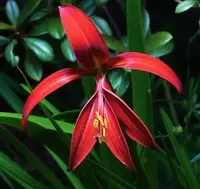
Jacobean lily, Sprekelia formosissima, is a bulb-forming flowering plant in the amaryllis family, grown mainly for its striking, orchid-like red blooms. It typically produces a fan of narrow, strap-shaped leaves and sends up short, sturdy flower stalks with one large, showy flower at a time.

This species is native to Mexico and Central America, where it grows in warm, seasonally dry regions. In gardens and containers it behaves as a compact, clump-forming bulb that often flowers in late spring or early summer.

It prefers bright light, well-drained soil, and a pronounced dry rest after flowering, which influences how to care for Jacobean lily and how reliably it will rebloom.

Main Plant Requirements

Care Difficulty

Moderate Care

Light Preference

Full Sun

Water Requirements

Moderate Water

Temperature Preference

Tropical / Frost Sensitive

Hardiness Zone

8–10

Soil Texture

Sandy, Loamy, Organic-rich

Soil pH

Acidic (5.5–6.5), Slightly acidic (6.5–7.0)

Soil Drainage

Well-drained

Fertilization

Light (every 4–6 weeks)

Get Personalized Care Plan

Scan your plant to receive care tips personalized for your specific plant

Available on iOS and Android

How to Care for the Jacobean lily

This bulb prefers strong light but needs some protection from harsh midday sun.

  • Provide 4–6 hours of direct morning sun or late-afternoon sun, with bright filtered light the rest of the day for stable flowering.
  • In hot climates, give Jacobean lily light shade from about 11 a.m.–3 p.m. to prevent leaf scorch and faded blooms.
  • If stems stretch, lean, or flowering drops, the site is too dim; move to a brighter spot or thin nearby shading plants.

Watering should support active growth while keeping the bulb from staying wet for long periods.

  • During active growth, water when the top 3–5 cm of soil feel dry, then soak thoroughly so excess drains away, avoiding standing water around the bulb.
  • Use sharply drained soil or a raised bed so Sprekelia formosissima never sits in soggy conditions, which lead to bulb rot and yellow, mushy leaves.
  • Reduce watering sharply after foliage dies back, keeping soil almost dry in dormancy and resuming deeper watering only when new shoots appear.

This species prefers warm, frost-free conditions with a distinct dormant period in cooler seasons.

  • Aim for 65–80°F (18–27°C) during active growth for best flowering and leaf development.
  • Protect bulbs from temperatures below 40°F (4°C); lift and store them dry in cool, frost-free places where winters drop below 32°F (0°C).
  • In hot regions, the plant tolerates brief spikes to 90–95°F (32–35°C) if soil remains slightly moist and the bulb is not exposed to reflected heat from walls or pavement.

This bulb prefers moderately dry air but benefits from controlled humidity in heated homes.

  • Aim for 40–60% humidity; typical indoor conditions are usually adequate for Jacobean lily.
  • Brown, crisp leaf tips or stalled buds in very dry rooms indicate humidity stress.
  • Group pots, place on a pebble tray with water below the pot base, or run a small nearby humidifier in very dry climates.

This bulb needs airy, sharply drained soil that dries between waterings.

  • Use a gritty, sandy loam with 30–50% mineral material such as coarse sand or small grit for strong drainage.
  • Blend roughly 2 parts peat- or coir-based potting mix with 1 part perlite and 1 part coarse sand to support Sprekelia formosissima roots.
  • Keep pH slightly acidic to neutral, around 6.0–7.0, avoiding highly alkaline mixes that can limit nutrient uptake.
  • Avoid heavy clay, dense peat-only mixes, or containers without drainage, which promote standing water and bulb rot.

This species is well suited to container growing, especially in cooler climates where bulbs need winter protection.

  • Choose a heavy, wide-based pot to prevent toppling when tall flowering stems emerge.
  • Select a pot just 2–3 in wider than the cluster of bulbs so the plant flowers better in slightly crowded conditions.
  • Elevate the container on pot feet or bricks so drainage holes clear surfaces and water runs off quickly after rain or watering.

Sprekelia formosissima benefits from light, targeted feeding during its active growing period to support flowering without forcing soft, weak growth.

  • Use a balanced liquid fertilizer (for example 10-10-10) at 1/2 strength every 4 weeks during spring–summer while leaves are present.
  • Alternatively, apply a light layer of fine compost or a low-dose slow-release bulb fertilizer at the start of active growth.
  • Stop feeding once foliage begins to yellow and the Jacobean lily bulb enters dormancy, usually in late summer or early fall.
  • Always water lightly before applying liquid feed to reduce root burn risk in this bulbous plant.

Pruning Sprekelia formosissima is minimal and focuses on removing spent or unhealthy tissue to maintain bulb strength and reduce disease risk.

  • After flowers fade, cut only the spent flower stalk at the base, leaving green leaves intact to feed the bulb.
  • Remove yellow, dead, or damaged leaves with clean, sharp scissors or hand pruners, trimming close to the bulb neck without cutting into it.
  • Carry out pruning during the post-flowering period and as foliage naturally declines, rather than during peak active growth.
  • Avoid shaping cuts; pruning has little effect on plant form and mainly supports plant health and future flowering.

This bulb prefers to be slightly crowded and does not need frequent repotting, but occasional transplanting maintains vigor and flowering.

  • Look for bulbs pressing against the pot sides, roots circling the drainage holes, or reduced flowering as signs it needs a larger container.
  • Plan repotting or transplanting in late winter to early spring, just before new growth starts, typically every 3–4 years.
  • Gently loosen the root mass, handle bulbs by their base, and avoid damaging the basal plate where roots emerge to limit transplant shock.
  • Replant in a well-drained, gritty mix with the upper third of the bulb above the surface, then water lightly and keep in bright, indirect light for 1–2 weeks.

Multiplying Sprekelia formosissima is most reliable through division of bulbs rather than from seed, which is slower and less predictable.

  • Divide offset bulbs in late winter or early spring when repotting, after the plant has completed dormancy.
  • Lift the clump gently, then separate firm, healthy offsets from the mother bulb by hand, keeping roots attached when possible.
  • Plant offsets in a fast-draining potting mix with the neck exposed, spacing bulbs so they are not touching.
  • Keep the newly potted bulbs slightly moist, warm (65–75°F), and in bright, indirect light to encourage root establishment.

Cold-sensitive Sprekelia formosissima requires protective winter care in climates colder than about USDA zone 8.

  • In areas with frost, lift bulbs after foliage dies back, dry them, and store in a cool, dry place at 45–55°F until spring.
  • In mild climates, keep bulbs in well-drained soil and apply a light, dry mulch layer over the root zone to limit temperature swings.
  • Move container-grown plants indoors before nighttime temperatures drop near 40°F, placing them in a cool, dry, frost-free location for dormancy.

Care Tips

Rotate Dormant Bulbs

After foliage has fully died back, gently lift and inspect bulbs every 2–3 years, rotating or repositioning them so the neck is just at or slightly above the soil surface to maintain strong flowering performance.

Use Clay Pots

Plant bulbs in unglazed clay pots to improve air movement around roots and reduce the risk of bulb rot, especially in climates with wet springs or if watering is sometimes inconsistent.

Provide Summer Rest

Once foliage yellows, gradually reduce watering and allow a dry rest for 8–10 weeks, storing pots in a warm, airy spot to mimic the plant’s natural seasonal cycle and promote reliable re-blooming.

Clustered Bulb Planting

Group 3–5 bulbs closely in one pot with about 2–3 cm between them to create a fuller display and slightly warmer microclimate around the bulbs, which can improve flowering synchrony.

Label And Track

Label pots with date of last repotting and bloom time, and keep simple notes on flowering and dormancy timing to fine-tune caring for Jacobean lily in your specific indoor or outdoor conditions.

Common Pests and Diseases

Bulb mites

These pests feed inside and around the bulbs, causing slow growth, weak flowering, and sometimes soft, declining bulbs. Symptoms include poor sprouting and plants that collapse easily at the soil line.

Solution

Discard obviously soft, rotting bulbs and keep only firm, healthy ones. For remaining bulbs, remove old dry scales, rinse in lukewarm water, then treat with a labeled bulb soak or sulfur-based dust, and store or replant only in clean, well-drained substrate to reduce reinfestation when growing Jacobean lily.

Narcissus bulb fly

This pest lays eggs on or near the bulbs, and the larvae tunnel inside, hollowing them out from within. Symptoms include sudden yellowing and collapse of foliage and failure of bulbs to re-sprout.

Solution

Remove and destroy any suspect bulbs that feel unusually light or show internal tunneling when cut open. Use fine mesh or horticultural fleece over bulb beds in spring and early summer to block adult flies, and avoid leaving damaged or discarded bulbs in the area, since they attract more egg-laying adults.

Spider mites

These insects thrive in hot, dry conditions and feed on leaf sap, causing stippling, dull foliage, and fine webbing, especially on indoor or greenhouse plants. Symptoms include leaves that look dusty, faded, or bronzed.

Solution

Rinse foliage thoroughly with a strong but gentle stream of water, including the undersides of leaves, then increase humidity and improve air movement. For persistent infestations, apply insecticidal soap or a horticultural oil, repeating at 5–7 day intervals to catch newly hatched mites.

Narcissus mosaic virus

This disease can cause mottled, streaked, or banded patterns on the strap-like leaves and may gradually weaken bulbs over several seasons. Symptoms include distorted foliage and reduced or irregular flowering.

Solution

Remove and discard any plants showing clear, persistent virus symptoms, including the bulbs, and do not compost them. Control sap-sucking insects such as aphids, avoid reusing tools between plants without cleaning, and replant only healthy, symptom-free bulbs to limit spread in a Jacobean lily indoor care collection.

Basal plate rot

This disease starts at the basal plate of the bulb, leading to brown, sunken, or soft tissue and eventual collapse of the plant. Symptoms include yellowing leaves, poor emergence, and a foul smell from affected bulbs.

Solution

Lift and inspect bulbs, discarding any that show brown, soft, or foul-smelling basal tissue. Plant only firm bulbs in well-drained soil or mix, avoid overwatering, and treat remaining bulbs with a fungicidal bulb dip or dust before replanting to reduce infection pressure in future seasons.

Interesting Facts

Pseudo-orchid flower shape

The flowers are strongly zygomorphic, meaning they are bilaterally symmetrical like many orchids, with a distinct upper and lower side rather than a star-shaped form typical of many amaryllids.

Solitary spring blooming

Each bulb usually sends up a single, large red flower on a leafless scape in late spring, often before or just as the foliage is fully developed, creating a striking one-flower display per bulb.

Mexican volcanic native

This species is native to highland regions of Mexico, where it grows in well-drained, often rocky or volcanic soils that experience a pronounced dry season followed by a warm, wet period.

Botan icon

Did you know?

The genus name Sprekelia honors Johann Heinrich von Spreckelsen, a German botanist of the 18th century, while the species epithet formosissima means very beautiful in Latin, reflecting the plant’s long-standing reputation as an ornamental curiosity in European collections since at least the 1600s.

FAQs about Jacobean lily

Lack of blooms usually comes from insufficient dry rest, overcrowded bulbs, or too little light. Allow foliage to die back naturally, keep bulbs relatively dry when dormant, then resume watering and feeding to support the next flowering cycle.

Grow Healthy Plants with Botan Care

Keep your plants happy and healthy with plant identification, disease detection, and easy care guidance.


Botan plant care app — identify plants on mobile

Explore More Plants