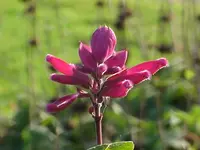
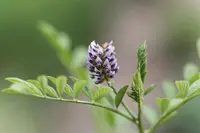
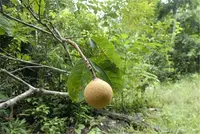
spiderwisp Care (Cleome gynandra)

Also known as: Kaffir Cabbage, Spiderwisp Spindlepod, African Cabbage, African Herbage, Bustard Mustard, Spider Flower
spiderwisp

About spiderwisp

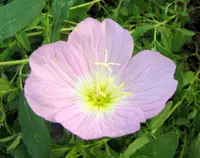
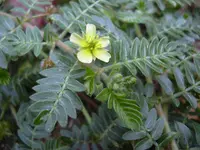
Spiderwisp (Cleome gynandra) is a fast-growing annual herb often grown for its delicate, airy foliage and clusters of white to pale pink flowers. It has a slightly open, branching habit and can form a light, see-through screen in garden beds.

This species is native to parts of Africa and Asia, where it grows in warm, sunny, seasonally dry areas and is sometimes used as a leafy vegetable. It adapts fairly well to poor soils but resents waterlogged conditions, so drainage is important.

Spiderwisp prefers full sun, moderate moisture, and well-drained soil, and many gardeners find it straightforward to care for spiderwisp in warm climates.

Main Plant Requirements

Care Difficulty

Easy Care

Light Preference

Full Sun

Water Requirements

Moderate Water

Temperature Preference

Tropical / Frost Sensitive

Hardiness Zone

10–12

Soil Texture

Sandy, Loamy, Organic-rich

Soil pH

Acidic (5.5–6.5), Slightly acidic (6.5–7.0)

Soil Drainage

Well-drained

Fertilization

Light (every 4–6 weeks)

Get Personalized Care Plan

Scan your plant to receive care tips personalized for your specific plant

Available on iOS and Android

How to Care for the spiderwisp

Cleome gynandra thrives in strong sun but benefits from some protection during peak afternoon heat in hot climates.

  • Provide 6–8 hours of direct sunlight daily; morning sun from the east is ideal, with light afternoon shade in very hot regions.
  • Plant in an open, unshaded spot; in cooler climates it tolerates full sun all day, while in hot inland areas 1–3 hours of light afternoon shade reduce stress.
  • If stems stretch, flowering declines, or foliage pales, light is insufficient; if leaves scorch or curl, provide filtered fabric shade or nearby taller plants to break harsh sun.

Cleome gynandra prefers evenly moist, well-drained soil and does not tolerate standing water.

  • Water when the top 3–5 cm of soil feels dry, applying enough to moisten the root zone, then allow excess to drain away fully.
  • Use loose, well-draining soil or amended garden beds so water moves through easily; puddling for more than 30 minutes signals poor drainage and higher root rot risk.
  • In hot, dry periods, monitor daily for wilting or dull, floppy leaves as signs of underwatering; yellowing lower leaves and a sour soil smell usually indicate overwatering.

This warm-season annual grows best in stable, frost-free conditions with moderate to high warmth.

  • Aim for 70–85°F (21–29°C) for fastest growth; flowering remains good up to about 90°F (32°C) if soil moisture is maintained.
  • Avoid temperatures below 50°F (10°C); light chilling slows growth, and frost at 32°F (0°C) or below usually kills plants outright.
  • Plant outdoors only after nights stay above 55°F (13°C); during heat waves above 95°F (35°C), expect some leaf droop midday that should recover in the evening if roots stay moist.

Cleome gynandra handles a wide humidity range and usually does not need special humidity control outdoors.

  • Target 30–60% humidity; the plant tolerates drier air better than prolonged high humidity.
  • Dry air is usually tolerated, but extreme dryness combined with heat can cause slight leaf edge browning and faster wilting.
  • If leaves droop quickly between waterings, increase local humidity slightly by grouping plants or placing a shallow water tray nearby without crowding airflow.

Cleome gynandra prefers light, well-drained soil that stays evenly moist but never waterlogged.

  • Use a loose, sandy or loamy mix with plenty of organic matter, such as garden soil blended with compost.
  • Aim for pH around 6.0–7.5; mildly acidic to neutral conditions support nutrient uptake and steady growth.
  • Improve drainage and aeration by adding coarse sand or perlite at 20–30% of the mix, especially in heavy garden soils.
  • Avoid compacted, clay-heavy, or constantly wet ground, which promotes root rot and weak, spindly plants.

This species is suitable for container growing when given enough root space and fast drainage.

  • Choose a deep, stable pot to support the tall, sometimes top-heavy stems and reduce tipping in wind.
  • Use a lightweight, fast-draining potting mix so excess water exits quickly through drainage holes after heavy rain or watering.
  • Select a thicker-walled or clay container if growing in full sun to moderate rapid drying and temperature swings in the root zone.

Cleome gynandra benefits from light feeding but grows acceptably even in modest soils.

  • Use a balanced liquid fertilizer (for example 10-10-10) at 1/2 strength every 3–4 weeks during active growth.
  • Alternatively, apply a thin layer of mature compost around the base in spring for gentle nutrition.
  • In containers, a slow-release balanced fertilizer in early summer supports flowering and healthy foliage.
  • Reduce or stop feeding in late fall and winter, as spiderwisp growth naturally declines.

Pruning Cleome gynandra helps maintain a compact shape and encourages heavier flowering.

  • Pinch or trim soft shoot tips in early growth to promote bushier plants and more flower stalks.
  • Remove dead, diseased, or damaged stems with clean, sharp scissors or hand pruners as needed.
  • Thin crowded interior stems to improve air circulation and reduce fungal problems in humid conditions.
  • Deadhead spent flower clusters to tidy the plant and support continued blooming through the season.

This annual plant is usually transplanted outdoors rather than long-term repotted in containers.

  • Transplant seedlings once they have several true leaves and roots lightly fill starter cells or small pots.
  • Move plants outdoors in late spring after frost risk passes, choosing a sunny, well-drained site.
  • Space transplants to avoid crowding, which improves airflow and reduces disease risk.
  • Handle roots gently, keep the root ball intact, and water thoroughly after transplanting to limit stress.

Cleome gynandra is most commonly propagated from seed rather than vegetative methods.

  • Sow seeds in late winter to spring indoors, or directly outdoors after frost has passed.
  • Provide warmth of about 70–75°F and bright light to support uniform germination.
  • Cover seeds very lightly or press into the surface, as they need some light exposure to germinate well.
  • Keep the seed mix evenly moist, not waterlogged, until seedlings develop several true leaves.

This species is a warm-season annual and normally does not overwinter outdoors in cold climates.

  • Plants are frost-sensitive and usually die back with the first hard frost in temperate regions.
  • In mild, frost-free areas, a light mulch can help roots in cooler spells but long-term survival is uncertain.
  • Container plants can be kept slightly longer by moving them into a bright, frost-free space until growth declines.

Care Tips

Staggered Succession Sowing

Sow small batches every 2–3 weeks rather than one large planting to maintain a steady harvest of young, tender leaves and avoid plants becoming tall and woody all at once.

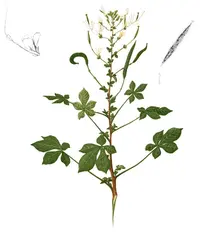
Pinch For Bushiness

When plants reach 15–20 cm, pinch out the soft growing tip with clean fingers or pruners to encourage side shoots and produce more harvestable foliage per plant.

Heat-Season Bolt Management

In hot weather, remove developing flower buds promptly to delay bolting and keep the plant in a leafy, vegetative state for longer harvests.

Targeted Leaf Harvesting

Harvest by removing entire outer leaves and leaving the central rosette intact, which stimulates continued growth and reduces stress compared with stripping many small pieces from across the plant.

Mulch For Clean Foliage

Apply a 3–5 cm layer of clean organic mulch around the base to reduce soil splash onto leaves during rain or irrigation, which helps keep edible foliage cleaner and lowers the risk of soil-borne disease when growing spiderwisp.

Common Pests and Diseases

Leaf beetles

This pest chews small to large round holes in leaves, often starting between veins, and can skeletonize foliage in heavy infestations.

Solution

Hand-pick and crush beetles in the early morning, remove severely damaged leaves, and keep the area free of nearby brassica weeds that harbor them; if needed, use a targeted spinosad or pyrethrin spray in the evening, directed only at affected foliage to protect pollinators.

Aphids

These insects cluster on tender shoot tips and flower stalks, sucking sap and causing distorted, sticky growth with possible sooty mold on leaves.

Solution

Spray plants with a strong stream of water to dislodge colonies, then apply insecticidal soap or neem oil to all leaf surfaces every 5–7 days until populations drop, while encouraging natural predators such as lady beetles by avoiding broad-spectrum insecticides.

Flea beetles

These insects create many tiny shot holes in young leaves and can stunt seedlings, especially in warm, dry conditions.

Solution

Use floating row covers over young plants, keep soil evenly moist, and apply a fine layer of diatomaceous earth around seedlings; in severe cases, spot-treat foliage with a low-toxicity product such as spinosad, avoiding open flowers to reduce impact on pollinators.

Powdery mildew

This disease causes white, powdery patches on upper leaf surfaces that can enlarge, leading to yellowing and premature leaf drop in dense plantings.

Solution

Improve airflow by thinning crowded plants, water at soil level instead of overhead, remove heavily infected leaves, and if needed apply a sulfur or potassium bicarbonate fungicide early in disease development according to label directions as part of Cleome gynandra plant care.

Cercospora leaf spot

This disease produces small, circular to irregular dark spots with pale or gray centers on older leaves, which may yellow and drop under prolonged humidity or overhead watering.

Solution

Promptly remove and discard affected leaves, avoid wetting foliage, increase spacing and air movement, and if the problem recurs, use a copper-based fungicide on new growth, rotating products when possible to slow resistance development.

Interesting Facts

C4 photosynthesis specialist

This species uses C4 photosynthesis, a pathway that concentrates carbon dioxide in leaf tissues, which helps it maintain efficient growth and gas exchange in strong sunlight and high temperatures compared to many C3 crops.

Traditional leafy vegetable

In parts of eastern and southern Africa and South Asia, this plant is cultivated as a leafy vegetable and is often boiled or steamed to reduce its natural bitterness before eating.

Self-sowing annual weed

It produces many small seeds in long seedpods that shatter easily, allowing it to reseed itself aggressively and behave as a common agricultural weed in warm regions.

Botan icon

Did you know?

Genetic and physiological studies use this species as a model to understand how C4 photosynthesis evolved independently in flowering plants, making it important for research that aims to improve photosynthetic efficiency in major food crops.

FAQs about spiderwisp

Poor flowering often comes from insufficient light, low nutrients, or heat stress. Ensure full sun, a balanced fertilizer, and consistent moisture. Pinching early growth and deadheading spent clusters encourages more buds and supports growing spiderwisp in ornamental beds.

Grow Healthy Plants with Botan Care

Keep your plants happy and healthy with plant identification, disease detection, and easy care guidance.

Botan plant care app — identify plants on mobile

Explore More Plants