Early structural pruning
In the first 2–3 years, remove competing leaders and select a single strong central trunk with 3–4 well-spaced primary branches to create a low, open framework that can support heavy fruit without splitting.

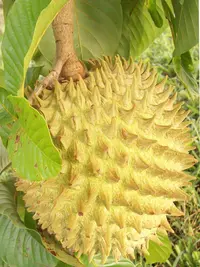
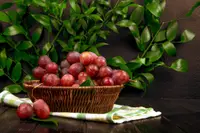
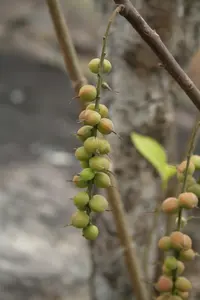
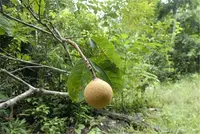
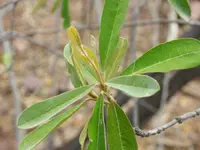
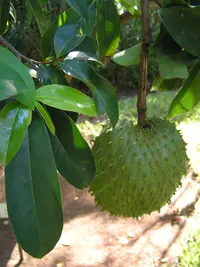
Biriba, Annona mucosa, is a small to medium tropical fruit tree valued for its soft, aromatic, custard-like flesh. It typically has an open, rounded canopy with glossy green leaves and distinctive, spiky yellow fruits when mature.
This species is native to the Amazon region and other warm, humid parts of tropical South America, where it grows in lowland forests and home gardens. In cultivation, it prefers warm temperatures, consistent moisture, and well-drained, slightly rich soil.
Biriba is moderately challenging outside the tropics because it dislikes cold and prolonged dryness, but it can be managed by growers who understand how to care for Biriba and provide a stable, protected environment.

Care Difficulty
Moderate Care

Light Preference
Full Sun

Water Requirements
Regular Water

Temperature Preference
Tropical / Frost Sensitive

Hardiness Zone
10–12

Soil Texture
Sandy, Loamy, Organic-rich

Soil pH
Acidic (5.5–6.5), Slightly acidic (6.5–7.0)

Soil Drainage
Moist but well-drained

Fertilization
Light (every 4–6 weeks)
Scan your plant to receive care tips personalized for your specific plant
Available on iOS and Android
This tropical fruit tree needs strong light with some protection from intense midday sun for best growth.
This species prefers evenly moist, well-drained soil without long dry spells or standing water.
This lowland tropical tree thrives in warm, frost-free climates with only mild temperature swings.
This species prefers warm, humid air similar to a tropical orchard environment.
This tropical fruit tree needs loose, deep, and well‑drained soil to avoid root stress and rot.
This species can be grown in containers when given enough root space and careful moisture management.
Annona mucosa responds well to moderate feeding that supports steady vegetative growth and fruiting.
Pruning Annona mucosa helps manage size, improve light penetration, and support healthy fruiting wood.
Transplanting Annona mucosa young trees correctly improves establishment and long-term health.
Propagation of Annona mucosa is most often done from seed and occasionally by grafting onto related rootstocks.
Cold-sensitive Annona mucosa needs thoughtful winter management in climates with temperatures below 40°F.

Plant Health Check
Not sure what's wrong with your plant? Check your plant's health inside the app.
This species is native to the lowland rainforests of Brazil and nearby regions, where it typically grows in warm, humid, non-seasonal climates with only brief or weak dry periods.
Unlike the closely related soursop and other Annona species with spiny skins, its fruits have a soft, bumpy, almost velvety rind with low, rounded protuberances and no hard spines.
The seeds lose viability relatively quickly once removed from the fruit, so successful propagation usually relies on sowing fresh seed shortly after extraction.

The flowers of this species show a form of protogyny, where the female phase of the flower occurs before the male phase, and they depend largely on small nitidulid beetles for pollination, which move between flowers as their sexual phases change.
This species can be grown in large, deep containers if root space, consistent moisture, and warmth are provided. Use a rich, free-draining mix, protect from cold, and repot or root-prune as it becomes pot-bound.
Keep your plants happy and healthy with plant identification, disease detection, and easy care guidance.