Purple Crab Care (Malus × purpurea)

Purple Crab

About Purple Crab

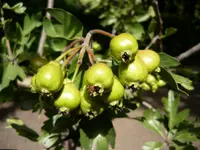
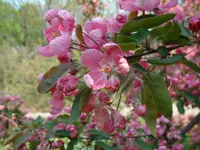
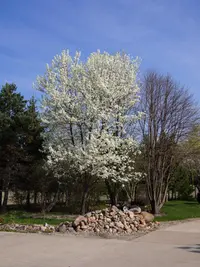
Purple crab (Malus × purpurea) is a small ornamental crabapple tree valued for its deep purple foliage, pink to reddish spring blossom, and colorful small fruits. It typically grows with a rounded crown and dense branching, making it suitable for gardens, streets, and small landscapes.

This hybrid originates from cultivated selections rather than a single wild habitat, and many named cultivars exist with slightly different leaf and flower colors. It is considered relatively easy to grow where winters are cool, provided it receives full sun, moderately moist, well-drained soil, and some basic care for Purple Crab.

Main Plant Requirements

Care Difficulty

Moderate Care

Light Preference

Full Sun

Water Requirements

Moderate Water

Temperature Preference

Cold Hardy

Hardiness Zone

4–8

Soil Texture

Loamy, Sandy, Clay

Soil pH

Acidic (5.5–6.5), Slightly acidic (6.5–7.0)

Soil Drainage

Moist but well-drained

Fertilization

Minimal (feed rarely)

Get Personalized Care Plan

Scan your plant to receive care tips personalized for your specific plant

Available on iOS and Android

How to Care for the Purple Crab

This flowering crabapple performs best in full sun but accepts light shade in hotter regions.

  • Provide 6–8 hours of direct sun daily, ideally with strong morning sun and some protection from intense late-afternoon summer sun in hot climates.
  • Allow light afternoon shade in zones with very hot summers; in cooler areas, full sun all day improves flowering, fruiting, and overall vigor of Purple Crab.
  • Watch for leggy growth, sparse blooms, and thin canopies as signs of insufficient light, while scorched leaves can indicate excessive reflected or late-day sun exposure.

This tree prefers evenly moist, well-drained soil rather than frequent shallow watering.

  • In the first 1–2 growing seasons, water deeply when the top 5–8 cm of soil feels dry, aiming to soak the root zone rather than just the surface.
  • Once established, Malus × purpurea usually needs deep watering only during prolonged dry spells; increase frequency during hot, windy periods and reduce it in cool, wet weather.
  • Ensure soil drains freely to prevent standing water; yellowing leaves and dieback suggest overwatering, while crispy leaf edges and premature leaf drop point to drought stress.

This hardy crabapple tolerates a wide temperature range typical of temperate climates.

  • Optimal growth occurs around 60–75°F (16–24°C) in spring and early summer, supporting strong shoot growth, flowering, and fruit set.
  • The tree is cold hardy, surviving winter lows near -20°F to -30°F (-29°C to -34°C), but late spring frosts can damage blossoms and reduce fruiting.
  • It handles brief heat up to about 90–95°F (32–35°C) if soil moisture is maintained, though prolonged extreme heat with drought can cause leaf scorch and early leaf drop.

Humidity is not a major factor for Malus × purpurea, which thrives in typical outdoor conditions of 40–60% without special adjustment.

Malus × purpurea performs best in deep, moderately moist, well-drained loam.

  • Aim for a loamy structure: roughly equal parts topsoil, coarse sand, and compost to balance moisture retention and drainage.
  • Maintain slightly acidic to neutral pH around 6.0–7.0; amend alkaline soils with organic matter such as composted leaves or pine fines.
  • Improve aeration and drainage on heavy clay by incorporating 30–40% coarse sand or fine gravel into the top 30–40 cm of soil.
  • Avoid spots where water pools after rain, as prolonged saturation increases risk of root rot and poor spring growth.

This species can be grown in large containers for several years, but only with careful attention to stability and root space.

  • Use a heavy, wide-based container such as thick-walled ceramic or concrete to counter wind and the top-heavy canopy.
  • Choose a pot at least 45–60 cm deep so structural roots can anchor and support the tree without circling tightly.
  • Elevate the container slightly on feet or bricks to let water exit drainage holes freely and prevent the base from staying waterlogged.

This ornamental crabapple benefits from moderate feeding but usually does not need heavy fertilization in garden soil.

  • Apply a balanced slow-release NPK fertilizer once in early spring as new growth begins.
  • Use compost or well-rotted manure as a light surface mulch, keeping it away from the trunk flare.
  • On poor soils, repeat a light balanced feed in midsummer; avoid fertilizing after mid-summer.
  • Use products at 1/2–3/4 label strength to reduce lush, weak growth and improve flowering on Purple Crab.

Pruning supports healthy structure and flowering in Malus × purpurea when done at the right time and with clean cuts.

  • Schedule main pruning in late winter to very early spring, before buds break.
  • Remove dead, diseased, crossing, or inward-growing branches to open the canopy to light and air.
  • Shorten or thin crowded shoots to maintain a balanced, rounded crown and strong framework.
  • Use sharp bypass pruners or loppers, making cuts just outside the branch collar without leaving stubs.

This crabapple is usually grown in the ground, so transplanting young trees correctly is more important than frequent repotting.

  • Transplant when dormant in late fall or early spring, before buds swell and while soil is workable.
  • Move if growth is weak, roots circle the nursery container, or the tree becomes unstable in wind.
  • Dig a wide planting hole, keep the root flare at soil level, and gently loosen circling roots without tearing.
  • Water thoroughly after planting, mulch 5–8 cm deep, and keep soil evenly moist for the first 1–2 seasons to reduce stress.

Propagation of Malus × purpurea for home growers is possible but somewhat specialized and slower than buying grafted trees.

  • Take semi-hardwood cuttings in mid- to late summer, using a rooting hormone and a well-drained, moist medium.
  • Maintain cuttings in bright, indirect light at 65–75°F with high humidity until roots form.
  • Sow collected seeds after 3–4 months of cold stratification at 34–41°F to break dormancy.
  • Grafting desired cultivars onto suitable crabapple rootstocks in late winter gives the most reliable long-term performance.

Established trees are generally cold hardy in much of the US and need only modest winter attention outdoors.

  • Mulch around the root zone with 5–8 cm of bark or compost, keeping mulch off the trunk.
  • In very cold or exposed sites, wrap young trunks with breathable tree guards to limit sunscald and cracking.
  • For container-grown specimens, move pots into a sheltered, unheated area where soil remains cold but does not freeze solid through.

Care Tips

Prevent Apple Scab

Choose scab-resistant cultivars when possible and in early spring apply a labeled fungicide preventively at bud break if your area has a history of apple scab, ensuring good spray coverage of young leaves and blossoms.

Strong Scaffold Training

In the first 3–5 years, select 3–5 well-spaced main branches around the trunk and remove steep, narrow crotch angles to build a strong framework that reduces future storm damage and limb breakage.

Graft Union Management

Keep the graft union 5–10 cm above soil level and remove any vigorous shoots emerging from below it, since these are rootstock suckers that can overtake the ornamental canopy.

Blossom Thinning Practice

On younger or stressed trees, pinch or clip off a portion of flowers or very small fruit clusters so the tree directs more energy into wood, roots, and next year’s flower bud formation.

Efficient Orchard Sanitation

In autumn, promptly collect and dispose of fallen leaves and mummified fruits rather than composting them on-site, which helps lower overwintering disease and pest pressure when caring for Purple Crab.

Common Pests and Diseases

Apple scab

This disease causes dark, olive to black, velvety spots on leaves and young fruit, leading to leaf drop and deformed crabapples.

Solution

Collect and destroy fallen leaves in autumn, prune to improve airflow, and use a preventative fungicide labeled for crabapples at bud break and during wet spring periods, especially in regions where Malus × purpurea care frequently mentions scab resistance or susceptibility when choosing cultivars.

Fire blight

This disease leads to sudden blackening and shriveling of blossoms, shoots, and small branches, giving them a scorched appearance that often bends into a shepherd’s crook shape.

Solution

Prune out infected shoots 20–30 cm below visible damage during dry weather, disinfect pruning tools between cuts, avoid high-nitrogen fertilization that pushes soft new growth, and in high-risk areas consider registered blossom-protectant sprays during bloom if local guidelines recommend them.

Cedar-apple rust

This disease produces bright yellow to orange leaf spots and may cause premature leaf drop, with small lesions sometimes appearing on fruit.

Solution

Remove and dispose of heavily infected leaves, improve canopy airflow through selective pruning, plant resistant cultivars when possible, and in areas with nearby junipers use labeled protective fungicides during the period from pink bud through early fruit set if rust is a recurring problem.

Aphids

These insects cluster on new shoots and leaf undersides, sucking sap and causing curling, distortion, and sticky honeydew that can lead to sooty mold on leaves and fruit.

Solution

Spray colonies off with a strong stream of water, encourage natural predators such as lady beetles, and if infestations persist use a horticultural soap or light horticultural oil, ensuring thorough coverage of young shoots and leaf undersides.

Apple maggot

This pest causes small dimples and brownish trails inside crabapples as larvae tunnel through the fruit, leading to misshapen and prematurely dropping fruit.

Solution

Remove and destroy infested fruit from the tree and ground, use sticky red sphere traps to monitor and reduce adult flies, and in areas with chronic pressure apply a suitable fruit-protectant insecticide according to local extension recommendations and timing based on trap captures.

Interesting Facts

Deep Hybrid Origins

This purple crabapple is a complex garden hybrid, believed to descend mainly from Malus pumila and Malus niedzwetzkyana, which explains its strong red-purple pigmentation in leaves, flowers, and young bark.

Purple Foliage Shift

The foliage often emerges a rich purple in spring, then gradually shifts toward bronze-green by late summer as chlorophyll production increases and masks some of the red anthocyanin pigments.

Wildlife Support Value

Despite being an ornamental hybrid, it provides nectar for early pollinators in spring and its small, persistent fruits feed birds and small mammals well into autumn and early winter.

Botan icon

Did you know?

Many heritage purple crabapple selections used in North American streetscapes and parks during the 20th century trace back to European breeding of Malus × purpurea forms, making this hybrid a quiet but influential parent in modern ornamental crabapple breeding programs.

FAQs about Purple Crab

Growth is moderate. Young trees usually add 20–30 cm in height per year, slowing as they mature. In landscape conditions, expect about 4–6 m tall and 3–5 m wide, depending on rootstock and pruning.

Grow Healthy Plants with Botan Care

Keep your plants happy and healthy with plant identification, disease detection, and easy care guidance.

Botan plant care app — identify plants on mobile

Explore More Plants