golden leatherfern Care (Acrostichum aureum)

Also known as: Leather Fern, Coast Leather Fern
golden leatherfern

About golden leatherfern

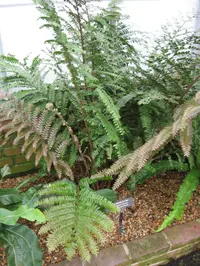
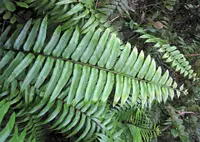
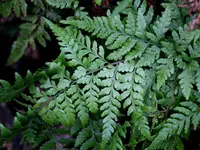
Golden leatherfern, Acrostichum aureum, is a large, coarse fern typically found in mangroves, coastal swamps, and brackish marshes. It forms bold clumps with stiff, upright fronds that can develop bronze or reddish tones when young.

This species is native to tropical and subtropical coasts in Asia, Africa, and the Americas, where it tolerates salt, periodic flooding, and intense sun. Its toughness and adaptability make it resilient, but its eventual size and need for steady moisture mean it suits spacious, consistently damp sites or specialized containers.

In cultivation, it prefers warm temperatures, high humidity, and wet, organic, slightly salty or at least mineral-rich substrates, so understanding how to care for golden leatherfern is important before planting.

Main Plant Requirements

Care Difficulty

Moderate Care

Light Preference

Partial Sun

Water Requirements

Aquatic

Temperature Preference

Tropical / Frost Sensitive

Hardiness Zone

10–12

Soil Texture

Sandy, Loamy, Silty

Soil pH

Slightly acidic (6.5–7.0), Neutral (7.0)

Soil Drainage

Waterlogged tolerant

Fertilization

Minimal (feed rarely)

Get Personalized Care Plan

Scan your plant to receive care tips personalized for your specific plant

Available on iOS and Android

How to Care for the golden leatherfern

This coastal fern thrives in bright, warm conditions but is sensitive to intense, drying sun inland.

  • Provide 4–6 hours of bright light daily, ideally with gentle morning sun and dappled or filtered light from late morning onward.
  • Allow partial shade, especially in hot climates, where midday to afternoon sun can scorch fronds and bleach their color.
  • In cooler seasons or cloudy coastal areas, choose a more open site; in strong summer sun, use taller plants or shade cloth to diffuse light.

This species is naturally adapted to very moist to waterlogged conditions with low risk of root rot.

  • Maintain consistently wet soil; do not allow the top layer to dry more than 1–2 cm, especially during warm weather.
  • In summer, watch for limp or crisping frond tips as signs of underwatering; in standing water with rotting bases, improve oxygenation or drainage slightly.
  • During cooler months, keep soil saturated but reduce added water if growth slows and evaporation drops, avoiding sudden full drying.

This fern prefers warm, frost-free climates typical of tropical and subtropical coasts.

  • Aim for 70–86°F (21–30°C) for strongest growth, which aligns with natural mangrove and estuary conditions.
  • Tolerates short dips to about 50°F (10°C) but suffers damage below 45°F (7°C) and is highly sensitive to frost.
  • In hot spells above 95°F (35°C), combine constant moisture with partial shade and airflow to prevent heat stress and frond scorch.

This fern prefers consistently moist, humid air similar to coastal and mangrove environments.

  • Aim for 60–80% humidity; it tolerates brief dips lower but prolonged indoor air below 40% can stress golden leatherfern.
  • Watch for crisping pinna tips, rolled fronds, and stalled new growth as signs of humidity stress rather than underwatering.
  • Increase humidity with a large pebble tray under the pot, grouping plants closely, or using a cool-mist humidifier nearby.

Acrostichum aureum thrives in saturated, organic, marsh-like substrates rather than typical houseplant mixes.

  • Use a heavy loam-based mix with 50–70% organic matter such as composted bark, leaf mold, or coconut coir to mimic wet coastal mud.
  • Allow slow drainage or near-standing water; a wide, shallow container saucer that remains water-filled suits this semi-aquatic fern.
  • Target pH around 6.0–7.5; avoid strongly alkaline mixes that reduce nutrient availability and weaken frond color.
  • Improve structure by blending loam, compost, and a small portion of sand for stability, avoiding large amounts of perlite that dry the root zone too quickly.

This species can grow in containers if the setup safely holds very wet or even waterlogged substrate.

  • Choose a wide, heavy pot or tub to stabilize tall, arching fronds and prevent tipping in wind or when the soil is waterlogged.
  • Use an outer watertight cachepot or basin to hold standing water while the inner pot contains the soil mix and roots.
  • Position the container where splashing, overflow, and salt buildup from coastal irrigation will not damage nearby surfaces or plants.

This coastal fern benefits from light, steady nutrition in containers or poor soils, but established plants in rich, wet ground need little feeding.

  • Use a balanced, low-salt fertilizer (for example 10-10-10) at 1/2 strength during the warm growing season.
  • Apply every 6–8 weeks for container-grown golden leatherfern or plants in nutrient-poor sites.
  • Incorporate a thin layer of compost or a mild slow-release fertilizer into the topsoil, avoiding direct contact with rhizomes.
  • Reduce or stop feeding in cooler months when growth slows, resuming only once new fronds appear.

Pruning Acrostichum aureum is mainly hygienic, helping maintain tidy growth and healthy fronds.

  • Best time is late winter or early spring before strong new growth, with light touch-ups through the growing season.
  • Remove dead, yellowing, salt-burned, or storm-damaged fronds at the base with clean, sharp pruning shears.
  • Thin a few crowded interior fronds to improve air movement and maintain an open, upright shape.
  • Disinfect tools between plants to limit disease spread, especially in humid, marshy sites.

This large wetland fern is usually grown in the ground or marshy beds, with transplanting done only when necessary.

  • Plan transplanting for warm, moist periods in spring or early summer to encourage rapid re-establishment.
  • Look for signs such as roots circling a container, water running off quickly, or slowed frond growth before moving plants.
  • Lift with a generous soil ball, keeping rhizomes and roots intact, and replant at the same depth in consistently wet, organic soil.
  • Water thoroughly afterward, shade from intense sun for 7–10 days, and avoid disturbing the root zone while new growth resumes.

This fern is most practically propagated by division, with spore propagation reserved for patient, advanced growers.

  • Divide established clumps in warm spring when new fronds are just emerging and soil is moist.
  • Lift a portion of the rhizome with several healthy fronds and attached roots, then plant into saturated, organic substrate.
  • Keep divisions in high humidity and bright, filtered light, avoiding strong direct sun until vigorous new growth appears.
  • Spore sowing requires sterile, constantly moist media and stable warmth, and is slower than division for garden use.

In frost-free, tropical to subtropical climates this fern needs minimal winter attention, but it is very frost sensitive.

  • Avoid planting outdoors where temperatures regularly fall below 40°F; severe damage occurs near freezing.
  • In marginal climates, mulch the root zone lightly with coarse organic matter, keeping rhizomes just covered.
  • Move container plants indoors or into a heated greenhouse before the first cold snap, maintaining wet soil and high humidity.
  • Remove any cold-damaged fronds in late winter to reduce disease risk and encourage fresh growth in spring.

Care Tips

Brackish water tolerance

If growing near the coast, this fern can tolerate mildly brackish irrigation water, but periodically flush containers or beds with fresh water to prevent salt buildup around the roots.


Rhizome depth management

Plant the thick rhizomes just below the surface and top up with a 2–3 cm layer of coarse, clean sand or fine grit once a year to stabilize the plant and reduce crown rot in heavy, wet substrates.

Wind exposure control

In exposed coastal sites, install low windbreaks or group plants together so the tall fronds do not snap or lean excessively, which helps maintain an upright, dense clump.

Tidal or flood simulation

In large outdoor containers, place pots in a shallow tray and allow periodic flooding and draining to mimic natural tidal cycles, which supports strong root development when growing golden leatherfern.

Frond selection pruning

When harvesting fronds for decorative use, always remove the oldest, outer fronds first and leave the younger central fronds intact to maintain continuous photosynthesis and steady regrowth.

Common Pests and Diseases

Scale insects

This pest sometimes colonizes fronds and lower stems, especially on plants growing in more sheltered, less tidal sites. Symptoms include small, rounded or oval bumps, sticky honeydew, and sooty mold on the leathery fronds.

Solution

Wipe or gently scrub infested fronds with a soft brush or cloth dipped in mild soapy water, then rinse with clean water; repeat weekly until new growth is clean. For persistent infestations in outdoor stands, use a narrow-range horticultural oil at low tide or during dry periods, coating the stems and frond bases while avoiding direct application to surrounding water where possible.

Fern mealybugs

These insects can hide in the frond bases and along the midribs, producing cottony clusters and causing gradual yellowing or stunting. This pest is more likely on plants grown away from direct tidal wash or in containers near the coast.

Solution

Remove visible clusters with a cotton swab or soft brush dipped in alcohol or soapy water, then rinse foliage thoroughly. If needed, apply horticultural oil or insecticidal soap to all frond bases and undersides at 7–10 day intervals until no new white masses appear, ensuring good air movement around the plant.

Leaf spot fungi

This disease appears as brown, purple, or dark irregular spots on older fronds, sometimes with a yellow halo, and can be favored by warm, stagnant, splashy conditions in dense stands. Symptoms include premature browning and shedding of heavily spotted leaflets.

Solution

Prune and remove heavily spotted or dying fronds, disposing of them away from the site to reduce spore spread. Improve air movement by thinning very dense patches and, in cultivation, avoid frequent overhead watering; if spots continue to spread on valuable plantings, a labeled fern-safe fungicide can be used according to coastal and wetland regulations.

Rhizoctonia stem rot

This disease can affect the lower stem and rhizome in overly stagnant or artificially impounded brackish sites, causing dark sunken lesions, wilting fronds, and collapse of affected crowns. Symptoms include a brown, sometimes web-like fungal growth at the stem base in very wet, low-oxygen substrates.

Solution

Excavate and discard severely affected crowns, then improve drainage and restore more natural water movement where possible to limit anaerobic conditions. For cultivated or restored plantings, replant only healthy divisions into aerated, well-structured, saline-appropriate substrate and avoid burying the rhizome too deeply.

Interesting Facts

Mangrove-edge specialist

This fern naturally grows in the upper intertidal zone of tropical and subtropical coasts, often forming dense stands at the landward edge of mangrove forests where few other ferns tolerate the conditions.

Unusual salt tolerance

Unlike most ferns, it tolerates brackish water and salt spray, thanks to thick, leathery fronds and specialized tissues that limit salt damage and water loss.

Dimorphic fronds

The plant produces two distinct frond types: broad, mostly sterile fronds for photosynthesis and narrower, heavily spore-covered fertile fronds that appear darker and more rigid.

Botan icon

Did you know?

Golden leatherfern can reach over 2 m tall in favorable coastal sites, making it one of the largest ferns regularly found in mangrove habitats and giving it a shrub-like appearance rather than the low, delicate form often associated with ferns.

FAQs about golden leatherfern

This species spreads by thick creeping rhizomes and can form large colonies in consistently wet sites. In small gardens or ponds, use root barriers or containers and divide clumps periodically to prevent it from overtaking other plants.

Grow Healthy Plants with Botan Care

Keep your plants happy and healthy with plant identification, disease detection, and easy care guidance.

Botan plant care app — identify plants on mobile

Explore More Plants