giant blue iris Care (Iris giganticaerulea)

giant blue iris

About giant blue iris

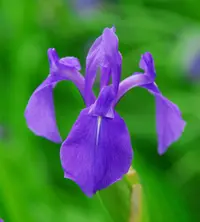
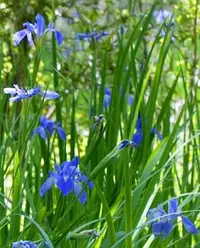
The giant blue iris, Iris giganticaerulea, is a rhizomatous perennial native to marshes and wet prairies of the US Gulf Coast, especially Louisiana. It forms tall, upright fans of sword-shaped green leaves and produces large, striking blue to violet flowers in late spring. The blooms often have yellow or white markings that help attract pollinators. This species suits gardeners who can provide consistently moist soil and full sun to light shade. It is generally robust but needs reliable moisture and does best in rich, slightly acidic, organic soil, which shapes how to care for giant blue iris in garden settings.

Main Plant Requirements

Care Difficulty

Moderate Care

Light Preference

Full Sun

Water Requirements

Aquatic

Temperature Preference

Warm Climate

Hardiness Zone

8–11

Soil Texture

Sandy, Loamy, Organic-rich

Soil pH

Acidic (5.5–6.5), Slightly acidic (6.5–7.0)

Soil Drainage

Waterlogged tolerant

Fertilization

Minimal (feed rarely)

Get Personalized Care Plan

Scan your plant to receive care tips personalized for your specific plant

Available on iOS and Android

How to Care for the giant blue iris

This tall Louisiana iris thrives in consistent, bright outdoor light with ample direct sun.

  • Provide 6–8 hours of direct sun daily; in hot inland areas, prioritize morning sun with light afternoon shade to reduce stress.
  • Allow light dappled or partial shade (3–4 hours direct sun) in summer; flowering may decrease slightly but foliage stays healthier.
  • In very hot climates, protect giant blue iris from intense late-afternoon sun to limit leaf scorch and premature flower fade.

This species is naturally adapted to wet habitats and prefers consistently moist to saturated soil.

  • Aim for soil that stays moist to wet at all times; in garden beds, avoid allowing the top 2–3 cm to dry out completely.
  • During active growth and bloom, increase water so the root zone never dries; near ponds or in boggy areas, it can tolerate shallow standing water.
  • Reduce watering only slightly in cooler months, watching for drooping leaves (too dry) or yellowing, soft fans and foul odor (waterlogged, rotting rhizomes).

This iris is adapted to warm, humid climates but tolerates a modest range of temperatures through the year.

  • Support strongest growth and flowering at 70–85°F (21–29°C), which aligns with typical late-spring and summer conditions in warm regions.
  • The plant usually survives brief drops to about 20°F (-6°C) once established, but foliage may burn and heavy, repeated freezes can damage rhizomes.
  • In heat above 95°F (35°C), ensure ample water and some late-day shade; in colder zones, mulching crowns lightly in winter helps buffer temperature swings.

Humidity is not critical for Iris giganticaerulea, which is adapted to wetlands but tolerates typical outdoor ranges.

  • Prefers 40–70% humidity, thriving best where air moisture is moderate to high outdoors.
  • Tolerates short dry spells if soil stays consistently moist or shallowly flooded.
  • Low humidity stress appears mainly when combined with dry soil, causing browning leaf tips and reduced flowering.

Iris giganticaerulea prefers consistently wet, organic-rich soil that mimics marsh or bog conditions.

  • Use a heavy loam rich in organic matter, such as garden loam mixed with 30–40% compost, to hold moisture and nutrients.
  • Allow very slow drainage or even shallow standing water; avoid fast-draining sandy mixes that dry out quickly.
  • Aim for slightly acidic to neutral pH, roughly 6.0–7.0, which supports nutrient uptake and healthy growth.
  • Improve structure by mixing in well-rotted leaf mold or peat-free bog compost, avoiding gravel or large amounts of perlite that increase drainage too much.

This species can grow in large containers if those containers can hold consistently wet or shallowly flooded substrate outdoors.

  • Choose a deep, heavy container 30–40 cm wide or more to provide root spread and prevent tipping in wind once foliage is tall.
  • Use a saucer or outer cachepot without drainage holes to maintain 2–5 cm of standing water above the soil surface.
  • Position the container where rain can regularly top up water levels, or install a slow-drip system to keep the substrate from drying.

This native iris performs well in average soil but benefits from light feeding in poor or very sandy sites.

  • Use a balanced, slow-release fertilizer (around 10-10-10) or a thin layer of compost in early spring as new growth starts.
  • Apply fertilizer once more in midseason if growth looks weak, keeping granules off rhizomes and leaves.
  • Use half-strength liquid fertilizer if watering in containers or very lean beds, preventing salt buildup.
  • Stop feeding giant blue iris in late summer so plants can harden growth before cooler weather.

Pruning Iris giganticaerulea focuses on hygiene and maintaining strong flowering rather than reshaping the plant.

  • After blooms fade, cut spent flower stalks down to the foliage base to reduce seed set and tidy the clump.
  • Remove yellow, dead, or damaged leaves at any time using clean, sharp scissors or hand pruners.
  • In late fall or very early spring, trim away tattered foliage, leaving healthy fans to keep feeding the rhizomes.
  • Thin out congested fans during division to open the clump, improving air flow and future flowering.

This species is usually grown in the ground in damp sites, so care centers on dividing and transplanting mature clumps.

  • Check every 3–4 years for crowded rhizomes, declining bloom, or fans shading each other, which indicates a need to lift and divide.
  • Plan division for late summer to early fall, when flowering has finished and soil is still warm.
  • Lift clumps gently with a garden fork, tease apart rhizomes, and trim any mushy or damaged roots to limit stress.
  • Replant divisions so rhizomes sit just at or slightly above soil level, water well, and keep soil evenly moist until reestablished.

Gardeners usually increase Iris giganticaerulea by division rather than by seed to maintain known flower traits.

  • Divide established clumps in late summer to early fall, when soils are warm and flowering has finished.
  • Lift the clump, cut rhizomes into sections with 1–2 healthy leaf fans and firm white roots.
  • Shorten leaves to 15–20 cm to reduce water loss, then plant sections at the original depth in moist soil.
  • For seed propagation, sow fresh seed in cool, evenly moist conditions and allow natural winter chilling for germination.

This iris is adapted to mild, wet winters and has limited tolerance for hard freezes.

  • In USDA zones 8–10, plants usually overwinter in the ground without extensive protection if soil stays moist but not waterlogged.
  • Where temperatures drop below about 20°F, add a 5–8 cm mulch layer around, not over, rhizomes to buffer freeze–thaw cycles.
  • Container-grown plants in colder areas should be moved into a frost-free but cool, bright space for winter.
  • Avoid cutting foliage completely to the ground before extreme cold, so remaining leaves can continue supporting the rhizomes.

Care Tips

Rhizome Elevation

Plant rhizomes so their tops sit just at or slightly above the soil surface, and brush off any mulch that covers them to reduce rot and encourage stronger flowering when growing giant blue iris.

Seasonal Water Table Check

In late winter, check that planting sites do not hold standing water for more than 24 hours, and if they do, create a shallow raised bed or mound 5–10 cm high to keep rhizomes from remaining submerged.

Clump Renewal Division

Every 3–4 years, lift and divide congested clumps after flowering, discarding woody, hollow-centered rhizomes and replanting only the firm, outer sections to maintain vigor and bloom quality.

Targeted Deadleaf Removal

Remove yellowing or spotted leaves by cutting them cleanly at the base rather than pulling, which limits entry points for soft rot and leaf spot pathogens in wet conditions.

Slug And Snail Barriers

Place rough, dry barriers such as sharp horticultural grit in a 5–10 cm band around clumps and clear dense groundcover nearby to reduce slug and snail damage to new fans and flower stalks.

Common Pests and Diseases

Iris borer

This pest tunnels into leaves and rhizomes, causing streaked, collapsing foliage and mushy, foul-smelling rhizome sections. Damage can be severe in clump-forming Louisiana irises grown in garden beds near their native range.

Solution

Remove and destroy any infested, streaked leaves in early spring before larvae reach the rhizomes, and dig out and discard badly damaged rhizome sections. Keep the area free of old iris debris where eggs overwinter, and in regions with a history of iris borers use a targeted systemic insecticide labeled for iris borers just as new foliage emerges, following label directions carefully.

Leaf spot (Didymellina)

This disease causes small water-soaked spots on leaves that enlarge into brown lesions with yellowish halos, leading to premature leaf dieback in humid, warm conditions typical for Louisiana irises. Symptoms include reduced vigor and unattractive foliage, especially in crowded plantings with poor airflow.

Solution

Remove and discard heavily spotted leaves to reduce spore spread, and thin or divide crowded clumps to improve air movement. Avoid overhead watering, keep foliage dry when possible, and if leaf spot recurs yearly, apply a fungicide labeled for iris leaf spot at the first appearance of spots, repeating as directed.

Bacterial soft rot

This disease breaks down rhizomes into soft, foul-smelling tissue, often following mechanical injury or borer damage in wet or poorly drained soils. Symptoms include yellowing foliage, plant collapse, and rhizomes that ooze and smell sour when pressed.

Solution

Dig up affected plants, cut away all soft or discolored tissue, and discard severely rotted sections instead of composting them. Replant only firm, healthy rhizomes in well-drained, clean soil, keep waterlogged conditions to a minimum, and sanitize tools with a disinfectant between plants to prevent spread.

Rust

This disease produces orange to brown powdery pustules on leaves and flower stalks, which can be noticeable in warm, humid climates where Louisiana irises are common. Symptoms include yellowing leaves and reduced flowering when infections are heavy or repeated over seasons.

Solution

Remove and destroy infected leaves as soon as pustules appear and avoid overhead irrigation that keeps foliage wet for long periods. Increase spacing for better air circulation, and in gardens with annual rust problems use a labeled fungicide at the first sign of pustules, rotating products if needed to slow resistance.

Aphids

These insects cluster on new shoots, leaf bases, and flower stalks, sucking sap and sometimes transmitting viral diseases in Louisiana iris plantings. Symptoms include distorted young growth, sticky honeydew on leaves, and sooty mold developing on the honeydew surface.

Solution

Wash colonies off with a firm stream of water, repeating every few days until populations drop, and encourage natural predators such as lady beetles by avoiding broad-spectrum insecticides. For persistent infestations, use insecticidal soap or a horticultural oil labeled for aphids, ensuring thorough coverage of stems and the undersides of leaves.

Interesting Facts

Louisiana wetland specialist

This species is native to coastal Louisiana marshes and swamps, where it is adapted to seasonally flooded, low-oxygen soils and brackish influences near the Gulf of Mexico.

Hybrid parent of group

It is one of the primary wild parents of the cultivated Louisiana iris hybrids, contributing strong blue coloration and tolerance of standing water to many modern ornamental forms.

Blue flower variability

Its large flowers range from pale, almost silvery blue to deep violet-blue, often with yellow or white signal patches that guide pollinators to the nectar source.

Botan icon

Did you know?

This species can form extensive clonal colonies in marshes through its rhizomes, creating dense stands that help stabilize soft, silty substrates and provide structural habitat for amphibians and aquatic invertebrates.

FAQs about giant blue iris

Lack of flowering often comes from plants being too young, overcrowded rhizomes, or insufficient winter chill. Heavy nitrogen feeding and deep planting can also reduce bloom. Divide clumps periodically and use balanced fertilizer to restore flowering.

Grow Healthy Plants with Botan Care

Keep your plants happy and healthy with plant identification, disease detection, and easy care guidance.

Botan plant care app — identify plants on mobile

Explore More Plants