narrowleaf evening primrose Care (Oenothera fruticosa)

Also known as: Shrubby sundrops, narrow-leaved sundrops, narrow-leaved evening-primose
narrowleaf evening primrose

About narrowleaf evening primrose

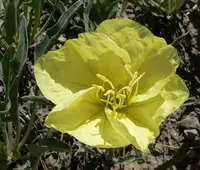
Narrowleaf evening primrose, Oenothera fruticosa, is a sun-loving perennial wildflower grown mainly for its bright yellow, saucer-shaped blooms. It forms upright, clumping stems with slender leaves that give a light, airy look in borders and naturalistic plantings.

This species is native to eastern North America, where it grows in open meadows, roadsides, and dry, sunny slopes. It is generally easy to grow, as it tolerates poor, sandy soils and short dry periods once established.

Gardeners who want to care for narrowleaf evening primrose should provide full sun, reasonably well-drained soil, and avoid very rich conditions that can make the plants floppy.

Main Plant Requirements

Care Difficulty

Easy Care

Light Preference

Full Sun

Water Requirements

Moderate Water

Temperature Preference

Cold Hardy

Hardiness Zone

4–8

Soil Texture

Sandy, Loamy, Rocky

Soil pH

Acidic (5.5–6.5), Slightly acidic (6.5–7.0)

Soil Drainage

Well-drained

Fertilization

Minimal (feed rarely)

Get Personalized Care Plan

Scan your plant to receive care tips personalized for your specific plant

Available on iOS and Android

How to Care for the narrowleaf evening primrose

This sun-loving perennial performs best with strong light to support flowering.

  • Provide 6–8 hours of direct sun daily; morning and midday sun promote the heaviest bloom for narrowleaf evening primrose.
  • Accepts light afternoon shade, especially in hotter regions, but flowering and compact growth decline in sites with less than 4 hours of direct sun.
  • In summer, avoid reflected heat from walls or pavement that can scorch foliage, and in cloudy or shaded sites expect taller, weaker stems and fewer flowers.

This species prefers evenly draining, slightly dry soil rather than constant moisture.

  • Allow the top 3–5 cm of soil to dry between waterings; foliage that droops but perks up after rain suggests it was slightly too dry.
  • Ensure gritty, well-drained soil to prevent root rot; standing water or a sour smell around Oenothera fruticosa indicates overwatering.
  • In cool seasons and during dormancy, reduce watering sharply, while in hot, dry spells water more deeply but less often so moisture reaches the full root zone.

This hardy perennial tolerates a broad temperature range once established outdoors.

  • Ideal growing temperatures are about 65–80°F (18–27°C), with active shoot and flower growth strongest in late spring and early summer.
  • Winter-hardy in many temperate regions, mature plants usually survive down to about -20°F (-29°C) when in well-drained soil and mulched crowns.
  • Handles summer heat up to about 90–95°F (32–35°C) if soil is not waterlogged; extended extreme heat with drought can cause wilting and early leaf scorch.

Humidity is not a major factor for this species, which prefers dry to moderately humid air.

  • Performs well in 30–50% humidity, similar to typical outdoor summer conditions in many regions.
  • Tolerates dry air; leaf scorch usually indicates drought or heat stress rather than low humidity.
  • For narrowleaf evening primrose in very arid, windy spots, a low windbreak or nearby mulch can slightly buffer moisture loss.

This species prefers light, free-draining mineral soils rather than dense, moisture-retentive substrates.

  • Use sandy or sandy-loam soil with 20–30% coarse sand or fine gravel to keep the structure open and fast-draining.
  • Maintain pH around 6.0–7.5; it tolerates slightly acidic to slightly alkaline ground without special amendment.
  • Incorporate only a modest amount of compost (10–20%) so organic matter improves structure but does not hold excessive water.
  • Avoid heavy clay, peat-heavy mixes, or compacted beds; raised beds or berms help Oenothera fruticosa avoid root rot in wet climates.

This species is suitable for containers if the potting setup mimics its preference for lean, sharply drained soil.

  • Choose a pot slightly deeper than the root system with a broad surface area to accommodate its spreading, clumping growth habit.
  • Use a mineral-based mix (regular potting mix cut with 40–50% coarse sand or grit) to prevent prolonged saturation after rain or watering.
  • Select a heavier clay or ceramic container in windy sites to stabilize the plant’s upright stems and reduce tipping as it flowers.

This adaptable perennial needs only light feeding, especially in poor or very sandy soils.

  • Use a balanced, slow-release fertilizer (for example 10-10-10) or a thin layer of compost in early spring to support growing narrowleaf evening primrose.
  • Apply once at the start of the main growing season; avoid multiple high-nitrogen applications that cause weak, floppy growth.
  • Dilute liquid feeds to 1/2 strength if used, and water beforehand to prevent root burn.
  • Stop fertilizing in late summer so growth can harden off before winter dormancy.

Pruning Oenothera fruticosa is mainly done to keep the clump tidy and encourage repeat flowering.

  • In late spring to mid-summer, deadhead spent blooms by cutting flower stems back to a healthy leaf node.
  • Remove dead, damaged, or diseased stems at the base using clean, sharp hand pruners to limit infection risk.
  • Thin overly crowded shoots after flowering to improve air flow and maintain a neat mound.
  • Shear back the entire plant lightly after the main flush of flowers to encourage a shorter, denser second growth.

This species is most often grown in garden beds, where transplanting is only occasionally needed.

  • Transplant clumps in early spring or early fall when temperatures are mild and soil is workable.
  • Look for signs such as thinning flowering, crowded crowns, or poor vigor rather than roots circling a pot, since containers are uncommon.
  • Lift clumps with a spade, keeping as much root ball and surrounding soil intact as possible to reduce shock.
  • Replant at the same depth in well-drained soil, water thoroughly, then keep evenly moist for 1–2 weeks while roots reestablish.

Oenothera fruticosa is commonly propagated by division or seed to refresh plantings and expand a colony.

  • Divide mature clumps in early spring or early fall, separating sections with several shoots and a good root portion.
  • Replant divisions immediately into well-drained soil, firm gently, and water consistently until new growth resumes.
  • Collect seeds after pods dry, then sow in late fall outdoors for natural cold stratification or in spring after a short chill period.
  • Provide full sun and evenly moist, not waterlogged, soil for best germination and establishment.

This perennial is generally cold hardy in much of the US and needs minimal winter attention in the ground.

  • Tolerates typical frost in USDA zones where it is commonly grown, though very young plants benefit from light protection.
  • After hard frost, cut back spent stems to a few cm above soil to reduce disease carryover.
  • Apply a 3–5 cm layer of mulch around, not on top of, crowns to buffer freeze–thaw cycles.
  • In cold regions, move container plants into a sheltered, unheated space and water sparingly to keep soil just barely dry.

Care Tips

Staggered Renewal

Every 2–3 years, dig up and divide congested clumps in early spring, replanting only the youngest, healthiest sections to keep flowering consistent and prevent the center of the clump from thinning out.


Self‑Seeding Management

After the first heavy flush of bloom, deadhead most spent flowers but leave a few seed pods on vigorous plants at the back of the border if you want controlled reseeding without the plant becoming weedy.

Low Support Strategy

In windy or exposed sites, place low, discreet plant rings or short peony hoops around emerging shoots in spring so stems stay upright and flowers remain visible without needing later staking.

Targeted Pest Scouting

From late spring, inspect stems and flower buds weekly for aphids and flea beetle damage, and if found, wash them off with a firm water spray in the morning to reduce populations before they spread through the planting.

Winter Drainage Check

In fall, top‑dress around clumps with a thin layer of coarse gravel or grit to keep crowns slightly raised, which helps prevent winter crown rot and improves long‑term success when growing narrowleaf evening primrose.

Common Pests and Diseases

Aphids

This pest feeds on tender shoots and flower stems, sucking sap and causing distortion, curling, and sticky honeydew on narrowleaf evening primrose. Symptoms include stunted growth and reduced flowering in dense colonies.

Solution

Rinse stems and buds with a strong stream of water to dislodge colonies, and prune heavily infested shoot tips. If needed, apply insecticidal soap or a ready-to-use neem oil spray in the early morning, repeating every 7–10 days until populations decline, and avoid high-nitrogen fertilizer that encourages soft, aphid-prone growth.

Spider mites

These insects are tiny sap-feeders that thrive in hot, dry conditions, causing fine stippling, dull foliage, and sometimes fine webbing on leaves and stems. Symptoms include gradual yellowing and leaf drop when populations are high.

Solution

Increase humidity around the plants and hose down foliage, focusing on the undersides of leaves to remove mites. For persistent issues, use insecticidal soap or horticultural oil at labeled rates and improve air movement by thinning crowded stems around the planting area.

Leaf spots

This disease is usually fungal and produces small brown, tan, or purplish spots on leaves that may merge and cause premature leaf drop in humid conditions. Symptoms include a speckled or blotchy appearance, most often on lower or older foliage.

Solution

Remove and discard affected leaves and any fallen plant debris to reduce spores, and water at soil level instead of overhead to keep foliage dry. In sites with repeated problems, improve spacing and air circulation, and consider applying a labeled ornamental fungicide at the first sign of spotting during long wet periods.

Powdery mildew

This disease appears as a white or gray powdery coating on leaves and stems, typically in warm days and cool, humid nights. Symptoms include distorted new growth, reduced vigor, and early leaf yellowing if the infection is heavy.

Solution

Cut back and discard heavily infected stems and any fallen leaves, then thin nearby vegetation to increase airflow and sun exposure. Avoid overhead watering, and if needed, use a sulfur or potassium bicarbonate fungicide labeled for ornamentals, applying at the first visible patches and repeating as directed.

Leaf miners

These insects are larvae that tunnel within leaves, creating winding, pale trails that can make foliage look blotchy or serpentine. Symptoms include cosmetic damage and, in heavy infestations, some reduction in photosynthesis and vigor.

Solution

Hand-remove and discard mined leaves as soon as trails appear to break the life cycle, and keep the area clear of plant debris. Where damage recurs, floating row covers can exclude adult flies early in the season, and targeted systemic insecticides labeled for ornamentals may be used according to directions in severe, repeated infestations.

Interesting Facts

Daytime-blooming evening primrose

Unlike many other evening primroses that open at dusk, this species typically opens its bright yellow flowers in full daylight, making it an important nectar source for daytime pollinators such as bees and hoverflies.

Clonal clump formation

It spreads slowly via short rhizomes (underground stems), forming long-lived clumps that can persist for many years in the same spot without becoming aggressively invasive.

Red-tinged autumn foliage

After flowering, its narrow leaves often develop red or bronze tones in late season, adding ornamental value beyond the main bloom period and making Oenothera fruticosa plant care attractive to gardeners seeking multi-season interest.

Botan icon

Did you know?

This species is native to dry, open habitats of eastern North America and has adapted to nutrient-poor, sandy or rocky soils, which allows it to thrive in sites where many more demanding garden perennials struggle to survive.

FAQs about narrowleaf evening primrose

This species is highly attractive to native bees, hoverflies, and some butterflies. Bright yellow flowers provide both nectar and pollen. Planting several together increases visibility and supports pollinators throughout its summer blooming period in temperate gardens.

Grow Healthy Plants with Botan Care

Keep your plants happy and healthy with plant identification, disease detection, and easy care guidance.

Botan plant care app — identify plants on mobile

Explore More Plants