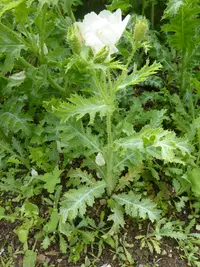
azure bluet Care (Houstonia caerulea)

Also known as: common bluet, Quaker ladies
azure bluet

About azure bluet

Azure bluet, Houstonia caerulea, is a small, low-growing perennial wildflower in the coffee family. It forms delicate mats or loose clumps that soften garden edges and paths. Tiny pale blue to white flowers with yellow centers appear in spring, creating a fine-textured carpet over the foliage. In nature it occurs in eastern North America, often in open meadows, lawns, and light woodland clearings with cool, moist conditions. The plant stays compact and has shallow roots, which makes it easy to tuck into small spaces but sensitive to drying out. It prefers sun to light shade and moist, well-drained, slightly acidic soil, which guides how to care for azure bluet.

Main Plant Requirements

Care Difficulty

Moderate Care

Light Preference

Partial Sun

Water Requirements

Regular Water

Temperature Preference

Cold Hardy

Hardiness Zone

3–8

Soil Texture

Sandy, Loamy, Organic-rich

Soil pH

Strongly acidic (4.5–5.5), Acidic (5.5–6.5)

Soil Drainage

Moist but well-drained

Fertilization

Minimal (feed rarely)

Get Personalized Care Plan

Scan your plant to receive care tips personalized for your specific plant

Available on iOS and Android

How to Care for the azure bluet

This small perennial prefers bright, gentle light that mimics open woodland edges.

  • Provide 4–6 hours of morning sun with light afternoon shade; east or northeast exposures suit azure bluet best in garden settings.
  • Allow dappled or filtered light under deciduous shrubs or trees; strong midday sun in open sites can scorch leaves and dry shallow roots.
  • In hotter summers, increase shade after 1–2 pm, while in cooler climates it tolerates more direct sun if soil stays consistently moist.

This species needs consistently moist but not waterlogged soil, especially during active spring growth.

  • Water when the top 1–2 cm of soil feels slightly dry, then moisten the root zone thoroughly without leaving standing water.
  • In spring and early summer, monitor closely during dry spells; in cooler or rainy periods, reduce watering to avoid soggy soil and root rot in Houstonia caerulea.
  • Watch foliage for cues: wilting and dull, dry leaves suggest underwatering, while yellowing, limp growth and algae or moss on soil indicate overwatering.

This cool-season perennial is hardy and prefers moderate temperatures with protection from extreme heat.

  • Optimal growth occurs around 55–70°F (13–21°C), especially in spring and early summer when flowering is strongest.
  • Established plants tolerate winter cold down to about 0°F (−18°C) with snow cover or mulch, but sudden freeze–thaw cycles can heave shallow roots.
  • In hot climates, prolonged heat above 85°F (29°C) can stress plants; provide afternoon shade and consistent moisture to reduce temperature stress.

This species prefers moderate, even moisture in the air but usually adapts to typical home or outdoor humidity.

  • Target 40–60% humidity to keep foliage and blooms of azure bluet from drying at the edges.
  • It tolerates slightly dry air if soil moisture is consistent, but very dry heated rooms can cause crisp leaf tips and shorter flowering.
  • Increase humidity locally by grouping pots, placing trays of water with pebbles nearby, or growing in a sheltered spot that avoids strong drying wind.

Houstonia caerulea prefers light, moist, and well-drained soil that does not stay soggy.

  • Use a loose, fine-textured mix such as sandy loam with 30–40% compost or leaf mold to mimic woodland or meadow conditions.
  • Ensure rapid drainage by blending in coarse sand or fine grit; avoid heavy clay that compacts and holds water around roots.
  • Aim for slightly acidic soil, about pH 5.5–6.5, which supports nutrient uptake and stronger flowering.
  • Improve aeration by avoiding over-compaction, watering gently, and mulching with a thin layer of fine bark or leaf mold rather than dense, heavy mulches.

This small, shallow-rooted species can be grown in containers if moisture and drainage are managed carefully.

  • Choose a wide, shallow pot to match its spreading, mat-forming habit and prevent the root zone from sitting in deep, wet soil.
  • Select terra-cotta or other porous materials if outdoor conditions are cool and damp, but use glazed pots in hot, dry sites to slow water loss.
  • Raise the pot on feet or bricks so drainage holes stay clear and rainwater can exit quickly, preventing crown rot in wet weather.

Houstonia caerulea needs only light feeding in average garden soil.

  • Use a thin layer of fine compost or a low-dose balanced NPK fertilizer (such as 5-5-5) in early spring to support flowering.
  • Apply a diluted liquid balanced fertilizer at 1/4–1/2 strength once every 4–6 weeks during the active growing season.
  • Avoid heavy or high-nitrogen products, which cause weak growth and reduce flower density.
  • Stop feeding in late summer so plants can harden off and rest through fall and winter.

Houstonia caerulea benefits from light, precise pruning rather than heavy cutting.

  • Best timing is after the main flush of spring flowering, with only light touch-ups later in the season.
  • Shear or pinch off spent flower heads to encourage a denser mat and a modest repeat bloom.
  • Remove any dead, damaged, or diseased foliage with clean, sharp scissors or small snips.
  • Avoid cutting back into woody crowns; maintain the plant’s natural low, tufted form.

This species is most often grown in the ground, so focus on gentle transplanting rather than frequent repotting.

  • Transplant Houstonia caerulea in early spring or early fall when temperatures are mild and soil is moist.
  • Look for clumps that have thinned in the center, show slow growth, or have roots circling a small pot as signs it needs more space.
  • Lift clumps with a trowel, keeping a solid soil ball around the fine roots to minimize stress and drying.
  • Replant at the same depth in a well-drained, slightly acidic spot, then water thoroughly and shade lightly for several days.

Houstonia caerulea is commonly propagated by seed and by careful division of established clumps.

  • Divide healthy clumps in early spring, lifting with a trowel and separating into small sections with roots attached.
  • Replant divisions immediately into moist, well-drained, acidic soil, keeping crowns at the original depth.
  • Sow fresh seeds on the soil surface in fall or very early spring, as they benefit from cold exposure for germination.
  • Maintain consistent moisture and bright, indirect light until new seedlings or divisions establish strong growth.

This species is generally cold hardy in much of its range and needs only minimal winter care outdoors.

  • In regions colder than its usual hardiness zone, apply a light mulch layer (2–3 cm) over the root area after the ground cools.
  • Avoid heavy, soggy mulches that keep the crown wet and increase rot risk during freeze–thaw cycles.
  • Container-grown plants are more exposed; move pots into a sheltered, unheated but frost-moderated spot if winters are severe.
  • Do not cut back foliage aggressively in fall; leave some cover to shield crowns, trimming dead growth in early spring.

Care Tips

Protect tiny crowns

Mark and lightly mulch around clumps with fine bark or pine needles so the tiny rosettes are not accidentally stepped on, buried under heavy mulch, or damaged during weeding.


Encourage self-seeding

After peak bloom, leave some spent flowers and seed heads in place so the plant can reseed into nearby open, lightly disturbed soil, gradually forming a natural-looking carpet.

Use low-mow strategy

In lawns or meadow-style plantings, set the mower deck high (7–10 cm) and delay mowing until most seed has dropped, which allows the plants to persist and spread between grass tufts.

Create cool microclimates

Place plants near light-colored rocks, stepping stones, or paths that reflect light but not excessive heat, helping keep roots cool and reducing stress in warmer regions when growing azure bluet.

Gentle weeding method

Hand-weed by pinching and twisting unwanted seedlings between fingers rather than pulling near the clumps, which minimizes disturbance to the very shallow root systems of nearby plants.

Common Pests and Diseases

Leaf spot

This disease causes small brown to dark-purple spots on the tiny leaves, which may merge and cause premature leaf drop in dense mats of plants.

Solution

Remove and discard the most affected clumps to reduce inoculum, avoid overhead watering, and keep foliage as dry as possible. Improve air circulation by thinning crowded patches, and if the problem persists in valuable plantings, apply a light, broad-spectrum fungicide labeled for ornamental groundcovers in early spring according to label directions.

Powdery mildew

This disease appears as a fine white or grayish coating on leaves and stems, which can dull the foliage and reduce flowering in humid, shaded sites.

Solution

Increase sun exposure slightly if possible, avoid overhead watering, and thin surrounding vegetation to improve airflow. In recurring cases, treat early with a low-impact fungicide such as a potassium bicarbonate or sulfur product labeled for ornamentals, applying when conditions first turn warm and humid.

Aphids

These insects cluster on tender stems and flower stalks, sucking sap and causing distortion, yellowing, or sticky honeydew on the fine foliage.

Solution

Rinse colonies off with a firm but gentle stream of water, repeating as needed over several days. For persistent infestations, use insecticidal soap or a light horticultural oil, making sure to coat the small stems and leaf undersides while spraying in cool, shaded conditions.

Slugs and snails

These pests feed on soft foliage and flowers, leaving irregular holes, shredded edges, and slime trails, especially in moist woodland beds.

Solution

Hand-pick at night or early morning, reduce hiding spots such as dense mulch or debris, and use iron phosphate slug baits placed around but not directly on the plant clumps. Keeping the soil surface slightly less wet at night and watering in the morning also makes the area less favorable to them.

Crown rot

This disease causes the central growing points of small clumps to turn brown, mushy, and collapse, often in poorly drained or waterlogged spots.

Solution

Lift and discard severely affected plants and improve drainage by amending soil with fine gravel or sand and avoiding low, saturated areas. Replant healthy divisions at the same level, avoid burying the crowns, and water only enough to keep the soil evenly moist, not saturated, especially in heavy soils when growing azure bluet in garden borders.

Interesting Facts

Native to acidic outcrops

This species naturally grows in nutrient-poor, acidic habitats such as rocky ledges, sandy banks, and thin soils over bedrock in eastern North America, forming low mats in places where many other plants struggle to survive.

Early-season nectar source

Its small pale blue flowers open in early to mid spring and provide nectar and pollen for early-emerging native bees and small flies when few other wildflowers are blooming.

Color change with age

The flowers typically open a clear pale blue with a yellow eye, then often fade toward white as they age, so a single patch can show a gradient of blue to white blossoms at once.

Botan icon

Did you know?

In some eastern North American states, this species is used as an indicator of intact, relatively undisturbed habitats, because it often declines or disappears when areas are heavily fertilized or subjected to intense trampling or development.

FAQs about azure bluet

This species performs best outdoors in cool, moist, well‑drained soil and light shade. Indoor conditions are usually too warm and dry long term, so azure bluet indoor care is typically short‑lived and challenging for most growers.

Grow Healthy Plants with Botan Care

Keep your plants happy and healthy with plant identification, disease detection, and easy care guidance.

Botan plant care app — identify plants on mobile

Explore More Plants