coastal sand verbena Care (Abronia latifolia)

Also known as: Yellow Sand Verbena
coastal sand verbena

About coastal sand verbena

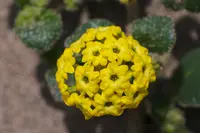
Coastal sand verbena (Abronia latifolia) is a low, spreading perennial adapted to sandy beaches and dunes along the Pacific coast of North America. It forms dense, mat-like clumps with fleshy leaves and rounded clusters of bright yellow, tubular flowers. These flowers attract pollinators and add strong seasonal color to otherwise harsh, exposed sites. The species is naturally salt-tolerant and wind-resistant, but it dislikes heavy disturbance and poorly drained soils. In cultivation, it suits dry, sunny, very well-drained spots, often in sandy or gravelly soil. Gardeners who care for coastal sand verbena should understand its preference for stable, open, coastal-style conditions rather than rich, moist garden beds.

Main Plant Requirements

Care Difficulty

Moderate Care

Light Preference

Full Sun

Water Requirements

Low Water

Temperature Preference

Warm Climate

Hardiness Zone

8–10

Soil Texture

Sandy, Rocky

Soil pH

Slightly acidic (6.5–7.0), Neutral (7.0)

Soil Drainage

Well-drained

Fertilization

Minimal (feed rarely)

Get Personalized Care Plan

Scan your plant to receive care tips personalized for your specific plant

Available on iOS and Android

How to Care for the coastal sand verbena

Abronia latifolia thrives in bright, direct coastal light but adapts to slightly milder inland exposure.

  • Provide 6–8 hours of full sun daily; morning and midday sun are ideal, with some light afternoon shade in very hot inland areas.
  • Plant in an open, unshaded site; it tolerates light partial shade (3–4 hours sun), but flowering and compact growth decrease as shade increases.
  • In summer heat waves, protect from reflected heat off walls or pavement to prevent leaf scorch; in winter, maximize sun by avoiding overshadowing structures or plants.

This coastal dune plant prefers infrequent, deep watering and very fast-draining soil.

  • Allow the top 5–8 cm of sandy soil to dry completely before watering; in natural coastal sites, supplemental water is often unnecessary once established.
  • Use sharply draining, sandy or gritty soil so water clears the root zone within minutes; standing water or heavy clay strongly increases root rot risk for Abronia latifolia.
  • In cooler seasons, water only when foliage looks slightly dull and soil is dry; in hot, windy periods, watch for wilting at midday that persists into evening as a sign it needs a thorough soak.

This native dune species prefers mild, frost-free conditions with good tolerance for summer warmth.

  • Optimal growth occurs around 60–75°F (16–24°C); it remains active in coastal climates with small day–night swings and steady onshore breezes.
  • Plants tolerate brief dips to about 30–32°F (-1–0°C) but can suffer tissue damage or dieback with harder or prolonged frost, especially in exposed inland sites.
  • Heat tolerance is good up to about 85–90°F (29–32°C) when soil is sandy and dry between waterings; above this, flowering may slow and foliage can scorch on highly reflective sand.

This coastal dune species tolerates low humidity and rarely needs special humidity management.

Abronia latifolia prefers very free-draining sandy soil that mimics coastal dunes.

  • Use a mix of 60–80% coarse sand with the remainder light loam or sandy potting mix to keep the root zone airy.
  • Ensure water drains away within minutes after watering; standing moisture around roots quickly leads to rot.
  • Aim for slightly acidic to neutral pH around 6.0–7.0, avoiding strongly alkaline or compacted substrates.
  • Do not add heavy clay, high-peat blends, or water-retentive gels, which reduce aeration and create overly wet conditions.

This species can be grown in containers if the setup mimics dry, sandy, fast-draining coastal conditions.

  • Choose a wide, shallow container to accommodate its spreading habit and prevent the root zone from staying wet at depth.
  • Select a heavy or weighted pot so trailing stems do not tip the container in windy, exposed sites.
  • Raise the pot on feet or bricks so drainage holes stay clear and excess water escapes quickly after rainfall or irrigation.

Abronia latifolia is adapted to nutrient-poor coastal sands and needs only light feeding in cultivation.

  • Use a low-strength balanced fertilizer (around 10-10-10) at 1/4–1/2 label rate if growth looks weak in spring or early summer.
  • Apply once every 4–6 weeks during the main growing season, avoiding heavy or frequent doses.
  • Choose either diluted liquid fertilizer or a light top-dressing of fine compost, not both.
  • Stop feeding in late summer and do not apply fertilizer in winter dormancy.

Pruning Abronia latifolia is mainly for tidiness and to support compact flowering growth.

  • Best time is late winter to early spring before strong new growth begins.
  • Remove dead, damaged, or diseased stems first, then thin crowded, leggy runners.
  • Lightly shorten sprawling stems to maintain a low, mounded shape and encourage more blooms.
  • Use clean, sharp scissors or hand pruners and avoid cutting back into very old, woody tissue.

This species is usually grown as a groundcover, so focus on careful transplanting rather than frequent repotting.

  • Transplant in spring once soil is warming and frost risk has passed for coastal sand verbena.
  • Choose a very free-draining, sandy site; standing water or heavy clay greatly stresses roots.
  • Move plants only when rootballs hold together, handling gently to disturb roots as little as possible.
  • Water in lightly after transplanting, then allow soil to dry between light waterings to limit transplant shock.

Abronia latifolia is most often propagated from seed or soft cuttings under suitable conditions.

  • Sow fresh seeds in late winter to early spring in a sandy, sharply draining mix, barely covered.
  • Provide bright light, good air movement, and cool to mild temperatures around 60–68°F for germination.
  • Take 7–10 cm non-flowering stem cuttings in late spring, removing lower leaves.
  • Insert cuttings into gritty mix, keep slightly moist, and use bottom warmth or a bright, sheltered spot to encourage rooting.

This coastal perennial tolerates mild, frost-free winters but needs help in colder inland sites.

  • In USDA zones warmer than 9, usually no special winter care is required beyond good drainage.
  • In cooler zones, add a light, gritty mulch around the crown to buffer temperature swings.
  • Container plants in colder regions should be moved to a bright, frost-free, airy place until spring.

Care Tips

Encourage Low Sprawl

Pinch or lightly tip-prune overly vertical shoots in late spring to encourage a wider, ground-hugging mat that better resists wind and sand movement when growing coastal sand verbena.

Sand Mulch Layer

After planting, top-dress the root zone with a 2–5 cm layer of clean coarse sand to keep the crown dry, reduce weed pressure, and mimic its native coastal conditions.

Salt Spray Rinse

In inland or urban sites exposed to road salt, gently hose off foliage after salting events to prevent salt buildup that can scorch leaves and slow new growth.

Wind Exposure Management

In very exposed coastal gardens, use low, permeable windbreaks like slatted fences or dwarf shrubs to reduce sandblasting of young plants while still maintaining good air flow.

Support Natural Reseeding

Leave some spent flower heads on the plant until they dry and drop to allow natural reseeding, then very lightly scratch the surrounding sand or sandy soil to help seeds settle and germinate.

Common Pests and Diseases

Aphids

These insects cluster on young stems, flower stalks, and buds, sucking sap and causing distorted growth and sticky honeydew on leaves and sand-level foliage mats.

Solution

Rinse colonies off with a firm stream of water and repeat every few days, then spot-treat remaining clusters with insecticidal soap or a light horticultural oil, applied in early morning or late afternoon to avoid leaf burn. In coastal gardens, encourage natural predators such as lady beetles by avoiding broad-spectrum insecticides and by limiting high-nitrogen fertilization that drives very soft, aphid-prone growth.

Leafhoppers

These insects feed on leaves and succulent stems, causing pale stippling, small white spots, and sometimes a rapid wilt or collapse in hot, dry, exposed sites.

Solution

Reduce numbers by using a strong water spray on foliage and removing heavily infested stems. In persistent cases, apply a low-impact insecticidal soap or pyrethrin product labeled for leafhoppers, and keep plants moderately watered so drought-stressed mats are less vulnerable to rapid damage.

Spider mites

These pests thrive on dry, wind-exposed plants, causing fine speckling, dull or bronzed foliage, and very fine webbing in dense leaf mats close to the sand surface.

Solution

Increase humidity around the plant base with occasional overhead rinsing, especially in hot dry spells, and wash undersides of leaves thoroughly with water to dislodge mites. If populations remain high, use insecticidal soap or a miticide labeled for ornamental plants, making sure to reach the inner parts of the mat where air flow is poor.

Powdery mildew

This disease appears as white, powdery patches on leaves and stems, which can lead to yellowing and premature leaf drop in sheltered sites with cool nights and warm days.

Solution

Improve air movement over the plant by thinning overly dense patches and avoiding overhead watering late in the day. Remove and discard infected foliage, then apply a sulfur-based or potassium bicarbonate fungicide labeled for powdery mildew, following coastal sand verbena care instructions for avoiding excessive shade and overcrowding that favor this disease.

Botrytis blight

Symptoms include gray, fuzzy mold on aging flowers and nearby foliage, especially in cool, foggy, or poorly drained coastal spots where mats stay damp for long periods.

Solution

Promptly remove spent flowers and any soft, decaying tissue, and avoid watering directly over flower clusters to keep them as dry as possible. If the problem recurs, thin the plant mat to increase airflow and use a fungicide labeled for Botrytis on ornamental plants, applied during extended cool, wet periods when the disease is most active.

Interesting Facts

Living coastal sand anchor

The thick, creeping stems and deep root system help stabilize ocean-front dunes by trapping and holding shifting sand in place, making this species an important natural dune builder along the Pacific coast.

Sand-adapted succulent leaves

Its fleshy, succulent leaves store water and tolerate high salt and wind exposure, an adaptation that allows the plant to survive in extremely dry, nutrient-poor, and salty beach sand.

Night-scented yellow blooms

The bright yellow flower clusters release a stronger fragrance in the evening and at night, which is thought to help attract nocturnal pollinators such as moths along coastal habitats.

Botan icon

Did you know?

This species is so strongly tied to intact foredune systems that its presence is often used by coastal ecologists as an indicator of relatively undisturbed dune habitat along parts of the Pacific coast of North America.

FAQs about coastal sand verbena

This species spreads by prostrate stems and can form wide mats, but it is generally not aggressive in well-drained, sandy sites. It rarely outcompetes healthy, established natives and is usually controlled by simple edging or pruning.

Grow Healthy Plants with Botan Care

Keep your plants happy and healthy with plant identification, disease detection, and easy care guidance.

Botan plant care app — identify plants on mobile

Explore More Plants