Iris Care (Iris 'Champagne Elegance')

Also known as: Tall Bearded Iris
Iris

About Iris

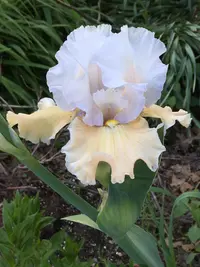
Iris 'Champagne Elegance' is a bearded iris cultivar grown mainly for its soft, creamy white and apricot-toned flowers. It forms upright clumps of sword-like leaves and produces tall, elegant flower stalks in late spring to early summer.

This plant was bred in cultivation and does not occur naturally in the wild, but it belongs to a group originally derived from European and Mediterranean species. It is considered reasonably easy to grow for gardeners who understand how to care for Iris, especially in temperate climates.

It prefers a sunny position, free-draining soil, and moderate moisture, and it resents waterlogged or heavily shaded sites.

Main Plant Requirements

Care Difficulty

Moderate Care

Light Preference

Full Sun

Water Requirements

Moderate Water

Temperature Preference

Cold Hardy

Hardiness Zone

3–9

Soil Texture

Sandy, Loamy, Rocky

Soil pH

Slightly acidic (6.5–7.0), Neutral (7.0)

Soil Drainage

Well-drained

Fertilization

Minimal (feed rarely)

Get Personalized Care Plan

Scan your plant to receive care tips personalized for your specific plant

Available on iOS and Android

How to Care for the Iris

This bearded iris cultivar flowers best in bright, direct sun for most of the day.

  • Provide 6–8 hours of direct sun daily, with morning sun and light afternoon shade ideal in hotter regions to reduce flower scorch.
  • Plant rhizomes where surrounding plants or structures will not cast dense shade; 2–4 hours of light afternoon shade is acceptable but deep shade lowers bloom count.
  • In cooler climates it tolerates full sun all day, but in very hot summers monitor for bleached foliage, crispy leaf tips, or faded blooms as signs of excessive sun exposure.

Watering focuses on keeping rhizomes moist but never waterlogged, especially during active growth.

  • In well-drained soil, water when the top 3–5 cm feels dry; established clumps often need deep watering only every 7–14 days during dry spring and early summer.
  • Reduce watering after flowering and in cool seasons; allow the soil surface to dry more between waterings to prevent rhizome rot, especially in heavy or clay soils.
  • Watch leaves for guidance: yellowing, soft foliage or a mushy rhizome suggests overwatering, while shriveled leaves and stalled buds indicate the plant needs a thorough soak.

This hardy perennial tolerates a wide temperature range but performs best in moderate conditions.

  • Active growth and flowering are strongest at 60–75°F (16–24°C), with cool nights supporting sturdy stems and good bud development.
  • Established clumps of Iris 'Champagne Elegance' survive winter lows near 0°F (-18°C) when planted outdoors in the ground with good drainage.
  • Short periods above 90°F (32°C) are tolerated if soil is not soggy; in extended heat, provide mulch to stabilize root-zone temperatures and reduce stress.

This bearded iris tolerates a wide humidity range and rarely needs special adjustment outdoors.

Iris 'Champagne Elegance' prefers sharply drained, moderately fertile soil to prevent rhizome rot and weak growth.

  • Use a loose loamy or sandy-loam soil with around 20–30% compost mixed through the top 20–25 cm.
  • Ensure very fast drainage by blending coarse sand or fine gravel into heavy or clay-based beds.
  • Aim for slightly acidic to neutral pH, roughly 6.5–7.5, to support nutrient uptake and flowering.
  • Avoid compacted, waterlogged, or peat-heavy mixes that hold constant moisture around the rhizomes.

This cultivar can grow in containers if drainage and pot stability are carefully managed.

  • Choose a wide, shallow pot so rhizomes can sit near the surface while roots spread laterally.
  • Fill the container with a gritty mix, such as garden loam with coarse sand and fine gravel, to keep water moving away from rhizomes.
  • Use a heavier clay or ceramic pot in windy spots to reduce tipping once tall flower stalks develop.

This bearded Iris benefits from moderate, targeted feeding to support strong rhizomes and repeat flowering.

  • Apply a balanced granular fertilizer (around 10-10-10) or well-rotted compost in early spring as new growth starts.
  • Feed again just after flowering, keeping fertilizer off the rhizomes to reduce rot risk.
  • Use about half the label strength for container plants or poor soils, and water in thoroughly.
  • Stop feeding in late summer so plants can harden off before dormancy.

Pruning Iris 'Champagne Elegance' focuses on cleaning spent growth to maintain vigor and flowering.

  • Deadhead individual spent blooms with clean scissors, cutting flower stalks at the base once all buds finish.
  • Remove yellowing or diseased leaves promptly to limit fungal problems and improve air movement.
  • In late fall, trim foliage to 10–15 cm where disease is present, disposing of all debris.
  • Avoid cutting green, healthy leaves in summer, as they feed the rhizomes for next year’s flowers.

This cultivar is most often grown in garden beds, so focus on dividing and transplanting clumps rather than frequent repotting.

  • Plan division every 3–4 years when flowering declines or rhizomes crowd and lift above soil.
  • Transplant in late summer to early fall, after flowering, so roots can establish before winter.
  • Lift clumps gently with a fork, trim foliage to 10–15 cm, and discard soft or rotted rhizomes.
  • Replant firm rhizomes shallowly with tops just at or slightly above soil level to limit rot stress.

Division is the standard method for increasing Iris 'Champagne Elegance' while keeping cultivar traits true.

  • Divide established clumps in late summer, about 4–6 weeks after flowering ends.
  • Lift the clump, wash soil off, and separate firm rhizomes, each with at least 1 fan of leaves.
  • Trim leaves to 10–15 cm to reduce water loss and dust cuts lightly with sulfur if rot is a concern.
  • Replant divisions in sunny, well-drained soil, spacing 30–45 cm apart and watering once to settle soil.

This tall bearded Iris is generally cold hardy in much of the US and needs only light winter care.

  • After hard frost, remove diseased or heavily spotted foliage, disposing of it away from the bed.
  • In colder zones, apply a light mulch (5–7 cm) of straw or leaves over the rhizome area after soil freezes.
  • For containers, move pots to a sheltered, unheated area to reduce freeze–thaw cycling around roots.

Care Tips

Rhizome Positioning

When planting or dividing clumps, set rhizomes so their tops sit just at or slightly above soil level to reduce rot risk and encourage strong flowering the next season.

Post-Flower Stalk Removal

As soon as blooms fade, cut flowering stalks down at the base without removing healthy leaves so the plant can redirect energy into rhizome growth and bud formation for next year.

Targeted Division Timing

Divide crowded clumps every 3–4 years in late summer, keeping only firm, pencil-thick rhizomes with at least 1–2 healthy fans, and replant them immediately to maintain vigor and flower size.

Airflow Management

Space plants so leaf fans do not touch and clear debris from around rhizomes to improve airflow, which helps limit soft rot and fungal leaf spot problems when growing Iris.

Preventive Borer Checks

In spring and early summer, inspect rhizomes for soft spots or frass (sawdust-like waste), then cut out and discard affected tissue and seal clean cuts with dry garden sulfur to help prevent iris borer damage spreading.

Everything About Iris

Common Pests and Diseases

Iris borer

This pest tunnels inside iris leaves and rhizomes, causing streaked, collapsing foliage and rotting rhizomes with sawdust-like frass. Severe attacks can destroy clumps and reduce flowering the following year.

Solution

Cut and dispose of all iris foliage at ground level in fall to remove overwintering eggs, and destroy any infested rhizomes rather than composting them. In spring, inspect emerging fans for chewed or streaked leaves, crush visible larvae, and consider applying a labeled systemic insecticide at the early leaf stage if borers are a recurring problem in the area.

Bacterial soft rot

This disease causes foul-smelling, mushy rhizomes that turn brown and collapse, often starting at wounds or borer damage sites. Symptoms include yellowing, wilting fans and a characteristic rotten odor at the base of the plant.

Solution

Dig up affected rhizomes, cut away all soft, discolored tissue, and discard severely rotted pieces in the trash. Replant only firm, healthy sections in well-drained soil, avoid planting too deeply, improve air circulation, and disinfect cutting tools with a 10% bleach solution between plants to limit spread when caring for Iris.

Iris leaf spot

This disease produces small water-soaked spots on leaves that enlarge into brown lesions with darker borders, often causing premature leaf death and reduced bloom quality. Symptoms include heavily speckled foliage, especially in wet, crowded plantings.

Solution

Remove and discard infected leaves during the season and cut back all foliage after the first hard frost to reduce overwintering spores. Thin crowded clumps for better airflow, avoid overhead watering, and use a labeled fungicide at the first sign of spotting if the problem recurs annually.

Aphids

These insects cluster on buds and young leaves, sucking sap and causing distorted growth, sticky honeydew, and sometimes sooty mold. Heavy infestations can weaken plants and reduce flower quality.

Solution

Spray infested areas with a strong stream of water to dislodge aphids, and repeat as needed during active growth. For persistent problems, use insecticidal soap or horticultural oil, applied thoroughly to leaf undersides and buds, and encourage beneficial insects such as lady beetles by avoiding broad-spectrum insecticides nearby.

Thrips

These insects feed by rasping iris leaves and flower buds, leading to silvery streaks, stippling, and deformed or discolored blooms. Symptoms include dull, flecked petals and fine black specks of excrement on foliage or flowers.

Solution

Remove and dispose of heavily damaged flower stalks and spent blooms to reduce hiding places and population buildup. Use blue or yellow sticky traps to monitor activity and apply insecticidal soap or horticultural oil to foliage and buds in the early morning, repeating according to label directions when populations remain high.

Interesting Facts

Reblooming bearded cultivar

This tall bearded iris is remontant, meaning it often flowers twice in a single growing season, with a main flush in late spring and a secondary flush in late summer or early fall in suitable climates.

Distinctive color genetics

Its flowers combine warm apricot-pink standards with creamy white falls and soft tangerine beards, a color combination achieved through selective hybridization from complex tall bearded iris breeding lines.

Award-winning performance

Introduced by Schreiner’s Gardens in 1987, this cultivar received the prestigious Dykes Medal in 1992, reflecting strong evaluation for garden performance, form, and overall ornamental value.

Botan icon

Did you know?

The official registration description for this cultivar specifies not only its color pattern but also details like slight ruffling on the petals and a sweet fragrance, which are used by iris societies to distinguish it reliably from visually similar tall bearded irises.

FAQs about Iris

Lack of blooms often comes from too much shade, overcrowded rhizomes, or planting the rhizomes too deep. Poor nutrition, especially low phosphorus, and recent heavy division or transplanting can also delay flowering for a season.

Grow Healthy Plants with Botan Care

Keep your plants happy and healthy with plant identification, disease detection, and easy care guidance.

Botan plant care app — identify plants on mobile

Explore More Plants