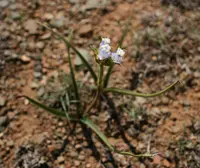
Forest Bushlily Care (Clivia gardenii)

Also known as: Forest Clivia
Forest Bushlily

About Forest Bushlily

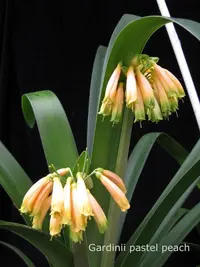
Forest bushlily (Clivia gardenii) is a shade-loving, evergreen perennial from forested areas of South Africa. It forms dense clumps of arching, strap-like dark green leaves. In season, it sends up stems topped with clusters of tubular, pendulous flowers, often orange to red with yellow tones, followed by decorative berries. The plant grows slowly and stays compact, which suits containers and indoor spaces. It tolerates relatively low light and brief neglect, so many growers find it reliable once established. Those learning how to care for Forest Bushlily mainly need to focus on avoiding overwatering and providing a free-draining potting mix.

Main Plant Requirements

Care Difficulty

Moderate Care

Light Preference

Bright Indirect Light

Water Requirements

Moderate Water

Temperature Preference

Tropical / Frost Sensitive

Hardiness Zone

10–11

Soil Texture

Loamy, Peaty, Organic-rich

Soil pH

Acidic (5.5–6.5), Slightly acidic (6.5–7.0)

Soil Drainage

Moist but well-drained

Fertilization

Light (every 4–6 weeks)

Get Personalized Care Plan

Scan your plant to receive care tips personalized for your specific plant

Available on iOS and Android

How to Care for the Forest Bushlily

Clivia gardenii prefers bright, indirect light that mimics dappled forest shade.

  • Provide 4–6 hours of bright, filtered light each day, such as light behind a sheer curtain or under high, open shade outdoors.
  • Tolerates partial to full shade but flowering of Forest Bushlily decreases if grown in very dim spots far from a window or dense tree canopy.
  • Avoid hot midday and strong afternoon sun, which scorch leaves; brief early-morning or late-afternoon sun is acceptable in cooler seasons.

Watering for this species focuses on slightly moist, never soggy, conditions.

  • Allow the top 2–4 cm of soil to dry before watering, then water thoroughly so excess drains away from the root zone.
  • In active growth and flowering, moisture demand increases; in late fall and winter rest, extend intervals between waterings as the soil dries more slowly.
  • Signs of overwatering include yellowing, soft leaf bases, and sour-smelling soil, while underwatering causes limp, folded leaves and dry, pulling-away soil.

This plant prefers mild, stable temperatures with a cool, dry rest period to support flowering.

  • Ideal growing temperatures are 65–75°F (18–24°C) during the day and slightly cooler at night for steady foliage and root development.
  • Tolerates brief dips to 40°F (4°C) but growth slows; avoid exposing it to frost or freezing conditions, which can permanently damage leaves and roots.
  • In summer, plants handle up to 85°F (29°C) if shaded and well ventilated; above this, provide extra shade and airflow to prevent heat stress.

This species handles typical home humidity but benefits from moderately moist air.

  • Aim for 40–60% humidity, which suits Forest Bushlily without encouraging rot.
  • Leaves curling inward or browning at the tips can signal air that is too dry.
  • Use a pebble tray or group plants together rather than misting, which has only brief effects.

This plant prefers an airy, free-draining mix that stays slightly moist but never waterlogged.

  • Use a loose mix such as 2 parts peat- or coir-based potting mix, 1 part fine bark, and 1 part perlite or coarse sand.
  • Ensure sharp drainage so water runs through quickly, protecting the fleshy roots from rot.
  • A slightly acidic to neutral pH around 6.0–7.0 supports nutrient availability for Clivia gardenii.
  • Avoid heavy garden soil, compacted mixes, or pots without drainage holes, which reduce aeration and trap excess moisture.

This species is well suited to container growing due to its compact, clumping root system.

  • Choose a heavy, stable pot so the tall foliage does not tip the container when the soil is dry.
  • Select a pot that is only slightly wider than the root mass to keep moisture levels more even around the roots.
  • Use a container material that does not dry too fast, such as glazed ceramic or plastic, to maintain the evenly moist conditions it prefers.

Clivia gardenii benefits from modest, consistent feeding during active growth for reliable flowering.

  • Use a balanced liquid fertilizer (for example 10-10-10) at 1/4–1/2 strength every 4–6 weeks in spring and summer.
  • Apply to moist soil, never to dry roots, to reduce burn risk and keep uptake steady.
  • Pause feeding during autumn rest and winter, when growth slows, then resume lightly as new leaves emerge.
  • A thin top-dressing of compost once a year can support long-term soil health when caring for Forest Bushlily.

Clivia gardenii needs only light, targeted pruning to stay tidy and support flowering.

  • Best time is after flowering finishes in late winter or spring, when flower stalks start to fade.
  • Cut spent flower stalks at the base with clean, sharp scissors or pruners to direct energy back to the roots.
  • Gently remove yellow, dead, or damaged leaves at the base, avoiding cuts into firm green tissues.
  • Limit pruning to unsightly or congested foliage, as heavy removal can reduce flowering in the next season.

This species prefers to be slightly root-bound, so repotting is infrequent and should be done carefully.

  • Repot every 3–5 years or when roots circle the pot, push upward, or growth and flowering decline.
  • Choose late spring after flowering, using a snug pot only 2–3 cm wider with a free-draining, organic-rich mix.
  • Gently loosen circling roots, remove dead roots, and keep the root ball as intact as possible to limit shock.
  • Water lightly after repotting, keep in bright, indirect light, and avoid heavy feeding until new growth is steady.

Clivia gardenii is most commonly propagated by division, with seed used when patience and genetic variation are desired.

  • Divide offsets in late spring when repotting, selecting pups with several leaves and a good root system.
  • Use a clean knife to separate the offset, keeping as many roots attached as possible to speed establishment.
  • Plant divisions in a small, well-drained potting mix, then keep slightly moist and in bright, indirect light.
  • For seeds, sow fresh in a warm location (68–75°F) and expect slow germination and several years to flowering.

This frost-sensitive plant needs cool, frost-free winter conditions, especially in container culture.

  • Keep indoor temperatures around 45–55°F in winter to encourage a rest period that supports flowering.
  • Move outdoor containers indoors before temperatures drop near freezing, choosing a bright, cool room.
  • Water sparingly in winter, allowing the top mix to dry more, while avoiding complete drought of the roots.

Care Tips

Post-bloom resting

After flowering finishes, remove spent flower stalks at the base and keep the plant in slightly cooler, bright conditions with lean feeding for 6–8 weeks to encourage strong bud formation for the next season.

Tight-pot management

Keep the plant slightly rootbound and only repot every 3–5 years, shifting to a pot just 2–3 cm wider to maintain regular flowering and avoid excess leaf growth at the expense of blooms.

Summer outdoor move

In mild climates, place the plant outdoors in full shade or very dappled light during late spring to early fall to benefit from stronger ambient light and air movement, bringing it back indoors before night temperatures drop below 50°F.

Controlled offset division

Divide offsets only when they have at least 4–5 leaves and a well-developed root system, and time the division for just after flowering to reduce stress and speed recovery.

Bloom timing control

To better time flowers, give the plant a cool, drier rest for about 6–8 weeks in late fall, then gradually increase watering and warmth, which often synchronizes bloom spikes and simplifies caring for Forest Bushlily during the display period.

Common Pests and Diseases

Mealybugs

This pest feeds on sap and often hides in leaf bases and between the strap-like leaves, leaving white cottony clusters and sticky honeydew. Symptoms include stunted growth, yellowing, and sooty mold developing on the honeydew.

Solution

Remove visible insects with a cotton swab dipped in 70% isopropyl alcohol and gently separate crowded leaf bases to reach hidden colonies; repeat weekly until gone. For heavier infestations, wash foliage with a mild insecticidal soap solution, improve air circulation around the plant, and isolate affected plants from others during treatment.

Scale insects

These insects attach firmly to leaves and flower stalks as small brown or tan bumps and suck sap, which weakens the plant and can cause yellow patches and poor flowering. Honeydew and sooty mold may appear in advanced cases.

Solution

Scrape or wipe off individual scales with a soft cloth or fingernail, then treat foliage and leaf axils with horticultural oil, ensuring good coverage under leaves and around the stem base. Repeat applications at 7–14 day intervals and keep the plant slightly isolated until new growth appears clean.

Aphids

These insects often cluster on soft flower stalks and young leaves, causing distortion, sticky residue, and reduced flower quality. This pest multiplies quickly in warm indoor or greenhouse conditions.

Solution

Rinse colonies off with a firm stream of lukewarm water, focusing on flower stems and leaf bases, then use insecticidal soap on any remaining insects. Remove heavily infested flower stalks if needed and reduce excess nitrogen fertilization, which encourages tender, aphid-prone growth.

Red spider mites

This pest thrives in warm, dry air and may cause fine speckling on leaves, dulling of the normally glossy foliage, and, in heavy cases, fine webbing. Symptoms include slowed growth and general loss of vigor, especially in heated indoor environments.

Solution

Increase humidity with regular leaf misting or a nearby humidity tray, then wash both leaf surfaces with water and insecticidal soap to remove mites and eggs. For ongoing problems, repeat washing every 5–7 days, keep the plant away from hot, dry air sources, and inspect new plants before bringing them near established clivias.

Leaf spot

This disease causes tan, brown, or dark lesions on the strap-like leaves, sometimes with yellow halos, and can spread in humid, crowded conditions. Symptoms include cosmetic damage and gradual weakening if many leaves are affected.

Solution

Remove and discard badly spotted leaves, keeping cuts clean and dry, and avoid overhead watering that keeps foliage wet for long periods. Improve spacing and airflow, water at the soil level in the morning, and if spots continue to spread, use a labeled broad-spectrum fungicide suitable for ornamental bulbs, following instructions carefully as part of broader Clivia gardenii care instructions.

Interesting Facts

Pendulous tubular blooms

This species produces long, narrow, tubular flowers that hang in clusters, an adaptation that suits pollination by sunbirds in its native South African forests.

Winter flowering cycle

Unlike many ornamentals, it typically flowers in late winter to early spring in the Southern Hemisphere, taking advantage of increased light in the forest understory before tree canopies fully leaf out.

Narrow, arching foliage

Compared to the broader leaves of Clivia miniata, this species has narrower, more arching leaves, reflecting its evolution in shadier, cooler, and often more seasonally moist habitats.

Botan icon

Did you know?

Clivia gardenii is naturally distributed in a relatively narrow band along the eastern parts of South Africa, often occurring on steep, shaded forest slopes and along river gorges, where its fleshy roots help anchor the plant in shallow, humus-rich soil.

FAQs about Forest Bushlily

Lack of flowers often comes from insufficient light, excess nitrogen fertilizer, or skipping a cool, slightly drier rest in winter. Crowded roots and very young plants also bloom poorly, so patience and stable care are important.

Grow Healthy Plants with Botan Care

Keep your plants happy and healthy with plant identification, disease detection, and easy care guidance.

Botan plant care app — identify plants on mobile

Explore More Plants