Corn Plant Care (Dracaena fragrans 'Lemon Lime')

Also known as: Dracaena
Corn Plant

About Corn Plant

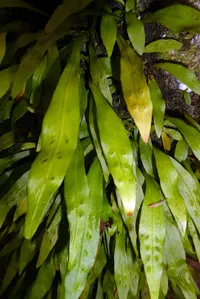
Dracaena fragrans 'Lemon Lime' is a tropical evergreen shrub often grown indoors as a compact, upright foliage plant. It forms a cane-like stem topped with rosettes of arching leaves.

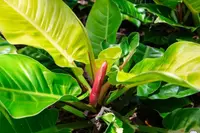
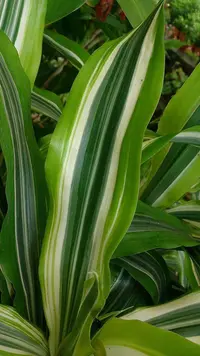
The leaves are striped in bright lime, yellow, and green, giving a strong visual contrast even in simple interiors. In its native African habitats, it grows in warm, partially shaded forests.

This cultivar is valued for its tolerance of indoor conditions, relatively slow growth, and adaptability to typical household humidity. It suits owners who want to learn how to care for Corn Plant without dealing with fast or demanding species.

It generally prefers bright, indirect light, moderate and even moisture, and a well-drained potting mix that does not stay waterlogged.

Main Plant Requirements

Care Difficulty

Easy Care

Light Preference

Bright Indirect Light

Water Requirements

Moderate Water

Temperature Preference

Tropical / Frost Sensitive

Hardiness Zone

10–12

Soil Texture

Loamy, Sandy, Organic-rich

Soil pH

Acidic (5.5–6.5), Slightly acidic (6.5–7.0)

Soil Drainage

Moist but well-drained

Fertilization

Light (every 4–6 weeks)

Get Personalized Care Plan

Scan your plant to receive care tips personalized for your specific plant

Available on iOS and Android

How to Care for the Corn Plant

Dracaena fragrans 'Lemon Lime' prefers bright, indirect light that mimics filtered forest conditions.

  • Provide 6–8 hours of bright, filtered light each day, such as near an east or north-facing window or under sheer curtains indoors.
  • Tolerates partial shade, but growth slows and variegation fades if light is very low; move Corn Plant closer to a bright source if new leaves emerge mostly green.
  • Avoid strong midday or afternoon sun, especially through glass, which can scorch leaf margins; in winter, shift slightly closer to windows to compensate for weaker light.

Dracaena fragrans 'Lemon Lime' needs moderate, well-timed watering in free-draining soil.

  • Let the top 3–5 cm of soil dry before watering; check with a finger rather than following a strict schedule to match your home’s conditions.
  • Use a potting mix with good drainage and empty saucers after 10–15 minutes; yellowing, mushy lower leaves and a sour smell signal overwatering and possible root rot.
  • In spring–summer, soil may dry faster and need more frequent checks; in fall–winter, extend the drying period, watching for drooping or curling leaves as signs of thirst.

This plant prefers warm, stable temperatures with no sudden drafts or extremes.

  • Aim for 65–80°F (18–27°C) for steady growth; short exposures down to about 55°F (13°C) are usually tolerated but may slow growth.
  • Protect from cold drafts, open windows in winter, and air conditioners; leaf tip browning and soft patches can follow exposure below 55°F (13°C).
  • Tolerates brief heat up to 85–90°F (29–32°C) if humidity and watering are appropriate; avoid hot, stagnant spots near heaters or in direct summer sun, which increase stress.

This plant prefers moderate, stable indoor humidity and copes with typical home air if not kept too dry.

  • Aim for 40–60% humidity; very dry heated rooms can stress Corn Plant foliage over time.
  • Watch for brown leaf tips or edges and stalled growth as common signs of low humidity stress.
  • Increase humidity by grouping plants, placing the pot on a pebble tray with water, or using a small room humidifier.

This plant grows best in a loose, airy potting medium that drains quickly but holds some moisture.

  • Use a peat- or coco-based mix with added perlite or pumice for structure, creating a light, loamy texture.
  • Ensure rapid drainage; water should run through within seconds and not pool on the surface or in the saucer.
  • Aim for slightly acidic to neutral pH, roughly 6.0–7.0, which supports nutrient availability for Dracaena fragrans 'Lemon Lime'.
  • Improve aeration by blending in 10–20% fine bark chips and avoiding heavy garden soil or pure compost, which compact easily.

This species is well suited to container growing for both homes and sheltered patios.

  • Choose a pot heavy or wide enough at the base to prevent tipping as the tall cane and foliage become top-heavy.
  • Select a container material with moderate moisture retention, such as thick plastic or ceramic, to keep the root zone evenly moist between waterings.
  • Use a pot that provides deep root space rather than only width, supporting the vertical cane growth and stable anchoring.

This plant benefits from light, consistent feeding during the active growing season.

  • Use a balanced liquid fertilizer (such as 10-10-10 or 20-20-20) diluted to 1/4–1/2 strength for Corn Plant indoor care.
  • Feed every 4–6 weeks in spring and summer when growth is active.
  • Skip or reduce feeding to 1 light application in fall and avoid fertilizing in winter dormancy.
  • Flush the pot with plain water every few months to prevent salt buildup from fertilizers.

Pruning supports a compact, tidy form and encourages fresh foliage on Dracaena fragrans 'Lemon Lime'.

  • Plan main pruning in late winter or early spring before strong new growth starts.
  • Remove dead, yellowing, or damaged leaves at the base with clean, sharp scissors or pruners.
  • Shorten tall, bare canes to the desired height to stimulate branching below the cut.
  • Thin crowded stems over time rather than all at once to reduce stress on the plant.

Repotting helps maintain root health and stable growth for this container plant.

  • Check for roots circling the pot, emerging from drainage holes, or unexplained slow growth as signals to repot.
  • Plan repotting every 2–3 years in spring, stepping up only 2–5 cm in pot diameter.
  • Gently loosen circling roots, trim dead sections, and replant in a fresh, well-drained houseplant mix.
  • Water thoroughly after repotting, then keep soil slightly moist and out of strong sun for 1–2 weeks to limit stress.

Propagation of this plant is commonly done from stem cuttings rather than seed.

  • Take 8–15 cm stem tip or mid-stem cuttings in late spring or summer using sterile, sharp pruners.
  • Remove lower leaves and place cuttings in water or a loose, well-drained mix such as perlite and peat.
  • Maintain bright, indirect light, 70–80°F temperatures, and high humidity for reliable rooting.
  • Allow new roots to reach several cm long, then pot individually and resume normal care gradually.

This tropical plant is frost sensitive and needs indoor protection in cold climates.

  • Keep plants above 55°F; ideal winter range is 60–70°F with stable indoor conditions.
  • Move outdoor containers indoors before night temperatures drop below 55°F.
  • Place away from cold drafts, heaters, and heat vents to reduce leaf tip burn.
  • Water less in winter, allowing the top soil layer to dry, while maintaining moderate indoor humidity.

Care Tips

Quarterly leaf wash

Every 3–4 months, wipe each leaf on both sides with a damp microfiber cloth and a drop of mild dish soap, then rinse with plain water to remove dust and mites and keep variegation photosynthesizing efficiently.

Gradual height control

When the plant becomes too tall, make a heading cut on the cane in spring, then root the removed top in water or moist perlite to create a second plant while encouraging multiple new shoots from the original stem.

Rotate for straight canes

Turn the pot 90° every 2–3 weeks so light hits all sides evenly, which keeps the cane growing upright instead of leaning and reduces the risk of top-heavy tipping.

Support top-heavy stems

If the cane begins to wobble or lean, insert a slim bamboo stake close to the stem and tie it loosely with soft plant ties in 2–3 places to stabilize the plant while roots and stem thicken.

Prevent fluoride damage

To reduce leaf tip burn, especially in areas with fluoridated tap water, use filtered, rain, or distilled water for how to take care of Corn Plant and occasionally flush the pot thoroughly to wash out accumulated salts.

Common Pests and Diseases

Spider mites

This pest feeds on leaf sap, causing fine stippling, dulling of the striped foliage, and delicate webbing, especially in dry indoor air. Symptoms include yellowing along the leaf midrib and edges, and a generally dusty, tired look to the leaves.

Solution

Rinse foliage thoroughly with lukewarm water, including leaf undersides, then repeat every 3–5 days for 2–3 cycles. For persistent infestations, use an insecticidal soap or horticultural oil labeled for indoor use, and increase ambient humidity to 40–60% while keeping the plant out of direct hot drafts.

Mealybugs

These insects appear as white, cottony clusters in leaf axils, along stems, and sometimes on roots, where they weaken the plant by sucking sap. Symptoms include sticky honeydew, sooty mold on leaves, and distorted new growth.

Solution

Isolate the plant, then dab visible pests with cotton swabs dipped in 70% isopropyl alcohol and wipe affected areas. Follow with regular sprays of insecticidal soap or a light horticultural oil, repeating every 7–10 days until no new mealybugs appear, and inspect new plants before placing them nearby.

Soft scale

This pest forms small, rounded or oval bumps along stems and leaf midribs that do not move when touched, while feeding continuously on sap. Symptoms include sticky honeydew, black sooty mold, and gradual leaf yellowing or drop.

Solution

Gently scrape or wipe off scales with a soft cloth or cotton swab dipped in 70% isopropyl alcohol, focusing on stems and main veins. Follow up with 2–3 applications of insecticidal soap or horticultural oil at 7–10 day intervals and improve light and air movement to help the plant recover.

Leaf spot

This disease causes irregular yellow, brown, or tan spots, often with darker margins, typically starting on older leaves exposed to splashing water or chronic moisture. Symptoms include expanding lesions that may merge, leading to patchy or necrotic foliage on the striped leaves.

Solution

Remove and discard affected leaves, keep foliage dry, and avoid overhead watering, especially in low light. Improve air circulation around the plant, reduce crowding with other plants, and if needed use a copper-based or broad-spectrum fungicide labeled for indoor ornamentals, applied according to the product directions.

Fluoride toxicity

This disorder results from sensitivity to fluoride in tap water or some phosphate fertilizers, leading to brown leaf tips and margins that progress inward, particularly on older leaves. Symptoms include dry, crispy edges with a yellow band separating healthy and dead tissue.

Solution

Switch to distilled, reverse-osmosis, or rainwater and allow tap water to sit 24 hours before use if no alternative is available. Trim only the dry brown tips, avoiding cutting into green tissue, flush the potting mix thoroughly every few months to reduce salt and fluoride buildup, and use low-fluoride fertilizers according to label rates when focusing on Corn Plant indoor care.

Interesting Facts

Stabilized leaf variegation

The Lemon Lime form shows a stable pattern of lime-green centers with darker green margins because the mutation affects chlorophyll distribution in a consistent way, so most new leaves repeat the same striped design rather than reverting to solid green.

Lower light tolerance

Compared with many other variegated dracaenas, this cultivar maintains its coloration in moderate indoor light, as its lighter lime areas still contain enough chlorophyll to support photosynthesis without quickly losing the stripes.

Clumping rosette growth

Lemon Lime is usually grown as multiple rooted cuttings in one pot, which form several upright rosettes; this emphasizes the banded foliage pattern and creates a dense, tiered appearance different from the single-cane look of older corn plant types.

FAQs about Corn Plant

Brown leaf tips usually come from low humidity, fluoride or salts in tap water, or inconsistent moisture. Use filtered or distilled water, keep the potting mix evenly moist but not wet, and avoid cold or hot drafts.

Grow Healthy Plants with Botan Care

Keep your plants happy and healthy with plant identification, disease detection, and easy care guidance.

Botan plant care app — identify plants on mobile

Explore More Plants