Angel's Trumpet Care (Brugmansia arborea)

Angel's Trumpet

About Angel's Trumpet

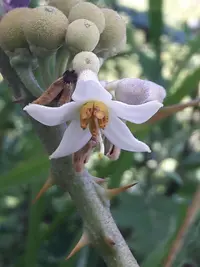
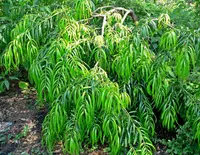
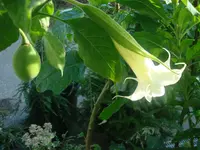
Angel's trumpet, Brugmansia arborea, is a woody shrub or small tree known for its large, pendulous, trumpet-shaped flowers and strong evening fragrance. It is typically grown as an ornamental feature plant in gardens or large containers.

In its natural range, it originates from upland regions of South America, where conditions are mild and relatively moist. The plant has a fast growth habit and can become large, which makes it best suited to outdoor spaces or very roomy, bright patios.

It prefers bright light, moderate moisture, and free-draining, fertile soil. Understanding how to care for Angel's Trumpet includes planning for its size, fragrance intensity, and toxicity considerations.

Main Plant Requirements

Care Difficulty

Moderate Care

Light Preference

Full Sun

Water Requirements

Regular Water

Temperature Preference

Tropical / Frost Sensitive

Hardiness Zone

9–11

Soil Texture

Loamy, Sandy, Organic-rich

Soil pH

Acidic (5.5–6.5), Slightly acidic (6.5–7.0)

Soil Drainage

Moist but well-drained

Fertilization

Heavy (weekly, diluted)

Get Personalized Care Plan

Scan your plant to receive care tips personalized for your specific plant

Available on iOS and Android

How to Care for the Angel's Trumpet

This shrub needs abundant light for heavy flowering but is sensitive to harsh extremes.

  • Provide 6–8 hours of sun daily, ideally with morning sun and light afternoon shade, especially in hotter regions.
  • Tolerates bright dappled or filtered light; dense shade leads to sparse blooms and weak, elongated growth on Angel's Trumpet.
  • In summer, protect from intense afternoon sun that can scorch leaves; in cooler seasons, choose the brightest, most open position to maintain flowering.

This plant has high moisture demand but reacts poorly to waterlogged conditions.

  • Water when the top 3–5 cm of soil feels dry, aiming for consistently moist but not saturated soil during active growth and flowering.
  • Use deep watering so moisture reaches the root zone, then allow excess to drain freely; soil should contain organic matter yet offer good drainage.
  • In hot, windy weather, watch for drooping leaves as a sign to water Brugmansia arborea, and reduce watering in cool seasons to prevent root rot.

This species prefers mild, frost-free conditions with stable warmth for best flowering.

  • Optimal growth occurs around 65–80°F (18–27°C), with slightly cooler nights improving bud and flower development.
  • Plants tolerate brief drops to about 40°F (4°C) but suffer damage near freezing; hard frost can kill stems or the whole plant.
  • In hot climates above 90°F (32°C), provide afternoon shade and reliable moisture, and protect from cold winds during cooler seasons to reduce stress.

This shrub prefers moderately moist air and reacts if humidity stays very low for long periods.

  • Aim for 50–70% humidity, which supports steady foliage and flower development in Angel's Trumpet.
  • Tolerates drier air down to about 30–40%, but leaf edges may brown and buds may drop under prolonged dryness.
  • Increase humidity outdoors with grouped plantings and mulched soil, or mist foliage lightly in the morning during hot, very dry spells.

This plant grows best in deep, loose, moisture-retentive but free-draining soil.

  • Use a loamy mix with high organic matter, such as 50–60% composted bark or compost blended with garden loam and coarse material.
  • Ensure rapid drainage by adding perlite or coarse sand so water runs through in seconds but soil still feels slightly moist afterward.
  • Target a slightly acidic to neutral pH around 6.0–7.0, which supports nutrient uptake and overall Brugmansia arborea vigor.
  • Avoid heavy, compacted clay, constantly waterlogged spots, or pure sand; amend with organic matter and coarse particles to improve aeration and structure.

This species is suitable for large containers when those containers are managed for stability and drainage.

  • Choose a wide, heavy pot to counter the tall, top-heavy canopy and reduce tipping in strong wind.
  • Select a container at least 40–50 cm deep so the substantial root system can anchor and support rapid top growth.
  • Use thick-walled terracotta or similar porous material if outdoor conditions are humid, to lower the risk of root rot by allowing side-wall evaporation.

Brugmansia arborea is a heavy feeder that responds strongly to consistent nutrition during the growing season.

  • Use a balanced liquid fertilizer (for example 15-15-15) at half strength every 1–2 weeks from spring to early fall.
  • Supplement with well-rotted compost or organic matter around the root zone 1–2 times per season.
  • For containers, apply a slow-release fertilizer in spring, following label rates to avoid salt buildup.
  • Reduce feeding to once a month at very dilute strength, or stop, during cool dormant periods in Angel's Trumpet.

Brugmansia arborea benefits from considered pruning to manage size, structure, and flower production.

  • Time main pruning for late winter or very early spring before vigorous new growth starts.
  • Remove dead, diseased, or storm-damaged wood first, then thin crowded interior branches for better light and airflow.
  • Shorten overly long shoots to maintain a stable framework and encourage branching near the flowering Y-shaped forks.
  • Use sharp, clean bypass pruners or loppers, making angled cuts just above outward-facing buds or junctions.

Container-grown Brugmansia arborea or young plants in nursery pots need periodic up-potting or careful transplanting to sustain growth.

  • Check for roots circling the pot, pushing through drainage holes, or water running straight through as signs it needs a larger container.
  • Plan repotting or transplanting for spring, every 1–2 years in pots or when in-ground plants outgrow their space.
  • Step up only 1–2 pot sizes, teasing apart circling roots gently and setting the plant at the same soil level as before.
  • Water thoroughly after moving, keep soil evenly moist, shade from intense sun for several days, and avoid heavy pruning at the same time to limit stress.

Brugmansia arborea is commonly propagated from cuttings to maintain desired flower and growth traits.

  • Take semi-ripe or softwood stem cuttings in late spring to summer, choosing non-flowering shoots 10–15 cm long.
  • Strip lower leaves, optionally dip the cut end in rooting hormone, and insert into a sterile, moist, free-draining mix.
  • Maintain bright, indirect light, high humidity, and soil temperatures around 70–75°F for consistent rooting.
  • Seeds can be sown in warm indoor conditions, but offspring may vary from the parent plant and take longer to flower.

Brugmansia arborea is frost-sensitive and needs specific winter management in regions with freezing temperatures.

  • In mild climates, apply a 5–10 cm mulch layer over the root zone to moderate temperature swings and conserve moisture.
  • Where hard frosts occur, grow in large containers and move indoors to a cool, bright, frost-free space before nights drop near 40°F.
  • Reduce watering in winter, keeping the root ball just barely moist to prevent root rot while the plant is semi-dormant.
  • If stems die back after light frost, leave them in place until late winter, then prune once the risk of hard freeze has passed.

Care Tips

Sturdy structural support

Install a strong stake or small trellis early and tie young stems with soft ties in a loose figure-eight, so the top-heavy canopy and large flowers do not cause branches to split in wind or after heavy rain.

Root-zone mulching

Apply a 5–7 cm layer of composted bark or leaf mold around the root zone, keeping it 5 cm away from the trunk, to stabilize soil moisture and protect shallow feeder roots from heat and drying.

Targeted pest scouting

Inspect the undersides of leaves and new shoots at least weekly for aphids, spider mites, and whiteflies, and rinse them off with a firm water jet or treat early with insecticidal soap before infestations build up.

Seasonal container rotation

If grown in a pot, rotate the container by 90° every 1–2 weeks during active growth so the canopy develops evenly and stems do not lean or twist excessively toward one direction.

Overwintering cutback plan

In cold regions, reduce height by about one-third and remove weak, crossing branches before bringing the plant under cover, which makes handling easier and simplifies caring for Angel's Trumpet in limited indoor space.

Common Pests and Diseases

Spider mites

This pest often appears in warm, dry conditions and feeds on leaf sap, causing pale stippling, bronzing, and fine webbing on Brugmansia foliage. Symptoms include weakened growth and leaves that may dry and drop prematurely.

Solution

Rinse leaves thoroughly with a strong but controlled stream of water, including the undersides, then raise humidity around the plant and reduce heat stress. For persistent infestations, use insecticidal soap or a neem oil spray every 5–7 days until no new damage or webbing appears.

Whiteflies

These insects cluster on the undersides of leaves, flying up in a small cloud when disturbed and excreting sticky honeydew that can lead to sooty mold. Symptoms include yellowing leaves, reduced vigor, and black, sooty deposits on leaf surfaces.

Solution

Vacuum or shake adults off in the early morning, then treat leaf undersides with insecticidal soap or horticultural oil, repeating weekly until populations drop. Remove heavily infested leaves and use yellow sticky traps to monitor and reduce adult numbers, especially when growing Brugmansia arborea outdoors in warm climates.

Aphids

These insects feed in colonies on tender shoots, buds, and the undersides of leaves, distorting new growth and secreting honeydew that encourages sooty mold. Symptoms include curling leaves, misshapen flower buds, and slowed growth.

Solution

Wash colonies off with a firm spray of water, then spot-treat remaining clusters with insecticidal soap or neem oil, ensuring full coverage of new growth. Encourage natural predators outdoors by avoiding broad-spectrum insecticides and pruning out heavily infested shoot tips if needed.

Botrytis blight

This disease favors cool, moist conditions and causes brown, water-soaked spots on leaves, flowers, and buds that quickly turn soft and may develop gray fuzzy mold. Symptoms include collapsing flower buds and rotting petals that stick to leaves and stems.

Solution

Remove and discard all affected flowers, buds, and leaves, then improve airflow by thinning dense growth and avoiding overhead watering. Keep foliage as dry as possible, clean up fallen plant material promptly, and use a fungicide labeled for ornamental plants if the problem recurs in wet weather.

Powdery mildew

This disease shows up as white, powdery patches on leaves, stems, and sometimes flower buds, especially when nights are cool and air circulation is poor. Symptoms include distorted leaves, reduced flowering, and a general decline in plant vigor if untreated.

Solution

Increase spacing and airflow, avoid wetting foliage late in the day, and remove the most heavily affected leaves. Treat remaining foliage with a sulfur-based fungicide or potassium bicarbonate product according to label directions until new growth emerges clean.

Interesting Facts

High-mountain origin

This species is native to cool, moist Andean cloud forests of Ecuador and Peru, where it typically grows at higher elevations than most other Brugmansia species, influencing its preference for cooler night temperatures in cultivation.

Distinctive floral scent

Its white, tubular, pendulous flowers emit a strong, sweet fragrance that peaks at night, an adaptation to attract nocturnal pollinators such as moths in its native range.

Narrow natural distribution

Compared with several other angel’s trumpets, this species has a relatively restricted natural range and is considered rare in the wild, with habitat loss in Andean montane forests contributing to its decline.

Botan icon

Did you know?

All parts of this plant contain tropane alkaloids such as scopolamine and atropine, making it highly toxic; accidental ingestion can cause severe poisoning, so it is treated as a hazardous ornamental in many regions.

FAQs about Angel's Trumpet

Lack of blooms usually comes from insufficient light, low nutrients, or pruning at the wrong time. Heavy nitrogen fertilizer favors leaves over flowers. Mild root restriction and steady feeding often improve flowering when growing Angel's Trumpet in containers.

Grow Healthy Plants with Botan Care

Keep your plants happy and healthy with plant identification, disease detection, and easy care guidance.

Botan plant care app — identify plants on mobile

Explore More Plants