Field-rose Care (Rosa arvensis)

Field-rose

About Field-rose

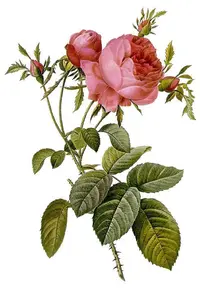
Field-rose, Rosa arvensis, is a scrambling wild rose native to hedgerows, woodland edges, and pastures across much of Europe and parts of western Asia. It is usually grown outdoors, forming long, arching stems that weave through shrubs or low trees.

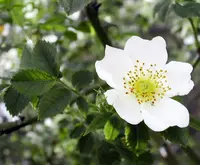
The plant bears simple white flowers with a light fragrance, followed by small red hips that support wildlife. Its vigorous, thorny growth makes it better suited to naturalistic plantings than tight formal beds.

Rosa arvensis prefers sun to light shade, moderately moist but well-drained soil, and benefits from some space to spread. These traits make it relatively undemanding for gardeners who learn how to care for Field-rose in the right setting.

Main Plant Requirements

Care Difficulty

Moderate Care

Light Preference

Full Sun

Water Requirements

Moderate Water

Temperature Preference

Cold Hardy

Hardiness Zone

5–8

Soil Texture

Sandy, Loamy, Clay

Soil pH

Acidic (5.5–6.5), Slightly acidic (6.5–7.0)

Soil Drainage

Moist but well-drained

Fertilization

Minimal (feed rarely)

Get Personalized Care Plan

Scan your plant to receive care tips personalized for your specific plant

Available on iOS and Android

How to Care for the Field-rose

This species prefers open, bright positions similar to sunny woodland edges.

  • Provide 6–8 hours of direct sun, ideally with morning sun and light afternoon shade to protect Field-rose blooms from scorch.
  • Tolerates light or dappled shade for part of the day, but flowering density drops if direct sun falls below about 4 hours.
  • In hot summers, shelter from harsh west-facing exposure; in winter, avoid deep shade from buildings or evergreens that reduce spring bud development.

This wild rose prefers evenly moist, free-draining soil rather than constantly wet conditions.

  • Allow the top 3–5 cm of soil to dry before deep watering, aiming to moisten the root zone to 20–30 cm depth.
  • During hot, dry periods, monitor leaves for dullness or slight curl, then water thoroughly; reduce frequency in cool or rainy seasons.
  • Ensure soil drains well; persistent wetness, yellowing leaves, and soft stems indicate overwatering, while crisp edges and premature leaf drop suggest drought stress.

This hardy shrub rose tolerates a wide temperature range typical of temperate climates.

  • Active growth and flowering occur best around 60–77°F (16–25°C), with strong performance in mild spring and early summer.
  • Established plants usually survive down to about 0°F (−18°C) in the ground, but young plants benefit from mulch to buffer freeze–thaw cycles.
  • Tolerates short heatwaves up to about 90°F (32°C) if soil moisture is maintained; prolonged extreme heat or drying winds can scorch foliage and reduce flowering.

Rosa arvensis handles typical outdoor humidity and does not need special humidity control.

Rosa arvensis prefers moderately fertile, moisture-retentive but well-drained loam.

  • Use a loamy soil with plenty of organic matter, such as garden soil mixed with compost or well-rotted manure.
  • Aim for slightly acidic to neutral pH around 6.0–7.0 to support nutrient uptake and healthy root growth.
  • Improve drainage and aeration in heavy clay by mixing in coarse sand or fine gravel plus organic matter.
  • Avoid compacted, waterlogged, or very shallow soils, which encourage root rot and weak growth.

This species can grow in containers if the pot is large and stable enough for its vigorous, shrubby growth.

  • Choose a deep, heavy container that resists tipping once canes lengthen and catch wind.
  • Select a pot material like thick terracotta or concrete to buffer root temperature and moderate moisture swings.
  • Elevate the container slightly on pot feet or bricks to keep drainage holes clear and prevent water pooling under the base.

Rosa arvensis is a vigorous wild rose that needs only modest feeding on most garden soils.

  • Apply a light layer of well-rotted compost or manure around the root zone once in spring for gentle nutrition.
  • On poor soils, use a balanced slow-release fertilizer (around 10-10-10) at half the label rate in early spring.
  • Avoid additional feeding after midsummer so growth can harden before winter dormancy.
  • Water thoroughly after any fertilizer application to prevent root burn and support nutrient uptake when caring for Field-rose.

Rosa arvensis benefits from periodic pruning to maintain shape and flowering performance.

  • Carry out main pruning in late winter to early spring before buds break, using clean, sharp bypass pruners.
  • Remove dead, diseased, or damaged stems completely to the base or to healthy wood.
  • Thin crowded or crossing branches to improve air flow and reduce fungal disease risk.
  • Lightly shorten overly long shoots after flowering to control spread while preserving the natural, arching habit.

This wild rose is usually grown in the ground, so focus on careful outdoor transplanting rather than frequent repotting.

  • Transplant young plants in late autumn or early spring when growth is dormant and soil is workable.
  • Move plants only when necessary, such as crowding, poor flowering, or clear root congestion in a rare container specimen.
  • Dig a wide planting hole, gently loosen circling roots, and set the crown at the same soil level as before.
  • Water deeply after planting, then keep soil evenly moist for several weeks to reduce root stress and support establishment.

Rosa arvensis is commonly propagated from cuttings and by simple layering for consistent traits.

  • Take semi-ripe cuttings in late summer, 10–15 cm long, and remove lower leaves.
  • Insert cuttings into a free-draining mix, keep at 65–75°F, and maintain high humidity until rooted.
  • For layering, bend a flexible stem to the ground in spring, nick the underside, and pin it into moist soil.
  • Seeds can be sown after cold stratification, but seedlings may vary from the parent plant.

This species is generally cold hardy in temperate climates and usually needs only light winter care.

  • Apply a 5–8 cm mulch layer around the base in late autumn to insulate roots and stabilize soil moisture.
  • In very cold or exposed sites, mound extra mulch or soil around the crown to shield graft or basal shoots.
  • Container-grown plants are more vulnerable and should be moved to a sheltered, frost-free or minimally heated area.

Care Tips

Structured wall training

Fix new canes to horizontal or gently fan-shaped wires or trellis as they grow, which promotes more flowering side shoots and keeps the plant flat and well-ventilated against a wall or fence.

Sucker management routine

Check the base and root zone 2–3 times per season and cut off any vigorous shoots arising from below the graft or from unwanted root spread, slicing them cleanly at their point of origin to prevent the thicket from expanding into nearby beds.

Targeted disease monitoring

Inspect leaves weekly in spring and early summer for early signs of black spot or mildew, and remove and bin affected leaves immediately, then adjust spacing or prune lightly to restore airflow before resorting to fungicides.

Bloom-cycle deadheading

Instead of removing single spent flowers, cut back entire clusters to the first strong outward-facing bud to tidy the plant, reduce disease-harboring debris, and encourage a neater display even though major rebloom is limited.

Wildlife-friendly underplanting

Plant shallow-rooted groundcovers or low perennials beneath the shrub to shade the soil, reduce weed pressure, and provide habitat for beneficial insects that help when caring for Field-rose in a mixed border.

Common Pests and Diseases

Rose black spot

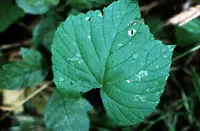
This disease causes dark purple‑black spots with fringed edges on leaves, which then yellow and drop prematurely, especially in damp, shaded hedgerows. Symptoms include progressive defoliation from the lower parts of the plant upward in mid to late season.

Solution

Remove and dispose of all spotted leaves on and under the plant, then prune to open the shrub for better airflow and faster leaf drying. Avoid overhead watering, keep foliage dry where possible, and use a targeted rose fungicide during wet periods if the problem is persistent, following label directions.

Powdery mildew

This disease forms a white, powdery coating on young leaves, shoots, and flower buds, which may curl or become distorted. Symptoms include reduced vigor in dense, dry yet poorly ventilated thickets, especially after warm days and cool nights.

Solution

Prune crowded stems to increase light and airflow, and remove badly affected shoots. Water at soil level, keep the plant evenly moist, and if needed apply a sulfur or potassium bicarbonate fungicide suited to roses at the first sign of infection.

Rose rust

This disease produces orange to rust‑colored pustules on the undersides of leaves and sometimes stems, followed by yellowing and early leaf drop. Symptoms include a patchy, speckled appearance along field margins where plants remain damp for long periods.

Solution

Cut off and destroy infected leaves and stems as soon as the pustules are noticed, and clear fallen leaves in autumn to reduce overwintering spores. Improve air circulation by thinning growth, avoid overhead irrigation, and use a rose‑labelled rust fungicide if conditions stay cool and moist.

Rose aphids

These insects cluster on soft shoot tips and flower buds, sucking sap and causing distortion, sticky honeydew, and sooty mold on leaves. This pest is often concentrated on new hedgerow growth in late spring and early summer, especially on nutrient‑rich soils.

Solution

Dislodge colonies by spraying with a strong stream of water, and pinch off heavily infested shoot tips. Encourage natural predators such as ladybird larvae, and if populations remain high, use a fatty acid or horticultural soap spray, coating the insects directly.

Rose leafhopper

This pest feeds on the undersides of leaves, creating fine pale speckling that can lead to a dry, bleached look and premature leaf drop. These insects are quick‑moving and often active on wild roses growing along sunny, dry field edges.

Solution

Inspect the undersides of leaves regularly and remove heavily affected foliage where practical. Support natural predators and, if needed, apply a horticultural oil or insecticidal soap to the lower leaf surfaces, repeating according to label guidance to interrupt the leafhopper life cycle while maintaining overall Rosa arvensis care.

Interesting Facts

Western European native

This wild rose is naturally distributed from the British Isles through western and central Europe to parts of Italy and the Balkans, where it typically grows in hedgerows, woodland margins, and scrubby banks.

Distinctive flower structure

The plant usually bears flat, white, mildly scented flowers with 5 petals and a dense cluster of yellow stamens, which are particularly attractive to a wide range of pollinating insects.

Trailing shrub habit

Unlike many other wild roses with strongly upright growth, this species often has a more trailing or scrambling habit, allowing it to weave through hedges and low trees and form thickets over time.

Botan icon

Did you know?

Rosa arvensis is one of the parent species used in breeding several old garden roses, contributing its white flower color and vigorous scrambling habit to some historical cultivars.

FAQs about Field-rose

This species can spread steadily by suckers and arching stems that root where they touch the ground. In gardens, control spread by removing unwanted shoots, installing root barriers, and pruning back wayward stems each year.

Grow Healthy Plants with Botan Care

Keep your plants happy and healthy with plant identification, disease detection, and easy care guidance.

Botan plant care app — identify plants on mobile

Explore More Plants