blood sage Care (Salvia coccinea)

Also known as: Red sage, Tropical sage, Red Salvia, Scarlet Salvia, South American Sage, Texas Salvia
blood sage

About blood sage

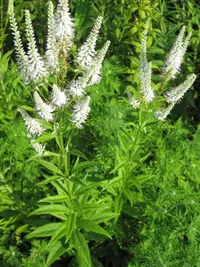
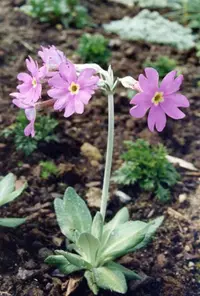
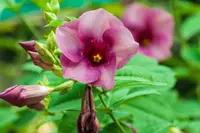
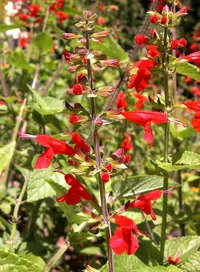
Blood sage, Salvia coccinea, is a warm-season flowering herb in the mint family grown mainly as an ornamental. It forms a soft, bushy clump with upright stems and loose spikes of tubular red, pink, or white flowers. Foliage is light to medium green, with a slightly rough, aromatic texture when touched.

This species is native to the southern United States, Mexico, and Central America, where it often grows in open, disturbed sites. It is valued for its long blooming season, pollinator appeal, and generally forgiving nature, which makes it relatively simple to care for blood sage. It prefers sun to light shade, moderately moist but well-drained soil, and does not require highly fertile conditions.

Main Plant Requirements

Care Difficulty

Easy Care

Light Preference

Full Sun

Water Requirements

Moderate Water

Temperature Preference

Tropical / Frost Sensitive

Hardiness Zone

9–11

Soil Texture

Sandy, Loamy, Organic-rich

Soil pH

Acidic (5.5–6.5), Slightly acidic (6.5–7.0)

Soil Drainage

Well-drained

Fertilization

Light (every 4–6 weeks)

Get Personalized Care Plan

Scan your plant to receive care tips personalized for your specific plant

Available on iOS and Android

How to Care for the blood sage

Salvia coccinea thrives in bright outdoor conditions with strong but not scorching sun.

  • Provide 6–8 hours of direct sun, ideally with morning sun and light afternoon shade in hot climates to protect leaves from scorching.
  • Accepts light or dappled shade for 2–4 hours daily, but flowering and compact growth decline if sites are shaded most of the day.
  • In summer, monitor plants in reflected heat sites; in shorter winter days, prioritize the sunniest, south- or west-facing positions for blood sage.

This species prefers evenly moist but not saturated soil and tolerates short dry spells once established.

  • Water when the top 3–5 cm of soil feels dry, applying enough to moisten the root zone, then let excess drain away to avoid root rot.
  • In hot, dry weather, expect more frequent watering; in cool or rainy periods, extend intervals and rely on soil feel rather than a fixed schedule.
  • Wilting, dull leaves, and dry soil indicate underwatering; yellowing lower leaves, soft stems, and a sour smell from heavy soil suggest excess moisture for Salvia coccinea.

This warm-season species grows best in mild to hot conditions without frost exposure.

  • Aim for 70–85°F (21–29°C) for vigorous growth and flowering, with acceptable performance from about 60–90°F (16–32°C).
  • Tissue damage often begins near 32°F (0°C); in regions with frosts, treat it as a tender annual or protect plants with covers on cold nights.
  • During heat waves above 95°F (35°C), expect some stress; provide afternoon shade and consistent soil moisture to reduce leaf scorch and flower drop.

This species tolerates a wide humidity range and rarely needs special adjustment indoors or outdoors.

  • Aim for 30–60% humidity; typical indoor air is usually adequate for blood sage.
  • Leaf edge browning with otherwise moist soil may indicate air is too dry or heat is excessive rather than a humidity deficiency.
  • If air is very dry and hot, group plants together or place containers near other foliage to slightly increase local humidity without wetting leaves.

Salvia coccinea prefers loose, well-drained soil that dries slightly between waterings.

  • Use a mix such as 50–60% peat- or coir-based potting substrate with 20–30% coarse sand and 10–20% perlite for structure and drainage.
  • Aim for slightly acidic to neutral pH, around 6.0–7.0, to support efficient nutrient uptake and healthy root development.
  • Improve aeration by avoiding compaction; lightly firm the soil but keep a crumbly texture so roots receive enough oxygen.
  • Avoid heavy clay, waterlogged spots, or mixes with large amounts of fine silt that stay wet for long periods and promote root rot.

This species is well suited to container growing for patios, balconies, and small gardens.

  • Choose a pot wide enough to allow branching, as dense top growth can become unstable in narrow, tall containers.
  • Select a slightly heavier container material, such as ceramic, to reduce tipping risk when the plant reaches full height and bloom.
  • Raise the pot on feet or bricks so drainage holes stay clear and excess water exits quickly after heavy rain or irrigation.

Salvia coccinea benefits from light, balanced feeding but grows acceptably in lean soils.

  • Use a balanced, water-soluble fertilizer (around 10-10-10 or 20-20-20) at 1/2 strength for caring for blood sage in containers.
  • Feed every 4–6 weeks during spring–early fall, when plants are actively growing and flowering.
  • On in-ground plants, a thin layer of compost in spring usually provides sufficient nutrients.
  • Stop feeding in late fall and winter to avoid forcing soft, cold-sensitive growth.

Salvia coccinea responds well to modest pruning that supports bushy growth and abundant flowering.

  • Use clean hand pruners or sharp scissors to remove dead, damaged, or diseased stems whenever noticed.
  • In spring, lightly thin crowded stems and trim lanky growth to maintain a compact, upright shape.
  • Deadhead spent flower spikes through the growing season to encourage new blooms and reduce self-seeding.
  • Cut plants back by about one-third after peak bloom if they become leggy, allowing fresh growth to develop.

This species is usually grown as a bedding or border plant, so transplanting is more common than repotting.

  • Move Salvia coccinea outdoors after frost, or transplant seedlings when they have several true leaves and roots hold the soil.
  • Transplant if growth stalls, roots circle the pot, or soil dries very quickly, generally every 1 growing season in containers.
  • Shift into a container 2–5 cm wider, using well-drained potting mix and firming gently around the root ball.
  • Water thoroughly after transplanting, then keep evenly moist and shaded from strong midday sun for 2–3 days to reduce stress.

Salvia coccinea is commonly propagated from both seeds and soft cuttings.

  • Sow seeds indoors in late winter–early spring, lightly covering them and keeping at 65–75°F with consistent moisture.
  • Provide bright, indirect light and good air movement; seedlings usually germinate within 7–21 days.
  • Take 7–10 cm softwood cuttings in late spring or summer, removing lower leaves and any flowers.
  • Insert cuttings into moist, free-draining mix; optional rooting hormone and bottom warmth improve success.

This plant is frost-tender in colder regions and often grown as a warm-season annual.

  • In USDA zones 8–9, a light mulch layer around the root zone helps perennial plants overwinter in mild winters.
  • Cut back blackened or mushy stems after the first hard frost, leaving any firm basal growth intact.
  • In colder zones or in pots, treat plants as annuals or move containers indoors to a bright, cool, frost-free space.

Care Tips

Pinch For Bushiness

Pinch out the soft shoot tips when plants are 10–15 cm tall and after each main flush of flowers to keep them compact, encourage dense branching, and extend the blooming season.

Timed Deadheading Routine

Remove spent flower spikes weekly down to the next strong pair of leaves so the plant redirects energy into new buds instead of seed production, giving a longer, heavier display of flowers.

Self‑Seeding Management

If you want a controlled patch rather than random seedlings, leave seed heads on only a few selected plants, then collect and sow the dry seeds in marked areas instead of letting them drop everywhere.

Heat‑Stress Support

During extreme heat waves above about 95°F, give temporary light shade in mid‑afternoon and water early in the day to reduce stress and leaf scorch while growing blood sage in hot climates.

Rotate Flowering Blocks

Every 2–3 years, shift planting to a nearby bed and lightly amend the old site with compost to reduce soil‑borne disease buildup and keep flowering performance strong over time.

Common Pests and Diseases

Whiteflies

These insects feed on the underside of leaves, causing yellowing, leaf drop, and a decline in flowering. This pest also excretes sticky honeydew that can lead to sooty mold on foliage.

Solution

Use a strong stream of water to rinse the undersides of leaves, then apply insecticidal soap or a light horticultural oil every 5–7 days until populations decline. Improve air circulation around plants and remove heavily infested leaves to reduce breeding sites and support long-term Salvia coccinea care.

Spider mites

These pests cause fine stippling, bronzing, and a dusty look on leaves, often with thin webbing in dry, hot conditions. This pest can reduce vigor and flowering if not controlled early.

Solution

Rinse foliage thoroughly, including leaf undersides, and increase humidity by misting or grouping plants to discourage mite buildup. Follow up with insecticidal soap or neem oil sprays at 5–7 day intervals, and remove badly damaged foliage to slow reinfestation.

Powdery mildew

This disease appears as white, powdery patches on leaves and stems, often starting on crowded or shaded growth. Symptoms include distorted leaves and reduced flowering when infection is heavy.

Solution

Prune to open the plant for better airflow, avoid overhead watering, and promptly remove and dispose of infected leaves. For ongoing issues, use a sulfur-based or potassium bicarbonate fungicide labeled for ornamentals, applied according to directions during warm, humid periods.

Leaf spot

This disease causes small brown, purple, or tan lesions on leaves that may merge into larger dead areas, especially in warm, wet weather. Symptoms include premature leaf drop and thinning foliage on stressed plants.

Solution

Remove and discard affected leaves, keep foliage as dry as possible, and water at the soil level rather than from above. Improve spacing and air circulation, and if spotting continues, apply a copper-based fungicide at labeled intervals to protect new growth.

Aphids

These insects cluster on young stems and flower spikes, sucking sap and causing curling or distortion of new growth. This pest produces honeydew, which can attract ants and promote sooty mold on leaves and flowers.

Solution

Dislodge aphids with a firm spray of water, then treat remaining colonies with insecticidal soap or neem oil, repeating every few days until controlled. Remove heavily infested flower spikes and encourage natural predators such as lady beetles by avoiding broad-spectrum insecticides.

Interesting Facts

Pollinator color preference

Wild populations show that red-flowered forms attract more hummingbirds, while white and pink forms attract more bees and butterflies, so natural selection can favor different colors in different habitats.

Continuous warm-season bloomer

In frost-free regions, this species can flower almost year-round, repeatedly producing new spikes as long as temperatures stay warm and soil moisture is adequate.

High genetic variability

Salvia coccinea is highly variable in height, branching, and flower color, which has allowed plant breeders to quickly develop compact ornamental cultivars for garden use.

Botan icon

Did you know?

In parts of its native range in the southeastern United States and Mexico, Salvia coccinea behaves as a short-lived perennial that can form self-sustaining colonies through prolific self-seeding, allowing local populations to persist for many years without replanting.

FAQs about blood sage

Insufficient sunlight, excess nitrogen fertilizer, or old, woody stems commonly reduce flowering. Provide more light, avoid high-nitrogen feeds, and lightly prune to refresh growth. Hot, dry spells or recent transplanting can also temporarily suppress blooms.

Grow Healthy Plants with Botan Care

Keep your plants happy and healthy with plant identification, disease detection, and easy care guidance.

Botan plant care app — identify plants on mobile

Explore More Plants