Early staking strategy
Install slender stakes or mesh netting when seedlings are 10–15 cm tall so stems grow through the support, reducing later breakage from wind and heavy flower heads.

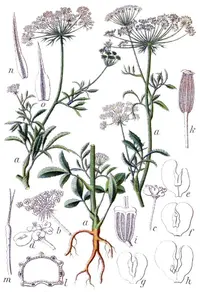
False Queen Anne's lace (Ammi majus) is an annual flowering plant grown mainly for its delicate, lacy white flower clusters. It has slender, branching stems with finely divided foliage and an airy, see-through look that fits well among other garden plants or in cut flower arrangements.
This species is native to the Mediterranean region but is widely grown in temperate gardens, including many parts of the US. It grows upright and usually completes its life cycle in one season, self-seeding lightly where conditions suit it.
Ammi majus is generally easy to grow if given full sun, moderately moist, well-drained soil, and not too much fertilizer. Understanding these basic preferences makes it easier to care for False Queen Anne's lace successfully.

Care Difficulty
Easy Care

Light Preference
Full Sun

Water Requirements
Moderate Water

Temperature Preference
Cool Climate

Hardiness Zone
6–9

Soil Texture
Sandy, Loamy, Organic-rich

Soil pH
Acidic (5.5–6.5), Slightly acidic (6.5–7.0)

Soil Drainage
Well-drained

Fertilization
Light (every 4–6 weeks)
Scan your plant to receive care tips personalized for your specific plant
Available on iOS and Android
Ammi majus thrives in bright, open conditions with direct sun for strong stems and abundant flowers.
Ammi majus prefers evenly moist, well-drained soil rather than frequent, shallow watering.
This cool-season annual performs best in mild conditions and struggles with hard frost or extreme heat.
Ammi majus handles a wide humidity range and rarely needs special humidity management outdoors.
Ammi majus prefers light, well-structured soil that drains freely yet retains modest moisture.
This species can be grown in containers if the pot supports its tall, airy growth habit.
Ammi majus is light-feeding and often grows well in average garden soil, but moderate nutrition improves flowering for False Queen Anne's lace.
Ammi majus benefits from light, timely pruning to extend flowering and maintain a tidy shape.
This annual is usually direct-sown, but young Ammi majus plants can be transplanted with care to limit root disturbance.
Propagation of Ammi majus is most efficient from seed and is commonly done each year.
Ammi majus is treated as a cool-season annual, so individual plants usually finish before winter and need little specific care.

Plant Health Check
Not sure what's wrong with your plant? Check your plant's health inside the app.
The flat, compound umbels of this species provide easy landing platforms and abundant nectar for beneficial insects such as hoverflies, parasitoid wasps, and lacewings, which can help reduce pest populations in nearby crops and gardens.
This plant completes its entire life cycle from seed to seed within a single growing season, investing heavily in flower and seed production rather than long-term vegetative growth, which makes it a prolific self-seeder in suitable conditions.
Although visually similar to some toxic umbellifers such as poison hemlock, this species is not classified among the deadly poisonous species, yet it still belongs to the Apiaceae family and can cause skin irritation in sensitive individuals when sap contacts skin and is then exposed to strong sunlight.

This species originates from the Mediterranean region but has naturalized in many temperate areas worldwide and is commonly used in commercial cut-flower production, because its airy white umbels and long, branching stems hold well in arrangements and complement more solid, bold blooms.
Poor flowering usually comes from too much shade, rich nitrogen-heavy soil, or heat stress. Ensure full sun, avoid overfertilizing, and keep soil just moist. Deadhead spent umbels to direct energy into new buds and extend the display.
Keep your plants happy and healthy with plant identification, disease detection, and easy care guidance.