Alpine-style mulching
Apply a very thin, gritty mulch layer around but not touching the crowns to keep the necks cool, reduce soil splash, and improve drainage without trapping excess moisture.

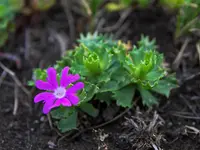
Fairy primrose, Primula minima, is a compact alpine perennial valued for its low, tufted growth and delicate spring flowers. It typically forms small mats of green leaves topped with dainty blooms in cool climates.
In nature, it occurs in high mountain regions of central and southern Europe, where it grows in rocky, well-drained sites with consistent moisture. This background makes it somewhat fussy in warmer, lowland gardens.
It prefers cool temperatures, bright but gentle light, and moist, humus-rich soil that never stays waterlogged. Understanding its alpine origins helps gardeners care for Fairy Primrose more successfully in containers or rock gardens.

Care Difficulty
Moderate Care

Light Preference
Partial Sun

Water Requirements
Regular Water

Temperature Preference
Cold Hardy

Hardiness Zone
3–7

Soil Texture
Sandy, Loamy, Rocky

Soil pH
Acidic (5.5–6.5), Slightly acidic (6.5–7.0)

Soil Drainage
Well-drained

Fertilization
Minimal (feed rarely)
Scan your plant to receive care tips personalized for your specific plant
Available on iOS and Android
This alpine primrose prefers bright conditions with protection from intense midday sun.
Moist but not waterlogged soil is crucial for healthy Primula minima roots.
This alpine species prefers cool to mild temperatures and dislikes extreme heat.
This alpine species prefers cool, moderately humid air and dislikes very dry indoor conditions.
Primula minima needs a sharply drained yet moisture-retentive mix that mimics alpine scree.
This compact alpine is suitable for container growing, especially in cool outdoor spots.
Primula minima benefits from modest feeding in containers but usually needs little fertilizer in lean, well-drained rock garden soils.
Primula minima needs only light pruning to keep rosettes tidy and flowering well.
This alpine species prefers stable conditions, so repotting or transplanting Primula minima should be done only when clearly needed.
Primula minima is commonly propagated by division or seed under cool, moist conditions.
Primula minima is cold hardy but benefits from simple winter care, especially in containers or very wet sites.

Plant Health Check
Not sure what's wrong with your plant? Check your plant's health inside the app.
This species is native to high alpine zones of the European Alps, where it typically grows above the tree line in short turf, rocky ledges, and open limestone screes exposed to intense sun and wind.
In its natural habitat, it tends to flower soon after snowmelt, taking advantage of the brief alpine growing season with low rosettes and short flower stalks that avoid damage from cold winds.
Wild populations often anchor themselves in shallow crevices and gritty soils over limestone or other calcareous rocks, indicating adaptation to mineral-rich but very free-draining substrates.

Primula minima is one of the smallest European primulas, forming very low, compact rosettes only a few centimeters high, an adaptation that reduces heat loss and mechanical stress in the extreme conditions of exposed alpine environments.
Lack of flowers usually comes from temperatures that are too warm, old or exhausted plants, or heavy, high‑nitrogen fertilizing. Provide cool conditions, allow a short rest after flowering, then resume light feeding to support the next bloom cycle.
Keep your plants happy and healthy with plant identification, disease detection, and easy care guidance.