mountain azalea Care (Rhododendron canescens)

Also known as: Southern Pinxter Azalea
mountain azalea

About mountain azalea

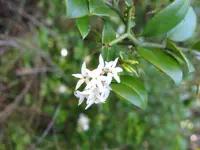
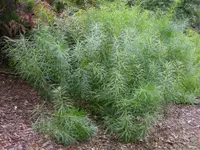
Mountain azalea (Rhododendron canescens) is a deciduous flowering shrub valued for its showy spring blooms and soft, aromatic flowers. It belongs to the azalea group within the rhododendron genus and typically forms an airy, upright shape.

In nature it occurs in the southeastern United States, often along woodland edges, stream banks, and moist slopes. Flowers usually appear before or with the new leaves, creating a striking display in soft pink to white tones.

This species prefers acidic, moist, well-drained soil and bright dappled light, similar to open woodland conditions. Once sited correctly and protected from extreme drought or heat, it is relatively manageable for gardeners learning how to care for mountain azalea.

Main Plant Requirements

Care Difficulty

Moderate Care

Light Preference

Partial Shade

Water Requirements

Keep Soil Moist

Temperature Preference

Cold Hardy

Hardiness Zone

6–9

Soil Texture

Sandy, Loamy, Organic-rich

Soil pH

Strongly acidic (4.5–5.5)

Soil Drainage

Moist but well-drained

Fertilization

Minimal (feed rarely)

Get Personalized Care Plan

Scan your plant to receive care tips personalized for your specific plant

Available on iOS and Android

How to Care for the mountain azalea

This deciduous azalea thrives in bright, gentle light with some protection from harsh sun.

  • Provide 3–5 hours of morning sun with light or dappled shade the rest of the day, especially in warm climates.
  • Avoid intense afternoon sun, which can scorch leaves and fade flowers; use high, open shade or filtered light under taller trees for mountain azalea.
  • In cooler seasons and climates, allow a bit more direct light, but watch for pale, leggy growth as a sign of insufficient sun.

This shrub prefers consistently moist but not saturated soil and reacts quickly to extremes.

  • Water when the top 3–5 cm of soil feel dry, aiming to keep the root zone evenly damp rather than wet or bone dry.
  • Use acidic, well-drained soil rich in organic matter so Rhododendron canescens roots receive moisture without standing water.
  • Increase watering during hot, dry spells and flowering; reduce in cool seasons, watching for drooping leaves (too dry) or yellowing, mushy roots (overwatered).

This species tolerates a range of outdoor temperatures but performs best in mild conditions.

  • Aim for 60–75°F (16–24°C) during active growth, which supports steady leaf and bud development.
  • Mature plants usually tolerate short dips to about 0–5°F (-18 to -15°C) when dormant, but young shrubs benefit from mulch and wind protection in winter.
  • In hot climates, prolonged exposure above 90°F (32°C) can stress plants, so provide shade, mulch, and consistent moisture during summer heat.

This species prefers moderately humid air and reacts quickly to prolonged dryness.

  • Aim for 50–70% humidity, as very dry indoor air often leads to browning leaf tips and quicker flower drop.
  • Watch for rolled, dull, or crispy leaf edges as signs of low humidity stress in mountain azalea.
  • Increase humidity outdoors by mulching and grouping shrubs; indoors or on patios use pebble trays or a nearby humidifier instead of frequent misting.

Rhododendron canescens needs acidic, well-aerated, moisture-retentive soil that never becomes waterlogged.

  • Use a loose, organic-rich mix such as 50% pine bark fines, 25% peat or coir, and 25% perlite or coarse sand for structure.
  • Maintain pH around 4.5–6.0; test soil and amend with elemental sulfur if readings creep toward neutral.
  • Ensure sharp drainage by planting in raised beds or mounded soil so excess water runs off rather than pooling at the root zone.
  • Avoid heavy clay, compacted ground, or mixes rich in limestone, which restrict root aeration and cause nutrient lockout.

This species can be grown successfully in containers when moisture, acidity, and stability are managed carefully.

  • Choose a wide, relatively shallow container to match the fibrous, surface-oriented root system and prevent deep, soggy zones.
  • Select a sturdy, heavy pot material like thick clay or ceramic to stabilize the shrub’s top growth against wind on patios or balconies.
  • Elevate the pot on feet or grids so drainage holes stay clear and excess water exits quickly after rain or irrigation, preventing root suffocation.

This woodland shrub needs modest, careful feeding to support flowering without stressing its fine roots.

  • Apply a light layer of acidic compost or leaf mold in early spring as the main nutrient source for mountain azalea.
  • Use a slow-release, acid-forming fertilizer (for azaleas/rhododendrons) at half strength once in early to mid spring.
  • Feed again lightly in late spring if growth seems weak; avoid summer and late-season applications.
  • Do not fertilize in winter dormancy, and always water before and after feeding to reduce root burn.

Rhododendron canescens benefits from light, well-timed pruning to maintain shape and flowering.

  • Time pruning for just after flowering in late spring so the plant can set next year’s buds.
  • Remove dead, diseased, or storm-damaged wood first using clean, sharp hand pruners.
  • Thin crowded interior branches to improve air flow and reduce fungal problems.
  • Shorten overly long shoots to shape the shrub, cutting back to a healthy outward-facing bud.

This species is usually grown in the ground, so focus on careful transplanting rather than frequent repotting.

  • Transplant in late fall or early spring when growth is slow and temperatures are mild.
  • Look for signs such as poor vigor, roots circling a container, or being pot-bound before moving a plant.
  • Lift with as much intact root ball as possible, keep roots shaded and moist, and replant at the same depth in acidic, well-drained soil.
  • Water thoroughly after transplanting, then keep soil evenly moist and reduce stress with light shade and mulch around the root zone.

Propagation of Rhododendron canescens is usually done vegetatively to preserve desirable traits.

  • Take semi-ripe cuttings in late summer, 7–10 cm long, and root them in a moist, acidic, well-drained medium under high humidity.
  • Use simple layering in spring by pinning a flexible low branch into the soil until roots form, then severing it.
  • Sow fresh seed in late winter on the surface of sterile, acidic mix, keeping it bright, evenly moist, and frost-free.
  • Provide bottom warmth around 70–75°F and gentle air movement to limit fungal disease during rooting or germination.

This deciduous azalea is fairly cold hardy but benefits from basic winter protection in harsher climates.

  • Tolerates light to moderate frost when established, but young plants are more sensitive to deep freezes.
  • Apply 5–8 cm of organic mulch in late fall to insulate the root zone and moderate soil temperature.
  • In windy or exposed sites, use a breathable burlap screen to reduce desiccation of buds and stems.
  • Move container-grown plants into a sheltered, unheated but frost-free area if extended hard freezes are expected.

Care Tips

Mulch Root Zone

Maintain a 5–8 cm layer of loose pine bark, pine needles, or shredded oak leaves over the root zone, keeping it a few cm away from the stems to stabilize soil moisture, suppress weeds, and buffer root temperatures.

Protect From Lime

If your irrigation water is hard or alkaline, use collected rainwater and avoid lime-containing gravel or concrete rubble near the planting area to prevent gradual soil pH rise and leaf chlorosis.

Staggered Bud Checks

From late winter to early spring, inspect flower buds every 1–2 weeks and remove any that feel soft, blackened, or shriveled to limit fungal spread and concentrate energy into healthy buds.

Targeted Pest Scouting

Every 2–3 weeks during the growing season, check the underside of leaves and new shoots for lace bugs, spider mites, or azalea caterpillars and treat early with a directed spray of insecticidal soap or horticultural oil if populations are small.

Summer Shade Cloth

In hotter regions, install temporary 30–40% shade cloth on the west side during the hottest months to reduce leaf scorch and stress, which improves long-term performance when growing mountain azalea.

Common Pests and Diseases

Azalea lace bug

This pest feeds on the underside of leaves, causing pale, stippled foliage and a dull, bleached appearance, especially in sunny exposures. Symptoms include tiny dark spots of excrement and thin, papery leaves on stressed plants.

Solution

Inspect the undersides of leaves regularly and hose them off with a strong stream of water to remove nymphs and adults. For persistent infestations, use a horticultural oil or insecticidal soap directed to the leaf undersides and reduce plant stress by providing light shade and adequate irrigation during dry, hot periods.

Azalea leaf gall

This disease causes thickened, curled, fleshy leaves or flower parts that turn pale green to white, then eventually white-pink, before drying and turning brown. Symptoms include distorted new growth in spring, often in cool, wet weather.

Solution

Hand-pick and destroy galled leaves and shoots as soon as they appear, before they turn white and produce spores. Improve air circulation around the shrub, avoid overhead watering in spring, and remove nearby fallen infected material to reduce future infections.

Petal blight

This disease attacks flowers, causing water-soaked spots that quickly expand into mushy, brown, collapsing petals and premature flower drop. Symptoms include entire trusses browning and hanging on the plant in wet, warm weather.

Solution

Remove and dispose of all blighted flowers and spent trusses promptly, including those on the ground. Keep sprinkler water off the blooms, improve air movement by thinning dense branches, and use a mulch layer to reduce splash of fungal spores from soil to flowers.

Phytophthora root and crown rot

This disease affects roots and the crown, leading to wilting, leaf yellowing, and dieback even when soil appears moist. Symptoms include plants that decline over time in poorly drained or frequently saturated soils.

Solution

Improve drainage by planting on raised beds, avoiding low, waterlogged sites, and using a coarse, well-drained acidic substrate. Remove and discard severely affected plants, avoid overwatering, and do not allow water to pool around the base; only consider fungicidal drenches labeled for Phytophthora in high-value landscape situations.

Spider mites

These insects are tiny sap-feeders that thrive in hot, dry conditions, causing fine speckling, bronzing, and a dull, dusty look on leaves. Symptoms include very fine webbing on the undersides of leaves and leaf drop on heavily infested plants.

Solution

Rinse foliage thoroughly with water, focusing on the undersides of leaves, and repeat weekly until populations drop. Increase humidity around the shrub where feasible, avoid drought stress, and use horticultural oil or insecticidal soap if washing is not sufficient, applying in the cooler part of the day to avoid leaf burn.

Interesting Facts

Fragrant spring display

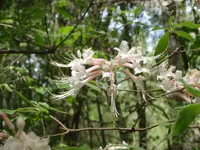
This species produces clusters of pale pink to white, funnel-shaped flowers with long protruding stamens, and the blooms are notably fragrant, often described as having a sweet, spicy scent that is strongest in the evening and early morning.

Naturally deciduous azalea

Unlike many evergreen rhododendrons, this plant is fully deciduous, dropping its leaves in autumn and developing new foliage just after or alongside its spring flowering period, which allows more light to reach forest floors in winter.

Native to southeastern US

The species is naturally found from eastern Texas across the Gulf Coast states into the Carolinas, where it grows in moist woodlands, stream banks, and seasonally wet sites with acidic, well-drained soils.

Botan icon

Did you know?

Rhododendron canescens often hybridizes naturally with other native deciduous azaleas in the southeastern United States, creating complex hybrid swarms that can make field identification challenging even for specialists.

FAQs about mountain azalea

Lack of flowers usually comes from too little light, pruning at the wrong time, or nutrient imbalance, especially excess nitrogen. Buds can also be damaged by late frosts or drought stress during the previous summer.

Grow Healthy Plants with Botan Care

Keep your plants happy and healthy with plant identification, disease detection, and easy care guidance.

Botan plant care app — identify plants on mobile

Explore More Plants