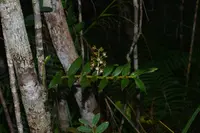
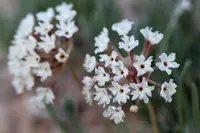
Hubricht's bluestar Care (Amsonia hubrichtii)

Also known as: blue star
Hubricht's bluestar

About Hubricht's bluestar

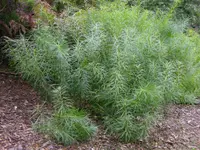
Hubricht's bluestar (Amsonia hubrichtii) is a clump-forming perennial grown mainly for its fine, thread-like foliage and soft blue spring flowers. It forms dense mounds that stay attractive from leaf-out to frost.

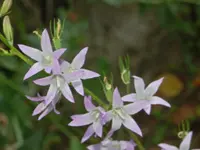
In spring, star-shaped pale blue blooms appear above the foliage, followed by a strong golden to copper fall color. The plant is native to the south-central United States, especially Arkansas and nearby regions.

It is valued in gardens because it is long lived, low maintenance, and generally resistant to pests and browsing. Gardeners who want to know how to care for Hubricht's bluestar mainly need to focus on giving it sun, well-drained soil, and consistent but moderate moisture.

Main Plant Requirements

Care Difficulty

Easy Care

Light Preference

Full Sun

Water Requirements

Moderate Water

Temperature Preference

Cold Hardy

Hardiness Zone

5–9

Soil Texture

Sandy, Loamy, Clay

Soil pH

Acidic (5.5–6.5), Slightly acidic (6.5–7.0)

Soil Drainage

Well-drained

Fertilization

Minimal (feed rarely)

Get Personalized Care Plan

Scan your plant to receive care tips personalized for your specific plant

Available on iOS and Android

How to Care for the Hubricht's bluestar

This perennial thrives in sunny garden beds where it can build dense, upright growth.

  • Provide 6–8 hours of direct sun daily; morning sun with light afternoon shade gives strong stems and the best golden fall color for Hubricht's bluestar.
  • Tolerates light or open shade (around 3–4 hours sun), but plants become looser, with fewer flowers and less intense autumn color.
  • In hot summer regions, protect from harsh west-facing afternoon sun to reduce leaf scorch and stress, especially in dry, exposed sites.

This plant prefers evenly moist but not saturated soil, especially during its first 1–2 growing seasons.

  • Water deeply when the top 3–5 cm of soil feels dry, focusing on the root zone rather than light surface sprinkling.
  • During hot, dry spells, monitor Amsonia hubrichtii every few days; leaves that droop by evening and stay limp signal the need for a thorough soak.
  • Avoid poorly drained or compacted soil; yellowing lower leaves, weak stems, or persistent soggy ground suggest overwatering or drainage problems.

This hardy perennial is adapted to outdoor conditions with cold winters and warm summers.

  • Active growth is strongest in spring and early summer at 60–80°F (16–27°C), with flowering and foliage quality best in moderate, stable temperatures.
  • Fully hardy in many temperate climates, it survives winter lows near -20°F (-29°C) once established and fully dormant in the ground.
  • Tolerates summer heat up to about 90–95°F (32–35°C) if soil moisture is sufficient; extended extreme heat with drought can cause leaf browning and early dieback.

This species is an outdoor perennial that grows well in typical 30–60% ambient humidity and rarely needs special humidity management.

This perennial prefers loose, well-drained, moderately fertile ground to support deep, fibrous roots.

  • Use a loamy or sandy-loam texture with moderate organic matter to balance moisture retention and drainage.
  • Target slightly acidic to neutral pH, around 6.0–7.0, which suits Amsonia hubrichtii in most garden soils.
  • Improve drainage and aeration by incorporating coarse sand or fine grit into heavy or compacted ground before planting.
  • Avoid consistently wet, boggy, or highly compacted sites where water lingers after rain, as this encourages root decline.

This species can grow in containers, but long-term performance is better in open ground due to its deep, spreading root system.

  • Choose a tall, stable pot that allows for deeper rooting and prevents the plant from becoming top-heavy in wind.
  • Use a gritty, free-draining mix, such as compost blended with coarse sand or fine gravel, to avoid prolonged saturation around roots.
  • Select a heavier container material like clay or concrete to help anchor the plant and reduce tipping in exposed locations.

This low-maintenance perennial needs only light feeding to support healthy growth and flowering.

  • Apply a thin layer of compost around Hubricht's bluestar in early spring to enrich the soil slowly.
  • Use a balanced slow-release fertilizer (around 10-10-10) at half strength once in spring if growth is weak or soil is poor.
  • Avoid summer and fall feeding so stems harden properly before winter dormancy.
  • Water after applying any fertilizer to prevent root burn and help nutrients move into the root zone.

Pruning Amsonia hubrichtii is simple and focuses on tidying the plant and maintaining a dense, mounded shape.

  • Cut back dead, broken, or winter-damaged stems in early spring using clean hand pruners.
  • Shear or cut the whole clump back by about one-third right after flowering to encourage bushier growth.
  • Remove a few crowded interior stems at the base to improve air flow and reduce disease risk.
  • Avoid heavy midsummer cutting, which can stress the plant during heat and drought.

This species is most often grown in the ground and dislikes frequent disturbance once established.

  • Transplant in early spring or early fall so roots can reestablish in cool, moist conditions.
  • Move plants only when clumps are overcrowded, flowering declines, or growth is poor despite good care.
  • Lift the clump carefully with a spade, keeping a wide soil ball to limit root damage and stress.
  • Replant at the same depth in well-drained soil, water thoroughly, then keep evenly moist until new growth resumes.

Amsonia hubrichtii is commonly propagated by division, with seed and cuttings used less often in gardens.

  • Divide established clumps in early spring, slicing the root mass into sections with several shoots each.
  • Replant divisions immediately in moist, well-drained soil and water consistently until strong new growth appears.
  • Sow fresh seeds outdoors in fall or cold-stratify indoors, as many seeds need a cold period to germinate well.
  • Take softwood cuttings in late spring, use rooting hormone, and place in a bright, warm, humid environment until rooted.

This perennial is cold hardy in most temperate climates and usually needs minimal winter attention.

  • Tolerates typical winter frost once established, with top growth naturally dying back.
  • Allow autumn foliage to stand until late fall for visual interest, then cut back after it collapses.
  • Apply a light 5–7 cm mulch after the ground cools to buffer freeze-thaw cycles, especially for new plantings.
  • If grown in containers in cold regions, move pots to a sheltered, unheated area to protect the root system.

Care Tips

Use low-nitrogen feed

If growth is weak or stems flop despite full sun, apply a low-nitrogen, higher-potassium granular fertilizer in early spring to strengthen stems and enhance fall color rather than push soft, lush growth.

Shear for denser mounds

Right after flowering, lightly shear back the top 5–10 cm of growth to encourage a fuller, dome-shaped clump and reduce late-season flopping without sacrificing next year’s blooms.

Strategic plant spacing

Space plants 60–75 cm apart in groupings of 3–5 so that mature clumps knit together and support each other, which minimizes the need for staking in windy or exposed sites.

Winter debris management

Leave stems and foliage standing through winter to protect crowns and beneficial insects, then cut back to ground level in late winter before new shoots emerge to reduce disease carryover.

Mulch ring technique

Maintain a 5–8 cm deep mulch ring that stops 3–5 cm short of the stems so the root zone stays cool and evenly moist while the crown remains dry and less prone to crown rot when caring for Hubricht's bluestar.

Common Pests and Diseases

Rust

This disease occasionally affects Hubricht's bluestar foliage, causing scattered orange to brown pustules on leaves and sometimes mild yellowing. Symptoms include reduced vigor and early leaf drop in heavier infections.

Solution

Remove and destroy affected leaves as soon as symptoms appear and keep overhead watering to a minimum to reduce leaf wetness duration. Improve air circulation by spacing plants properly, and if rust recurs annually, apply a sulfur or copper-based fungicide labeled for ornamental perennials in early spring as new growth emerges.

Leaf spot

This disease appears as small tan to brown spots on leaves that may coalesce in wet seasons, giving the foliage a speckled or blighted look. Symptoms include cosmetic damage more than plant death, but severe cases can weaken the plant over time.

Solution

Cut and dispose of heavily spotted foliage at the end of the season to remove overwintering spores, and avoid wetting leaves when irrigating. If spotting is persistent in humid climates, use a preventive broad-spectrum ornamental fungicide at label rates during extended wet periods, combined with good airflow and sanitation as the primary control.

Stem blight

This disease can cause individual stems to wilt, darken, and collapse, often starting near the soil line after prolonged wet conditions. Symptoms include sudden dieback of shoots while nearby stems remain healthy.

Solution

Promptly prune out and discard affected stems to just below the discolored tissue, disinfecting pruning tools between cuts with alcohol or a 10% bleach solution. Improve drainage, avoid mulching tightly against the crown, and reduce overhead watering; in beds with a history of blight, consider a spring application of a systemic fungicide labeled for ornamental stem blights as part of broader Amsonia hubrichtii care.

Aphids

These insects occasionally cluster on young shoots and flower stems, sucking sap and causing mild distortion or sticky honeydew on foliage. Symptoms include reduced vigor of new growth and, in heavier infestations, curling or yellowing leaves.

Solution

Wash colonies off with a strong stream of water, focusing on tender shoot tips and undersides of leaves, and repeat every few days as needed. For persistent populations, introduce or protect natural predators such as lady beetles, or use an insecticidal soap or horticultural oil spray, applied thoroughly and in the early morning or evening to avoid leaf burn.

Spider mites

This pest may appear during hot, dry weather, causing fine stippling on leaves and a dull, gray-green cast to the foliage, sometimes with delicate webbing. Symptoms include gradual thinning and premature browning of the fine foliage if left unchecked.

Solution

Increase humidity around the plant and spray foliage with a firm jet of water, paying special attention to leaf undersides to dislodge mites. Where damage is noticeable, use a horticultural oil or miticidal soap labeled for spider mites, applied at 7–10 day intervals, and avoid chronic drought stress that predisposes the plant to mite buildup.

Interesting Facts

Arkansas riverbank origins

This species was first described from wild populations along rocky riverbanks in the Ouachita Mountains of Arkansas, where it naturally grows in thin, well-drained soils in full sun.

Threadlike foliage physics

The extremely narrow, needle-like leaves greatly reduce wind resistance and water loss, which helps the plant stay upright and drought-tolerant in exposed, sunny habitats.

Gold-standard autumn color

In fall, the foliage turns a uniform, luminous golden yellow due to the breakdown of chlorophyll and the strong expression of carotenoid pigments, making it one of the most valued North American perennials for consistent autumn color.

Botan icon

Did you know?

Amsonia hubrichtii received the Perennial Plant of the Year award in 2011 from the Perennial Plant Association, a recognition based on its ornamental quality, reliability, and adaptability in a wide range of garden conditions.

FAQs about Hubricht's bluestar

This species usually flowers in mid to late spring, depending on climate. The blue star-shaped blooms often last 3–4 weeks. Faded flowers give way to attractive, threadlike foliage that develops strong golden fall color.

Grow Healthy Plants with Botan Care

Keep your plants happy and healthy with plant identification, disease detection, and easy care guidance.

Botan plant care app — identify plants on mobile

Explore More Plants