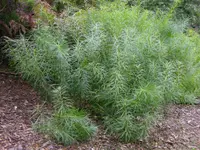
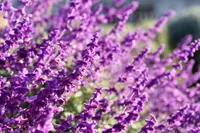
Galisteo sand verbena Care (Abronia bigelovii)

Galisteo sand verbena

About Galisteo sand verbena

Galisteo sand verbena (Abronia bigelovii) is a low, spreading perennial native to sandy deserts and arid grasslands of the southwestern United States. It typically forms small mounds with trailing stems.

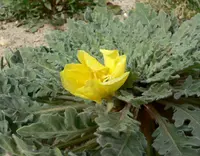
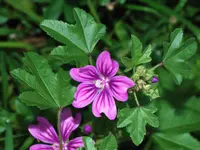
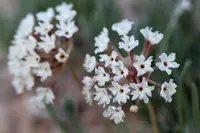
The plant carries clusters of delicate, tubular flowers, often pink to lavender, held above fleshy, slightly sticky leaves. Its compact habit and showy blooms can suit dry rock gardens and native habitat plantings.

This species is adapted to hot sun, fast-draining sandy soils, and low to moderate moisture, which shapes how to care for Galisteo sand verbena in cultivation.

Main Plant Requirements

Care Difficulty

Moderate Care

Light Preference

Full Sun

Water Requirements

Low Water

Temperature Preference

Warm Climate

Hardiness Zone

7–9

Soil Texture

Sandy, Rocky

Soil pH

Slightly acidic (6.5–7.0), Neutral (7.0)

Soil Drainage

Well-drained

Fertilization

Minimal (feed rarely)

Get Personalized Care Plan

Scan your plant to receive care tips personalized for your specific plant

Available on iOS and Android

How to Care for the Galisteo sand verbena

This sun-loving desert annual needs strong light to flower well in garden or wild settings.

  • Provide 6–8 hours of direct sun daily; full sun with open exposure suits Galisteo sand verbena best in most climates.
  • In very hot regions, give light afternoon shade or morning-only sun to reduce leaf scorch and stress during long, intense summer days.
  • Plants grown in too much shade become leggy, produce fewer blooms, and may flop; choose a bright, open site and avoid shading from shrubs or tall grasses.

This species is adapted to dry, sandy habitats and prefers infrequent, light watering once established.

  • Allow the top 5–8 cm of sandy or gritty soil to dry completely before watering, then apply a thorough soak that drains quickly.
  • During the main growing and flowering season, monitor leaves; slight softening or dull color suggests it is time to water Abronia bigelovii.
  • Yellowing, mushy stems indicate overwatering or poor drainage, while crisp, shriveled foliage and stalled growth point to prolonged drought stress.

This desert annual prefers warm, dry conditions and is not tolerant of hard frost.

  • Ideal growth occurs around 70–85°F (21–29°C), with flowering promoted by consistently warm days and cooler, but not cold, nights.
  • Plants usually tolerate brief dips to about 25–28°F (-4 to -2°C), but repeated freezes or colder events can kill foliage and young plants.
  • Heat tolerance is good up to 95–100°F (35–38°C) if soil drains well; combine high temperatures with low humidity and avoid overwatering in hot periods.

Abronia bigelovii prefers dry air and does not need extra humidity.

  • Aim for ambient humidity around 20–40% to mimic its native desert conditions.
  • Dry indoor air is usually acceptable; avoid placing the plant near humidifiers or bathrooms.
  • True humidity stress appears as soft, rotting stems or mildew on leaves rather than crisp tips, so reduce moisture around the plant if this occurs when caring for Galisteo sand verbena.

This desert annual requires very fast-draining, sandy soil to thrive.

  • Use a gritty mix such as 60–70% coarse sand with the rest pumice or perlite and a small amount of low-organic potting mix.
  • Ensure the structure is loose and airy; avoid compacted or clay-heavy soils that hold water around the roots.
  • A slightly alkaline to neutral pH around 7.0–8.0 suits Abronia bigelovii, similar to many Southwest desert soils.
  • Raise beds or plant on mounded ridges to further improve drainage and reduce the risk of crown and root rot.

This species can be grown in containers if the pot mimics very sharp-draining desert conditions.

  • Choose a wide, shallow pot to accommodate its spreading habit while keeping the root zone quick-drying.
  • Use unglazed terracotta to allow moisture to evaporate faster and prevent the mix staying wet for long periods.
  • Elevate the pot on feet or bricks so drainage holes never sit in a saucer of water, keeping roots aerated and dry.

This desert native needs only light feeding, so focus on lean, well-drained soil when caring for Galisteo sand verbena.

  • Apply a low-dose balanced NPK fertilizer at 1/4 strength once in mid-spring if growth seems weak.
  • Use a small amount of compost or compost-infused sandy mix instead of heavy, rich soils.
  • Avoid fertilizing during summer dormancy or in winter to prevent soft, weak growth.
  • Flush containers with water occasionally to prevent salt buildup from any applied fertilizer.

Pruning Abronia bigelovii is minimal and mainly supports a tidy habit and good flowering.

  • Carry out light pruning in late winter or very early spring before strong new growth starts.
  • Remove dead, damaged, or diseased stems with clean, sharp scissors or hand pruners.
  • Trim back overly sprawling or crowded stems to improve air flow and maintain a low, mounded form.
  • Deadhead spent flower clusters to encourage a neater look and potentially extend the blooming period.

This species is usually grown in the ground, so focus on careful transplanting rather than frequent repotting.

  • Transplant in early spring once frost risk has passed to allow roots a full season to establish.
  • Look for signs like poor vigor or roots circling a small container as indicators it has outgrown its pot.
  • Move plants into a slightly larger container or sandy, well-drained bed, disturbing roots as little as possible.
  • Water lightly after transplanting, then allow the soil to dry between waterings to reduce root stress and rot risk.

Abronia bigelovii is most often propagated from seed, with some growers also using soft stem cuttings.

  • Sow fresh seeds in late fall or early spring in a very sandy, gritty mix with good drainage.
  • Provide bright light, good air circulation, and a light soil surface cover to support germination.
  • For cuttings, take non-flowering tips in late spring and root in a warm, bright, shaded location.
  • Keep the medium just barely moist, never wet, to reduce damping-off and stem rot during establishment.

This plant is adapted to dry, cold desert winters and usually needs only basic protection in cultivation.

  • In-ground plants in suitable climates tolerate light frost if soil is sharply drained.
  • Apply a thin layer of gravel or coarse sand mulch to keep the crown dry through winter.
  • For containers in colder regions, move pots to a cold, bright, frost-free spot and water sparingly.

Care Tips

Low-disturbance mulching

Use a very thin (0.5–1 in) layer of coarse mineral mulch such as small gravel around the crown to keep roots cool, reduce erosion, and avoid organic mulches that hold excess moisture and promote rot for this desert species.

Protective wind exposure

Site plants where they receive some wind exposure to strengthen stems, but use low rock edging or low-profile barriers on extremely exposed sites to reduce sandblasting of young foliage.

Seed collection timing

Collect seed when the papery bracts turn dry and tan but before they shatter, then store in a labeled paper envelope in a cool, dry place for re-sowing the following season.

Autumn reseeding strip

Leave a narrow band of soil under the healthiest plants undisturbed in late summer and autumn so mature seed can fall and germinate naturally, which is one of the most reliable methods for growing Galisteo sand verbena in home gardens.

Root-zone drainage check

After heavy rain, inspect the planting area and, if water lingers around the root zone for more than a few hours, slightly mound additional gritty soil or sand to lift the crown above any temporary pooling.

Common Pests and Diseases

Spider mites

This pest often appears in hot, very dry conditions and can cause fine speckling, dulling, and webbing on the foliage and stems.

Solution

Rinse plants with a firm stream of water to break up webs and dislodge mites, then improve air movement and avoid overhead watering that keeps foliage dusty. If needed, use a targeted insecticidal soap or horticultural oil applied in the evening, repeating weekly until new growth appears clean.

Leaf miners

These insects create pale, winding tunnels inside the narrow leaves, which can cause cosmetic damage and premature leaf drop on stressed plants.

Solution

Remove and destroy mined leaves as soon as they are noticed to interrupt the life cycle. For larger infestations, use a systemic insecticide labeled for ornamental leaf miners, applied according to label directions and timed to protect new foliage.

Powdery mildew

This disease produces white, dusty patches on leaves and stems, especially when nights are cool and sites are slightly humid despite overall dry climates.

Solution

Increase spacing and airflow, avoid wetting foliage, and remove heavily infected plant parts. Where needed, apply a sulfur or potassium bicarbonate fungicide labeled for powdery mildew, starting at the first sign of infection and repeating as directed.

Damping-off

This disease affects seeds and very young seedlings, causing stems to constrict at the soil line and collapse in poorly drained or overwatered propagation media.

Solution

Use a sterile, sharply drained seed mix, sow thinly, and allow the surface to dry slightly between waterings. Discard affected seedlings and trays, and consider a labeled seed-starting fungicide drench only if cultural adjustments do not prevent further losses in future sowings.

Aphids

These insects cluster on new growth and flower stems, sucking sap and sometimes causing distortion or sticky honeydew on the plant surface.

Solution

Spray plants with water to knock aphids off and reduce numbers, then encourage natural predators such as lady beetles by minimizing broad-spectrum insecticides. If populations remain high, use insecticidal soap or neem oil directed to the undersides of leaves and tender tips, repeating at 5–7 day intervals until controlled.

Interesting Facts

Localized desert specialist

This species is native to the high desert of northern New Mexico, where it grows on open, sandy or gypsiferous soils around the Galisteo Basin and nearby areas, often in sparsely vegetated shrubland. Its naturally restricted range makes it of conservation interest because habitat disturbance can quickly affect populations.

Evening-fragrant flowers

The plant produces tight, rounded clusters of pink to magenta flowers whose fragrance becomes more noticeable in the evening, an adaptation that helps attract nocturnal pollinators such as moths. The tubular flowers are held on sticky stems that can also trap small insects and windblown debris.

Sand-stabilizing growth form

Its low, spreading habit and somewhat fleshy leaves help anchor loose, shifting sands, reducing erosion in its native habitat. This growth form also creates small microhabitats that can shelter seeds and soil invertebrates.

Botan icon

Did you know?

This species was first described from material collected near the historic railroad town of Galisteo, New Mexico, and its common name, Galisteo sand verbena, preserves that local geographic connection in botanical literature and regional conservation work.

FAQs about Galisteo sand verbena

Yes, the clusters of tubular, fragrant flowers are highly attractive to native bees, small solitary bees, moths, and some butterflies. Planting it in sunny, open spots can support local pollinator populations in dry landscapes.

Grow Healthy Plants with Botan Care

Keep your plants happy and healthy with plant identification, disease detection, and easy care guidance.

Botan plant care app — identify plants on mobile

Explore More Plants