Golden Leaved Pineapple Sage Care (Salvia elegans Rockin'® Golden Delicious)

Also known as: Salvia

About Golden Leaved Pineapple Sage

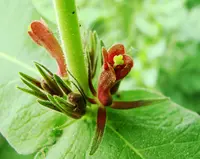
Golden leaved pineapple sage, Salvia elegans Rockin'® Golden Delicious, is a tender perennial herb grown mainly for its bright golden foliage and fruity pineapple scent. It forms a bushy, upright clump with soft, aromatic leaves and vivid tubular flowers that attract hummingbirds and other pollinators.

This cultivar originates from garden selections of a Mexican species, so it prefers warm conditions and does best in mild climates or with winter protection. It is generally easy to grow if it receives plenty of light, moderate moisture, and well-drained soil. For most home gardeners, learning how to care for Golden Leaved Pineapple Sage is straightforward once its need for sun and protection from cold is understood.

Main Plant Requirements

Care Difficulty

Easy Care

Light Preference

Full Sun

Water Requirements

Moderate Water

Temperature Preference

Tropical / Frost Sensitive

Hardiness Zone

9–11

Soil Texture

Sandy, Loamy, Organic-rich

Soil pH

Acidic (5.5–6.5), Slightly acidic (6.5–7.0)

Soil Drainage

Moist but well-drained

Fertilization

Light (every 4–6 weeks)

Get Personalized Care Plan

Scan your plant to receive care tips personalized for your specific plant

Available on iOS and Android

How to Care for the Golden Leaved Pineapple Sage

This plant thrives in bright outdoor conditions with consistent sun exposure for strong growth and flowering.

  • Provide 6–8 hours of direct sun daily, with a preference for gentle morning sun and some protection from intense late-afternoon summer sun.
  • Tolerates light partial shade, especially in hot climates, but flowering and foliage color of Golden Leaved Pineapple Sage improve in sunnier sites.
  • In very hot regions, use filtered light from a thin tree canopy or a south/east exposure; pale, scorched leaves indicate excess sun, while lanky, leaning stems signal insufficient light.

This salvia prefers evenly moist, well-drained soil and reacts quickly to both drought and excess water.

  • Water when the top 3–5 cm of soil feels dry, applying a deep soak so moisture reaches the root zone instead of frequent light splashes.
  • Ensure sharply drained soil or raised beds; soggy conditions around Salvia elegans Rockin'® Golden Delicious cause root rot, yellowing leaves, and a limp, collapsing appearance.
  • In summer heat, monitor more often for drooping, dull leaves that recover after watering; in cooler months, water less as growth slows and the soil stays moist longer.

This plant grows best in warm, frost-free conditions typical of long, mild growing seasons.

  • Optimal growth occurs at 65–80°F (18–27°C), where shoots extend steadily and flowering is reliable through the warm months.
  • Tissue damage begins around 30–32°F (-1–0°C); repeated light frosts can kill top growth, while hard freezes below 25°F (-4°C) may kill the whole plant without mulching or protection.
  • Tolerates summer heat up to about 90–95°F (32–35°C) if soil moisture is maintained; in prolonged heat waves, expect some leaf scorch and consider light afternoon shade and extra mulching.

This sage tolerates typical indoor humidity but grows best with moderate moisture in the air.

  • Aim for 40–60% relative humidity to keep foliage lush and reduce leaf edge browning.
  • It tolerates short periods of drier air, but persistent levels below 30% can cause crisp tips and slower growth.
  • Increase humidity with a nearby pebble tray or grouping plants together rather than misting Golden Leaved Pineapple Sage frequently.

This plant prefers a loose, well-aerated mix that drains quickly yet holds moderate moisture.

  • Use a light loam-based mix amended with 30–40% perlite or coarse sand to prevent waterlogging.
  • In containers, a blend of standard potting mix, compost, and perlite supports both drainage and nutrient supply.
  • Maintain slightly acidic to neutral pH, around 6.0–7.0, to keep nutrient uptake stable and foliage color strong.
  • Avoid heavy clay, compacted mixes, or pots that stay wet for more than 1–2 days after watering, since Salvia elegans Rockin'® Golden Delicious is prone to root stress in saturated conditions.

This sage is well suited to container growing when the pot supports its fast, bushy growth.

  • Choose a container that is wider than it is deep to give lateral roots and branching stems stable space to spread without tipping.
  • Select heavier materials like ceramic or thick plastic if the site is windy, as foliage mass can make the plant top-heavy.
  • Ensure generous drainage holes and elevate the pot on feet or bricks so water clears quickly and does not pool under the base.

This aromatic cultivar benefits from modest, consistent feeding during the active growing season.

  • Apply a balanced liquid fertilizer (for example 10-10-10) at 1/2 strength every 3–4 weeks from spring to late summer.
  • Use a thin layer of compost around the root zone in spring to support soil life and slow nutrient release.
  • Stop feeding Golden Leaved Pineapple Sage in late summer to allow growth to harden before cold weather.
  • Do not fertilize in winter; water lightly so roots stay moist but not waterlogged.

Salvia elegans Rockin'® Golden Delicious responds well to light, timely pruning that maintains a compact, flower-heavy shape.

  • In late winter or very early spring, cut back stems by about 1/3 to encourage dense new growth.
  • Remove dead, damaged, or crossing stems whenever seen, using clean, sharp hand pruners.
  • Pinch soft tips in spring and early summer to promote bushier growth and more flowering shoots.
  • After the main bloom flush, lightly trim spent flower stems to tidy the plant and extend the flowering period.

This salvia adapts well to both containers and garden beds but dislikes severe root disturbance.

  • Check containers yearly; repot when roots circle the pot, water drains very fast, or growth becomes stunted.
  • Plan repotting or garden transplanting for spring, after frost risk has passed and new growth starts.
  • Move up only 1 pot size, using a well-drained mix; gently loosen circling roots without tearing thick roots heavily.
  • Water thoroughly after moving, then keep in bright, sheltered conditions for 5–7 days to limit transplant shock.

New Salvia elegans Rockin'® Golden Delicious plants are most reliable from softwood or semi-ripe stem cuttings.

  • Take 7–10 cm softwood cuttings in late spring to midsummer from non-flowering shoots.
  • Remove lower leaves, dip the cut end in rooting hormone, and insert into a free-draining mix of perlite and peat-free compost.
  • Maintain bright, indirect light, high humidity, and temperatures around 70–75°F until roots form in 2–4 weeks.
  • For division, split well-established clumps in spring, keeping each piece with healthy roots and several shoots.

This cultivar is only frost tolerant in mild climates and needs protection in colder areas.

  • In zones warmer than about 8, apply a 5–8 cm mulch around the base in late fall to insulate roots.
  • In colder zones or exposed sites, grow in containers and move indoors to a bright, cool, frost-free room before nights drop near freezing.
  • Reduce watering in winter so soil stays slightly moist, never saturated, to prevent root rot.
  • If top growth is killed by light frost, leave stems in place until late winter to shield the crown, then cut back.

Care Tips

Pinch For Bushiness

Regularly pinch out soft stem tips once shoots reach 10–15 cm to keep plants compact, delay flowering slightly, and encourage a dense canopy ideal for frequent harvesting.

Staggered Harvesting

Harvest stems by cutting just above a leaf node rather than stripping individual leaves, rotating around the plant so each section has recovery time and maintains strong regrowth for ongoing use.

Seasonal Pot Refresh

For container plants, root prune and re-pot into fresh, free-draining mix every 1–2 years in early spring to prevent the root ball from becoming congested and to sustain vigorous new growth.

Targeted Wind Protection

In exposed sites, place low windbreaks such as mesh panels or companion shrubs on the windward side to reduce stem breakage and moisture stress without depriving the plant of full sun.

Overwinter Cuttings Backup

Take several non-flowering tip cuttings in late summer, root them under bright, cool indoor conditions, and keep them as insurance plants in case outdoor clumps are damaged by unexpected frost when caring for Golden Leaved Pineapple Sage.

Common Pests and Diseases

Aphids

This pest clusters on tender shoot tips and flower stems, sucking sap and causing curling, distorted growth and sticky honeydew that can lead to sooty mold.

Solution

Spray infested shoots with a strong stream of water to dislodge insects, then treat remaining colonies with insecticidal soap or a light horticultural oil, coating leaf undersides and stems and repeating every 5–7 days as needed while also encouraging natural predators like lady beetles outdoors.

Spider mites

These insects thrive in hot, dry conditions, causing fine stippling on leaves, pale or bronzed foliage, and fine webbing between stems and leaves.

Solution

Increase humidity around the plant, rinse foliage thoroughly with water to remove mites and webbing, then apply insecticidal soap or horticultural oil to all leaf surfaces, repeating at weekly intervals until new growth appears clean.

Whiteflies

This pest feeds on leaf undersides, causing yellowing, leaf drop, and production of sticky honeydew that can support black sooty mold growth.

Solution

Shake stems to check for clouds of tiny flying adults, then use yellow sticky traps to monitor and reduce numbers, and treat leaf undersides with insecticidal soap or neem oil, repeating every 5–7 days while removing heavily infested leaves if practical.

Botrytis blight

This disease appears in cool, damp conditions as soft brown patches on leaves, stems, and flower spikes, which may develop gray fuzzy mold.

Solution

Improve airflow, avoid overhead watering, remove and discard all affected plant parts, and if conditions remain wet consider applying a labeled fungicide while spacing plants to keep foliage dry and reduce humidity around them.

Powdery mildew

This disease causes white, powdery patches on leaves and shoots, leading to yellowing, leaf distortion, and reduced vigor, especially in crowded or shaded plantings with poor air movement.

Solution

Thin or prune plants to increase light and airflow, water at the base to keep foliage dry, remove heavily affected leaves, and apply a sulfur or potassium bicarbonate fungicide labeled for ornamentals at the first signs of infection following all product directions for Salvia elegans Rockin'® Golden Delicious care instructions.

Interesting Facts

Pineapple-scented foliage

The leaves release a clear pineapple-like aroma when lightly crushed, due to a mix of volatile terpenes that are especially strong in this golden-leaved selection compared with typical green forms of Salvia elegans.

Golden leaf adaptation

The bright yellow foliage results from reduced chlorophyll in the leaf tissues, which allows more yellow carotenoid pigments to show and makes this cultivar better suited to high light without scorching than many other chartreuse herbs.

Late-season pollinator magnet

This cultivar produces tubular red flowers from late summer into fall, providing a valuable nectar source for hummingbirds and late-season pollinators when many other garden plants are fading.

Botan icon

Did you know?

This golden-foliaged form of Salvia elegans was selected and stabilized in horticulture rather than found unchanged in the wild, which means its distinctive combination of pineapple-scented leaves, bright chartreuse color, and dense, compact habit is the result of deliberate plant breeding rather than a naturally occurring population.

FAQs about Golden Leaved Pineapple Sage

Yes. The leaves and flowers are edible and commonly used fresh in teas, fruit salads, desserts, and garnishes. They have a sweet pineapple-like aroma and mild flavor. Avoid using plants treated with systemic pesticides or unknown chemicals.

Grow Healthy Plants with Botan Care

Keep your plants happy and healthy with plant identification, disease detection, and easy care guidance.

Botan plant care app — identify plants on mobile

Explore More Plants