Pacific onion Care (Allium validum)

Also known as: Swamp Onion
Pacific onion

About Pacific onion

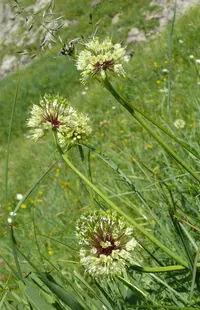
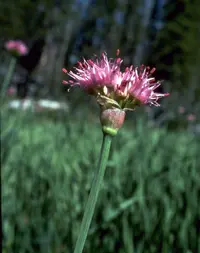
Pacific onion (Allium validum) is a perennial bulb-forming plant in the onion family, known for its tall, slender leaves and rose-pink flower clusters. It typically forms dense clumps and produces rounded umbels that attract bees and other pollinators in summer.

This species is native to wet meadows, streambanks, and high-elevation habitats in western North America. It is generally considered easy to grow where cool conditions and consistent moisture are available.

Plants prefer full sun to light shade, moist yet well-drained soil, and relatively cool summers. Understanding these conditions helps gardeners know how to care for Pacific onion in home landscapes.

Main Plant Requirements

Care Difficulty

Moderate Care

Light Preference

Full Sun

Water Requirements

Keep Soil Moist

Temperature Preference

Cold Hardy

Hardiness Zone

4–8

Soil Texture

Loamy, Silty, Organic-rich

Soil pH

Acidic (5.5–6.5), Slightly acidic (6.5–7.0)

Soil Drainage

Moist but well-drained

Fertilization

Minimal (feed rarely)

Get Personalized Care Plan

Scan your plant to receive care tips personalized for your specific plant

Available on iOS and Android

How to Care for the Pacific onion

This mountain onion thrives in cool, bright sites with consistent sun exposure.

  • Provide 4–6 hours of direct morning to early afternoon sun; light afternoon shade helps in hotter, lowland sites.
  • Tolerates light partial shade, but dense shade reduces flowering and produces weak, floppy leaves on Pacific onion.
  • In summer, protect from intense, reflected afternoon sun in very hot areas to prevent leaf scorch, while in cooler climates it can take full sun all day.

This species is adapted to moist meadows and prefers evenly moist but not stagnant soil.

  • Aim for soil that stays consistently damp 5–10 cm down; do not allow long periods of bone-dry soil, especially during active growth.
  • Increase watering during late spring and summer if rainfall is low, using soil feel and leaf turgor (firm vs limp) rather than a fixed schedule for Allium validum.
  • Reduce supplemental water after flowering and toward dormancy, and avoid standing water or heavy clay that causes bulb rot and yellowing, mushy foliage.

This plant is naturally cool-climate and tolerates cold better than prolonged heat.

  • Optimal growing temperatures are about 55–70°F (13–21°C), with strong growth in cool springs and mild summers.
  • Bulbs tolerate winter cold down to about 0–10°F (-18 to -12°C) when planted in the ground and mulched, entering dormancy in deep winter.
  • In hot regions, repeated days above 90°F (32°C) can stress plants; provide mulched, moist soil and some afternoon shade to limit heat stress and premature dieback.

Allium validum handles a wide humidity range but grows best in moderately moist air.

  • Aim for 40–60% humidity, similar to typical outdoor summer conditions in many temperate regions.
  • Plants tolerate relatively dry air if soil moisture is steady, but prolonged hot, dry winds can stress foliage.
  • Crisping leaf tips or fold-over of soft leaves signal low-humidity stress; group plants or use windbreaks to moderate air dryness.

Allium validum prefers consistently moist, well-structured soil that never stays waterlogged.

  • Use a deep, loamy mix with high organic matter, such as 50–60% composted bark or leaf mold blended with garden loam and 10–20% coarse sand.
  • Ensure free drainage; water should infiltrate quickly yet the surface should stay slightly damp between waterings, mimicking streambank conditions.
  • Target slightly acidic to neutral pH around 6.0–7.0, avoiding strongly alkaline soils that can reduce nutrient availability.
  • Improve aeration and drainage in heavy clay by incorporating coarse sand or fine gravel into the top 20–25 cm and creating slightly raised planting zones.

This species can grow in containers if the pot is deep and moisture management is controlled carefully.

  • Select a tall, stable pot at least 25–30 cm deep to allow the root system to anchor and prevent toppling in wind.
  • Choose a heavier material such as ceramic or thick-walled plastic to slow moisture loss while still allowing adequate drainage.
  • Elevate the container slightly on feet or bricks so drainage holes clear quickly and excess water does not pool under the base, which supports healthy growing Pacific onion.

Allium validum benefits from modest feeding in lean or heavily drained soils, but established clumps often manage with minimal input.

  • Use a light top-dressing of compost or a balanced slow-release fertilizer (around 10-10-10) once in early spring as new growth emerges.
  • In richer garden soil, skip additional feeding or use only very low doses to avoid lush, floppy foliage in Pacific onion plantings.
  • If using liquid fertilizer, dilute to 1/2–1/4 strength and apply no more than once per month during active growth.
  • Stop feeding in late summer as foliage begins to yellow, and do not fertilize during winter dormancy.

Pruning needs for Allium validum are minimal and focus on cleanliness and seed control rather than shaping.

  • In late summer or early fall, cut back yellowing or dead leaves at the base using clean, sharp scissors or hand pruners.
  • Remove spent flower stalks after blooming if seed spread is not desired, leaving foliage to photosynthesize until it naturally declines.
  • Trim only damaged, diseased, or badly bent stems during the season to maintain plant health and reduce fungal issues.
  • Avoid heavy cutting of green leaves, as this can weaken bulbs and reduce flowering in subsequent years.

This species is more often transplanted in the garden than grown long-term in containers, but the same root-care principles apply.

  • Plan transplanting or repotting for early spring or early fall, when temperatures are mild and plants are not under strong heat stress.
  • Look for roots circling the container, soil drying very quickly, or noticeably reduced growth as cues that a potted clump needs more space.
  • Lift clumps gently, teasing apart crowded bulbs with minimal breakage, and replant at the same depth in well-drained, moist soil.
  • Water thoroughly after replanting, then keep soil evenly moist for several weeks to reduce transplant shock and support root recovery.

Allium validum is commonly propagated by division of mature clumps, with seed used mainly for larger-scale or genetic-diversity plantings.

  • Divide established clumps in early spring or just after flowering, when soil is workable and plants are not in peak stress.
  • Lift the clump, separate offsets (small bulbs) by hand, and replant them at similar depth, spacing them 10–15 cm apart.
  • Keep the replanted bulbs in moist, well-drained soil with full sun to light shade to encourage quick root establishment.
  • For seed propagation, sow fresh seed in trays outdoors in fall, allowing natural winter chilling to break dormancy and aid germination.

This cold-hardy species usually requires little winter care once established in the ground.

  • Dormant bulbs tolerate typical frost and snow in most temperate climates without additional covering.
  • In very cold regions (below about -10°F), apply a 5–8 cm layer of loose mulch over the root zone after the ground cools but before deep freezes.
  • Container-grown plants are more exposed; move pots into an unheated garage, cold frame, or sheltered porch to limit freeze–thaw swings.

Care Tips

Streamside-style mulching

Apply a 3–5 cm layer of fine bark or compost mulch around clumps to mimic cool mountain stream banks, keeping it a few cm away from the stems to prevent rot and suppress weeds.

Clump division timing

Divide crowded clumps every 3–4 years in early spring as new shoots emerge, replanting divisions immediately at the same depth to maintain vigor and flower production.

Moisture mapping

Place plants in the lowest, coolest part of a border or near a water feature and group them with other moisture-loving perennials to keep soil more evenly moist through summer.

Seed ripening management

If seed collection is desired, allow only a few strong flower heads to ripen fully, then deadhead the rest to reduce energy drain and keep the clump compact when growing Pacific onion.

Snow and freeze protection

In colder regions, leave the spent foliage over winter or add a loose straw mulch after the ground freezes to insulate bulbs from repeated freeze–thaw cycles.

Common Pests and Diseases

onion maggot

This pest attacks the bulbs and roots, causing yellowing foliage, stunted growth, and plant collapse in wet meadows or cultivated stands.

Solution

Use floating row covers over young plants in cultivated beds, rotate with non-allium crops, and remove any infested bulbs. In damp sites, improve drainage and avoid leaving decaying allium material in the soil, which attracts adult flies to lay eggs.

allium leaf miner

This pest tunnels through leaves and down into the stems, leading to distorted foliage, premature yellowing, and weakened flowering shoots.

Solution

In garden or restoration plantings, cover plants with fine insect netting during the adult flight period, and remove and destroy infested leaves and stems. Avoid overlapping plantings of multiple allium species in small areas, which can help reduce local population build-up.

downy mildew

This disease causes pale, yellowish patches on leaves that may develop a gray to purplish fuzzy growth in cool, moist conditions, eventually leading to leaf collapse.

Solution

Increase air movement around plants by avoiding overcrowding and by removing excessive surrounding vegetation, and water at soil level rather than over foliage. Remove and dispose of heavily infected leaves or clumps, and avoid replanting alliums in the same poorly ventilated, shaded locations.

leaf spot

This disease produces small, elongated brown or purplish lesions on leaves that can merge into larger dead patches, reducing photosynthesis and vigor.

Solution

Remove and discard affected leaves to reduce inoculum, and avoid overhead watering, especially late in the day. Space plants to promote faster drying of foliage, and do not leave infected leaf debris around stands of Allium validum.

bulb nematodes

These microscopic worms invade bulbs and basal plates, causing swollen, softened tissues, distorted growth, and poor emergence in subsequent seasons.

Solution

Discard any suspect bulbs instead of replanting, and avoid moving soil or plant material from infested areas to clean sites. In garden cultivation, source bulbs from reputable suppliers and rotate plantings away from previously affected beds to gradually reduce nematode populations.

Interesting Facts

High-elevation specialist

This species is naturally restricted to wet subalpine and montane meadows of western North America, often growing along seeps and stream margins at relatively high elevations where the soil stays cool and moist through summer.

Bulb and stem flavor

The bulbs and hollow flowering stems have a mild onion flavor and aroma that are characteristic of the species and have been traditionally used as a food seasoning by several Indigenous groups in its native range.

Pollinator-friendly umbels

Its compact, rose-pink to magenta flower umbels provide abundant nectar and pollen and regularly attract a wide range of native bees, syrphid flies, and other meadow pollinators in high-elevation habitats.

Botan icon

Did you know?

Allium validum is considered a wet-meadow ecological indicator in parts of its native range, so its presence often signals long-persisting, seasonally saturated soils and relatively undisturbed hydrology in mountain meadow systems.

FAQs about Pacific onion

Yellowing foliage often means natural seasonal dieback after flowering, but it may also indicate waterlogged soil, nutrient-poor substrate, or compacted roots. Check drainage, avoid standing water, refresh soil, and remove only fully spent leaves.

Grow Healthy Plants with Botan Care

Keep your plants happy and healthy with plant identification, disease detection, and easy care guidance.

Botan plant care app — identify plants on mobile

Explore More Plants