threebract onion Care (Allium tribracteatum)

Also known as: three-bracted onion
threebract onion

About threebract onion

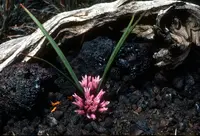
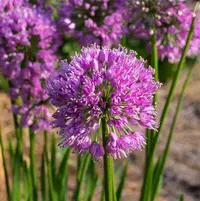
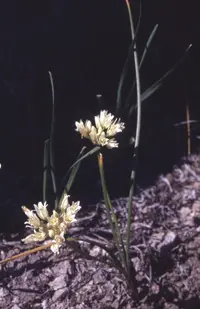
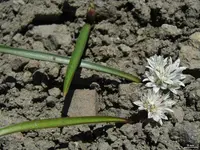
Threebract onion, Allium tribracteatum, is a small bulb-forming perennial native to rocky slopes and open woodland clearings in parts of California. It typically grows in low clumps with narrow, grasslike leaves. In spring it produces short flowering stems topped with loose clusters of white to pink star-shaped blooms and the distinctive three small bracts that give the species its name. This species is adapted to well-drained, often gritty soils and a marked dry season, which influences how to care for threebract onion in garden or container settings. Its compact size and seasonal growth pattern make it appealing but slightly more demanding than common garden onions, especially in regions with wet summers or heavy soils.

Main Plant Requirements

Care Difficulty

Moderate Care

Light Preference

Full Sun

Water Requirements

Low Water

Temperature Preference

Cold Hardy

Hardiness Zone

5–8

Soil Texture

Sandy, Loamy, Rocky

Soil pH

Slightly acidic (6.5–7.0), Neutral (7.0)

Soil Drainage

Well-drained

Fertilization

Minimal (feed rarely)

Get Personalized Care Plan

Scan your plant to receive care tips personalized for your specific plant

Available on iOS and Android

How to Care for the threebract onion

This small mountain allium needs strong light to flower well in cultivation.

  • Provide full sun for 6–8 hours daily; morning sun plus light afternoon sun is ideal, especially in cool, dry climates.
  • Plant in an open, unshaded spot; threebract onion tolerates very light afternoon shade in hotter regions but blooms may be fewer.
  • Avoid dense shade, which causes weak, floppy leaves and poor flowering, and watch for leaf scorch if sun combines with reflected heat from walls or rocks.

This bulb prefers brief moisture in its growth period and drier soil afterward.

  • During active growth, water only when the top 3–5 cm of soil feel dry, then soak thoroughly and let excess drain away.
  • Use gritty, fast-draining soil on a slope or raised area to prevent standing water, which leads to bulb rot and yellowing, mushy foliage.
  • Reduce or stop watering once leaves naturally die back; very dry, firm soil and shriveling foliage tips signal dormancy rather than underwatering for Allium tribracteatum.

This species is adapted to cool, dry mountain conditions with distinct seasons.

  • Active growth and flowering occur best around 50–70°F (10–21°C), with cooler nights encouraging compact foliage and strong stems.
  • Dormant bulbs tolerate winter lows to about 10–15°F (-12 to -9°C) if soil drains freely and does not stay waterlogged in freezing periods.
  • In summer, plants handle short heat waves up to 85–90°F (29–32°C) if soil remains dry; prolonged hot, humid conditions increase rot risk and stress.

Humidity is not a significant factor for Allium tribracteatum, which is adapted to dry air.

Allium tribracteatum prefers lean, sharply drained mineral soil that mimics rocky slopes.

  • Use a gritty mix such as 50% coarse sand or fine gravel with 50% sandy loam to prevent water retention around the bulbs.
  • Keep pH slightly acidic to neutral, around 6.0–7.0, avoiding strongly acidic or alkaline substrates that limit nutrient uptake.
  • Ensure strong drainage by using a raised bed or rocky berm so water does not pool around the bulb zone.
  • Avoid heavy clay or peat-heavy mixes that compact and stay wet, increasing the risk of bulb rot and poor aeration.

This species can be grown in containers if the pot is set up to stay very free-draining.

  • Choose a squat, wide container at least 15–20 cm deep so the bulbs have lateral space without excessive soil volume that stays wet.
  • Use a rigid, unglazed clay or terracotta pot that allows moisture to evaporate faster than plastic, reducing rot risk.
  • Elevate the pot on feet or bricks so drainage holes remain clear and excess water escapes rapidly after rainfall or watering.

This small bulb, known as threebract onion, needs minimal feeding in typical garden soils.

  • Use a light top-dressing of compost or a low-dose balanced NPK fertilizer (around 5-5-5) once in early spring as growth starts.
  • Apply fertilizer at half the label strength to avoid pushing soft, floppy foliage or reducing flowering.
  • Do not feed during summer dormancy or winter, as bulbs rest and excess nutrients can lead to rot.

Allium tribracteatum needs only light pruning to keep clumps tidy and healthy.

  • In late spring or after flowering, remove spent flower stalks at the base to keep the plant neat and reduce self-seeding.
  • Trim yellowing or damaged leaves with clean, sharp scissors without cutting into firm green tissue.
  • Avoid heavy cutting during active growth, as the foliage feeds the bulb for next season’s blooms.

This compact bulb is usually grown in the ground, so transplanting matters more than repotting.

  • Lift and divide clumps every 3–4 years if flowering declines, bulbs crowd, or growth becomes sparse.
  • Transplant in late summer to early fall, when foliage has died back and bulbs are dormant.
  • Gently tease bulbs apart, keeping roots intact, and replant at the same depth in sharply drained, gritty soil.
  • Water lightly after replanting to settle the soil, then let the area dry slightly to reduce rot risk.

New plants are usually produced by bulb division or seeds rather than cuttings.

  • Divide offsets from mature bulbs in late summer or early fall when the plant is fully dormant.
  • Replant offsets at the same depth in well-drained, gritty soil and water once to settle them in.
  • For seeds, sow fresh in fall on the surface of a drained mix, barely covering, and leave outdoors for natural chilling.
  • Keep seed trays evenly moist but not waterlogged; germination may be slow and irregular over 1–2 seasons.

This species is generally cold hardy in suitable climates and needs little winter care.

  • In regions with wet winters, ensure very sharp drainage to prevent bulbs from rotting in cold, saturated soil.
  • Apply a light gravel or grit mulch over the bulb zone to shed excess moisture and moderate temperature swings.
  • Container-grown bulbs in colder zones can be moved to a cold, sheltered, frost-free but bright spot for winter.

Care Tips

Rocky planting pockets

Tuck bulbs into shallow crevices or pockets among rocks or gravel where water drains quickly, which mimics their native scree habitat and greatly reduces rot risk.

Mark dormant spots

After foliage dies back, mark bulb locations with small stones or unobtrusive labels so you do not accidentally disturb them when working the bed during their dry summer dormancy.

Controlled container drying

If grown in pots, move containers under a roof overhang or into a cold frame after flowering so you can keep them almost completely dry through summer while still exposed to cool air and light.

Use mineral mulch

Top-dress the planting area with a 1–2 cm layer of fine gravel or grit to keep the bulb necks dry, limit weed competition, and maintain the sharp drainage this species needs.

Gentle seed collection

Allow seed heads to dry on the plant, then collect and sow seeds in a separate, sharply drained tray to build up a stock of young plants without disturbing established clumps when growing threebract onion.

Common Pests and Diseases

Allium leaf miner

This pest creates narrow, winding tunnels in leaves and flower stalks, causing foliage to yellow, collapse, and bulbs to weaken. This insect is a fly whose larvae feed inside Allium tissues, which can be serious for small bulbs like Allium tribracteatum.

Solution

Remove and destroy infested leaves and flower stalks as soon as damage is noticed, and avoid composting them. Use fine insect netting over plants during the adult flight period, and in small collections consider timing growth or flowering under cover to reduce exposure in regions where allium leaf miner is established.

Onion thrips

These insects suck sap from leaves, leading to silvered or bleached streaks, speckling, and gradual leaf decline. This pest is more likely in dry, exposed sites or when plants grow near cultivated onions or leeks.

Solution

Rinse foliage with a firm stream of water to dislodge thrips and repeat several times over a week. Encourage airflow, avoid drought stress, and if needed use insecticidal soap or horticultural oil applied to both leaf surfaces, following label directions and avoiding high heat conditions.

Botrytis leaf blight

This disease causes small, water-soaked or pale spots on leaves that enlarge into tan lesions, often with a soft, blighted appearance in cool, damp conditions. Symptoms include premature leaf dieback and poor flowering when the infection is severe.

Solution

Remove and discard affected leaves and any plant debris around clumps to reduce fungal spores. Improve air circulation, avoid overhead watering, and in persistently wet climates consider a preventative fungicide labeled for Botrytis on ornamentals, applied at the start of cool, moist weather periods.

Downy mildew

This disease produces yellow or pale patches on leaves that can develop a grayish to purplish fuzzy growth on the undersides in cool, humid weather. Symptoms include distorted, weakened foliage and reduced vigor of the bulbs over time.

Solution

Space plants so air can move freely, water at soil level in the morning, and remove severely affected leaves to limit spread. In collections of rare natives, growers who want to grow Allium tribracteatum long term often use a downy mildew-specific fungicide as a preventative during prolonged cool, wet spells, following label instructions strictly.

Interesting Facts

Sierra Nevada endemic

This species is naturally restricted to a small region of the central Sierra Nevada in California, where it grows on open, often rocky granitic slopes at relatively high elevations.

Conspicuous three bracts

The name tribracteatum refers to the three prominent papery bracts that surround each flower head, a distinctive feature that helps separate it from many other small North American alliums.

Early-season bloomer

It typically flowers in spring soon after snowmelt in its mountain habitat, taking advantage of brief periods of moist soil and cool temperatures before summer drought sets in.

Botan icon

Did you know?

This species is considered of conservation concern in parts of its range because it has a relatively limited distribution and specialized habitat, making natural populations vulnerable to disturbance and habitat alteration.

FAQs about threebract onion

Lack of blooms usually comes from insufficient light, overly rich or wet soil, or overcrowded bulbs. This species also needs a cool, dry rest after flowering. Without that dormant period, flower production often declines the following season.

Grow Healthy Plants with Botan Care

Keep your plants happy and healthy with plant identification, disease detection, and easy care guidance.

Botan plant care app — identify plants on mobile

Explore More Plants