


Pinch For Bushiness
Pinch out the soft shoot tips when stems have 3–4 leaf pairs to encourage branching, shorter internodes, and a fuller dome of flowers rather than a few lanky stalks.

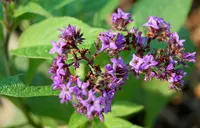
Garden heliotrope, Heliotropium arborescens, is a tender flowering perennial often grown as an annual in cooler climates. It forms compact, bushy mounds with softly wrinkled, dark green leaves. Dense clusters of small purple, blue, or white flowers create a sweet, vanilla-like fragrance that is strongest in warm, still air. The plant originated in Peru and has long been used in ornamental plantings and containers. It prefers sun, moderate moisture, and well-drained soil, and benefits from protection from extreme heat or drought. With these conditions, it is relatively straightforward for most home gardeners to care for garden heliotrope.

Care Difficulty
Moderate Care

Light Preference
Full Sun

Water Requirements
Regular Water

Temperature Preference
Tropical / Frost Sensitive

Hardiness Zone
10–11

Soil Texture
Sandy, Loamy, Organic-rich

Soil pH
Acidic (5.5–6.5), Slightly acidic (6.5–7.0)

Soil Drainage
Moist but well-drained

Fertilization
Moderate (every 2–4 weeks)
Scan your plant to receive care tips personalized for your specific plant
Available on iOS and Android
This sun-loving perennial performs best with bright exposure and protection from harsh extremes.
This species prefers evenly moist, well-drained soil and reacts quickly to both drought and waterlogging.
This plant grows best in mild, frost-free conditions with moderate summer heat.
This species prefers moderately moist air but usually adapts to typical home humidity.
Heliotropium arborescens grows best in loose, well-drained, fertile soil.
This species is well suited to container growing outdoors in bright, frost-free conditions.
Balanced feeding supports strong growth and flowering in garden heliotrope without causing weak, lush foliage.
Thoughtful pruning keeps Heliotropium arborescens compact, bushy, and flowering well.
Container or bedding plants benefit from timely transplanting to maintain healthy roots and steady growth.
New plants are most often produced from softwood cuttings, with seeds used less for consistent cultivars.
This plant is frost-tender and needs protection in regions with freezing winters.

Plant Health Check
Not sure what's wrong with your plant? Check your plant's health inside the app.
The flowers produce a sweet scent often compared to vanilla or cherry pie, caused by a mix of aromatic compounds that peak in warmth and still air.
This species contains pyrrolizidine alkaloids, especially in leaves and seeds, which can be toxic to livestock, pets, and humans if ingested in quantity and may cause liver damage.
The plant was a popular ornamental in Victorian-era gardens, valued for its continuous summer bloom and fragrance, and was frequently grown in parterres and near walkways for evening scent.

In some regions, this species is used as a parent in breeding programs to create compact, more heat-tolerant ornamental hybrids that retain the strong fragrance but better tolerate modern urban planting conditions.
Poor flowering usually comes from too little light, heavy feeding with high-nitrogen fertilizer, or old, tired plants. Deadhead spent clusters, avoid strong nitrogen, and refresh plants every 1–2 years to keep blooms reliable.
Keep your plants happy and healthy with plant identification, disease detection, and easy care guidance.

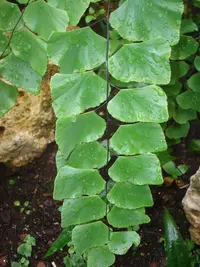
Silver-dollar Fern
Adiantum peruvianum
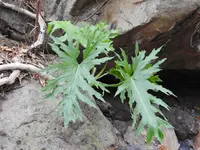
Philodendron warszewiczii
Philodendron warszewiczii
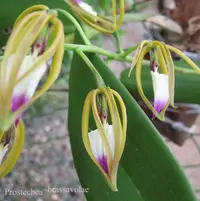
Prosthechea brassavolae
Prosthechea brassavolae
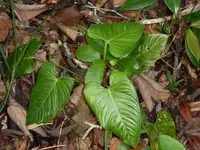
Philodendron ornatum
Philodendron ornatum
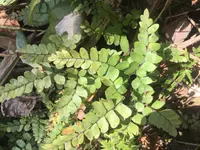
Fan-leaved Maidenhair
Adiantum flabellulatum
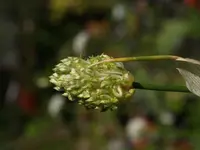
Drumstick Allium
Allium guttatum subsp. sardoum
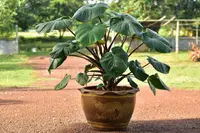
Homalomena rubescens
Homalomena rubescens
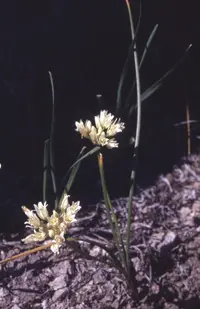
textile onion
Allium textile