Fan-leaved Maidenhair Care (Adiantum flabellulatum)

Fan-leaved Maidenhair

About Fan-leaved Maidenhair

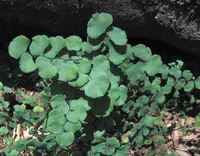
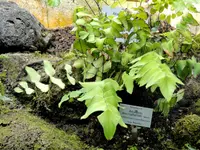
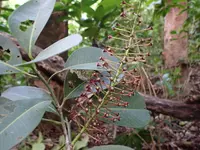
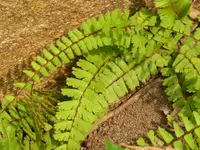
Fan-leaved maidenhair (Adiantum flabellulatum) is a delicate, evergreen fern known for its fine, wiry black stems and small fan-shaped leaf segments. It forms graceful, arching clumps that give a soft, airy look, making it suitable for shaded indoor displays and sheltered outdoor spots in mild climates.

In nature, it typically grows on moist rocks, cliffs, and walls in humid, subtropical to tropical regions, often near waterfalls or stream edges. Its thin fronds and shallow roots dry out quickly, so it needs steady moisture and good humidity, which can make it more demanding than some other ferns. Understanding how to care for Fan-leaved Maidenhair starts with providing soft, indirect light, evenly moist substrate, and excellent drainage.

Main Plant Requirements

Care Difficulty

Hard Care

Light Preference

Partial Shade

Water Requirements

Keep Soil Moist

Temperature Preference

Tropical / Frost Sensitive

Hardiness Zone

10–11

Soil Texture

Loamy, Peaty, Organic-rich

Soil pH

Acidic (5.5–6.5)

Soil Drainage

Moist but well-drained

Fertilization

Light (every 4–6 weeks)

Get Personalized Care Plan

Scan your plant to receive care tips personalized for your specific plant

Available on iOS and Android

How to Care for the Fan-leaved Maidenhair

This fern prefers soft, indirect light that mimics a shaded forest floor.

  • Provide 4–6 hours of bright, filtered light daily, such as under a sheer curtain or dappled shade beneath taller plants.
  • Allow gentle morning sun only; shield Fan-leaved Maidenhair from harsh midday or afternoon sun to prevent frond scorch and bleaching.
  • In darker seasons or deep shade, move slightly closer to a bright window or brighter outdoor position so fronds stay compact and do not grow sparse or pale.

This fern needs consistently moist but not waterlogged conditions to maintain healthy fronds.

  • Water when the top 1–2 cm of soil feels just barely dry, aiming for evenly damp soil from surface to root zone.
  • Use loose, well-draining soil so excess water runs out freely; yellowing, limp fronds often signal overwatering and poor aeration.
  • In cooler months reduce frequency but do not let the root zone dry completely; crisping tips and drooping fronds indicate the need for more moisture for Adiantum flabellulatum.

This species thrives in stable, mild, frost-free conditions resembling a humid understory habitat.

  • Aim for 65–80°F (18–27°C) for active growth; short dips to 60°F (16°C) are usually tolerated if soil is not soggy.
  • Protect from cold; damage often occurs below 50°F (10°C), and frost can kill fronds or the whole crown.
  • In hot spells above 85°F (29°C), increase humidity, provide deeper shade, and avoid hot, drying winds to reduce stress and frond scorch.

This fern needs consistently high humidity to maintain healthy, delicate fronds.

  • Aim for 60–80% humidity; it declines in appearance when levels stay below 50%.
  • Dry air causes crisping tips, brown edges, and rapid frond drop, especially near heaters or vents.
  • Increase humidity with a nearby humidifier, covered pebble tray under the pot, or grouping plants to create a moister microclimate for Fan-leaved Maidenhair.

This species prefers a loose, humus-rich mix that stays evenly moist yet drains freely.

  • Use a mix of 2 parts peat or coco coir, 1 part fine bark, and 1 part perlite to create airy, moisture-retentive structure for Adiantum flabellulatum.
  • Ensure water drains through in seconds, not minutes; a heavy, soggy mix suffocates roots and encourages rot.
  • Keep pH slightly acidic to neutral, around 5.5–7.0, by combining peat or coir with compost rather than alkaline garden soil.
  • Improve aeration by using fine orchid bark or pumice instead of sand, which can compact and reduce oxygen around the roots.

This fern is well suited to growing in containers when moisture around the roots is kept stable.

  • Choose a relatively wide, shallow pot to match its fibrous, surface-skimming roots and reduce deep, wet zones that stay saturated.
  • Use a pot material that matches your watering style: porous terracotta dries faster, while glazed ceramic slows water loss for those who underwater.
  • Ensure drainage holes stay clear and empty saucers promptly so runoff does not wick back and keep the lower root zone waterlogged.

This fern benefits from light, consistent feeding but is sensitive to excess salts.

  • Use a balanced liquid fertilizer (for example 10-10-10) diluted to 1/4–1/2 strength for Fan-leaved Maidenhair.
  • Apply every 4–6 weeks during the active growing season, after thoroughly watering the soil first.
  • Avoid fertilizing in late fall and winter, or reduce to 1 very light feeding if growth continues indoors.
  • Organic options such as weak compost tea are suitable if the solution is well strained and applied sparingly.

Adiantum flabellulatum responds well to light, maintenance-focused pruning to keep fronds fresh and healthy.

  • Prune at any time of year, but late winter or early spring tidying helps present a clean flush of new fronds.
  • Remove dead, yellowing, or damaged fronds by cutting them at the base with clean, sharp scissors.
  • Thin very crowded fronds to improve air circulation and reduce fungal issues in humid indoor conditions.
  • Avoid cutting healthy frond tips, as this can lead to brown edges and a less graceful overall shape.

This fern prefers stable conditions and benefits from careful, infrequent repotting or transplanting.

  • Plan to repot every 2–3 years in spring when roots circle the pot or growth becomes noticeably slower.
  • Choose a container only 2–3 cm wider with a well-draining, moisture-retentive mix rich in organic matter.
  • Gently loosen the root ball without tearing fine roots, and keep rhizomes at the same soil level as before.
  • Water thoroughly after repotting, keep humidity high, and shade from strong light for 1–2 weeks to reduce stress.

Division is the most practical method for increasing Adiantum flabellulatum plants at home.

  • Divide established clumps in spring when new fronds begin to emerge and the plant is actively growing.
  • Lift the root ball and separate into sections, each with several healthy fronds and a good portion of rhizome and roots.
  • Plant divisions into small, snug pots with a fine, moisture-retentive mix and firm gently around the roots.
  • Maintain high humidity, stable warmth (65–75°F), and evenly moist soil until divisions show new frond growth.

This fern is frost-sensitive and needs mild, protected conditions in winter, especially in container culture.

  • In climates below 40°F, grow Adiantum flabellulatum in pots that can be moved indoors before first frost.
  • Indoors, keep temperatures around 60–70°F, away from cold drafts, heaters, or rapidly fluctuating conditions.
  • Maintain slightly moist soil, never waterlogged, and increase humidity with trays or room humidifiers in heated homes.

Care Tips

Pot selection strategy

Choose a wide, shallow pot with good sidewall drainage holes so the shallow, fibrous rhizomes can spread horizontally without staying waterlogged.

Frond grooming routine

Inspect and remove yellowing or blackened fronds by cutting them at the base with clean scissors to reduce fungal spread and stimulate new, healthy growth.

Air movement control

Provide very gentle, indirect air movement away from vents or fans to reduce fungal issues without drying the delicate fronds.

Water quality management

Use filtered, rain, or rested tap water to avoid leaf edge burn from salts and chlorine, which are common problems when caring for Fan-leaved Maidenhair.

Quarantine and monitoring

Quarantine any new ferns for 2–3 weeks and check leaf undersides for scale, aphids, or mealybugs so pests are not introduced into an established collection.

Common Pests and Diseases

Rhizoctonia leaf blight

This disease causes irregular tan to dark-brown lesions that start at the leaf edges or tips, leading to rapid collapse of the delicate leaf segments. Symptoms include a water-soaked margin around spots and a tendency for entire fronds to wither in humid, crowded conditions.

Solution

Remove and discard affected fronds, improve spacing and airflow around the plant, and avoid overhead watering so fronds dry quickly. In severe or persistent cases, use a fungicide labeled for Rhizoctonia on ferns, applied according to label instructions, and keep the potting mix lightly moist rather than wet.

Botrytis gray mold

This disease produces soft, pale-brown patches on fronds that soon develop a fuzzy gray mold, especially in cool, stagnant, humid air. Symptoms include rapid spotting on older fronds and decay at the base of dense foliage or fallen leaf litter on the soil surface.

Solution

Promptly prune and discard all infected fronds and any dead plant material from the soil surface, and increase ventilation while keeping humidity moderate. Reduce overhead misting on foliage, water in the morning, and if needed apply a suitable fungicide for gray mold on ornamentals, focusing on preventing prolonged leaf wetness as part of Adiantum flabellulatum care instructions.

Fern scale

These insects appear as small, flat, tan to brown bumps on stems and frond midribs, often forming clusters along the lower leaf surfaces. This pest feeds on sap, causing yellowing, weak growth, and sometimes sticky honeydew that can encourage sooty mold.

Solution

Isolate the plant, then gently wipe fronds and stems with a cotton pad dipped in diluted alcohol or insecticidal soap, repeating every 7–10 days until new growth is clean. Improve light and general vigor, and in heavier infestations use a systemic insecticide labeled for indoor ornamental ferns, following all safety directions.

Spider mites

These insects are tiny sap-feeding arachnids that thrive in warm, dry indoor air, causing fine pale speckling and a dull, grayish cast on the fronds. This pest may also leave delicate webbing between leaf segments, and affected fronds become brittle and drop prematurely.

Solution

Increase humidity around the plant, then thoroughly rinse both sides of the fronds with a gentle shower or sink sprayer to dislodge mites, repeating several times over 1–2 weeks. For persistent populations, apply insecticidal soap or a horticultural oil labeled for spider mites on ferns, ensuring full coverage of the undersides of the leaflets.

Aphids

These insects cluster on tender new fronds and rachises, sucking sap and causing distortion, weak growth, and sticky honeydew deposits. This pest can quickly build up in sheltered indoor or greenhouse conditions, especially on soft, newly emerging fronds.

Solution

Rinse off colonies under a gentle stream of lukewarm water, then treat remaining insects with insecticidal soap or a light horticultural oil, concentrating on new growth and undersides of fronds. Monitor new flushes of foliage closely and repeat treatments as needed, while avoiding excessive nitrogen fertilization that encourages soft, aphid-prone growth.

Interesting Facts

Fan shaped leaf segments

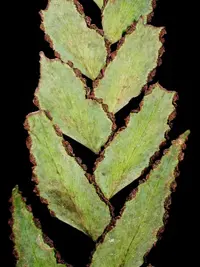
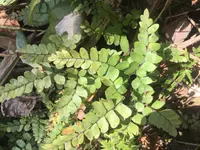
This species forms delicate leaf blades divided into many small, fan shaped segments with straight to slightly lobed tips, giving it a finer, more lacy texture than many other maidenhair ferns.

Rock loving fern

In nature it commonly grows on shaded, moist rock faces, cliff ledges, and old walls in humid valleys, anchoring its thin rhizomes into small crevices rather than deep soil.

Spores on undersides

Its reproductive sori, the structures that produce spores, form in neat rows along the undersides of the leaflet margins and are protected by the reflexed leaf edge instead of separate flap like coverings.

FAQs about Fan-leaved Maidenhair

Brown leaf edges usually come from low humidity, dry soil, or exposure to hot or cold drafts. Salt buildup from hard water or fertilizer can also scorch tissue. Trim damaged fronds and correct the underlying environmental stress.

Grow Healthy Plants with Botan Care

Keep your plants happy and healthy with plant identification, disease detection, and easy care guidance.

Botan plant care app — identify plants on mobile

Explore More Plants