Pot depth choice
Use a wide, shallow pot to match the plant’s fibrous, surface-oriented root system and reduce the risk of anaerobic, waterlogged lower soil layers.

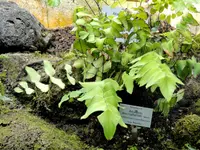
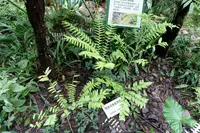
Adiantum macrophyllum, commonly called largeleaf maidenhair, is a tropical fern known for its broad, fan-shaped leaf segments on fine, dark wiry stems. It forms soft, layered clumps that give a delicate, airy look despite its relatively large fronds.
This species occurs naturally in humid forests of Central and South America, often in shaded, sheltered spots with consistently moist conditions. Its need for stable moisture, higher humidity, and gentle, indirect light makes it moderately challenging for beginners.
Those who learn how to care for largeleaf maidenhair typically focus on avoiding water stress, sudden drafts, and dry air. It prefers evenly moist, free-draining, organic-rich substrates and protection from harsh sun or temperature extremes.

Care Difficulty
Hard Care

Light Preference
Partial Shade

Water Requirements
Keep Soil Moist

Temperature Preference
Tropical / Frost Sensitive

Hardiness Zone
10–11

Soil Texture
Loamy, Peaty, Organic-rich

Soil pH
Acidic (5.5–6.5)

Soil Drainage
Moist but well-drained

Fertilization
Light (every 4–6 weeks)
Scan your plant to receive care tips personalized for your specific plant
Available on iOS and Android
This fern prefers soft, filtered light that mimics a shaded forest floor.
This fern needs steadily moist but not waterlogged soil to maintain healthy fronds.
This species thrives in consistently warm, frost-free conditions with minimal temperature swings.
This fern needs consistently high humidity to maintain healthy fronds and prevent browning.
This fern prefers a loose, moisture-retentive yet fast-draining mix rich in organic matter.
This species adapts well to container growing when moisture and drainage are carefully balanced.
This fern benefits from light, consistent feeding rather than heavy fertilization.
Pruning Adiantum macrophyllum focuses on hygiene and maintaining an airy, graceful frond display.
Repotting or transplanting this fern is done infrequently and should be as gentle as possible.
Adiantum macrophyllum is most practically propagated by careful division of established clumps.
This fern is frost sensitive and needs mild, protected conditions in winter.

Plant Health Check
Not sure what's wrong with your plant? Check your plant's health inside the app.
This species has much larger pinnules (leaf segments) than most other maidenhair ferns, giving each frond a broad, almost triangular look rather than the finely divided appearance typical of the genus.
In its native range from Central to northern South America, this fern commonly grows on moist, shaded streambanks and wet rock faces, anchoring itself in continuously damp substrates with high humidity.
Like many maidenhairs, it has glossy, dark brown to nearly black stipes and rachises (leaf stalks), but these can be noticeably thicker and more robust in this species to support the weight of its larger leaf segments.
Brown tips or fronds usually indicate low humidity, underwatering, or exposure to hot, dry air. Check that the root zone never fully dries, keep it away from vents or radiators, and increase humidity around the plant.
Keep your plants happy and healthy with plant identification, disease detection, and easy care guidance.