Selective stem thinning
Every 1–2 years, remove a few of the oldest, most congested branches at the base to improve airflow through the shrub and reduce fungal risk when growing aceitillo in warm, humid climates.

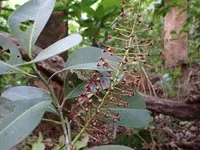
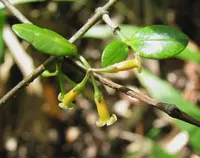
Aceitillo, Pilocarpus racemosus, is an evergreen shrub from tropical regions of the Americas, especially the Caribbean and northern South America. It is best known as a source of medicinal alkaloids.
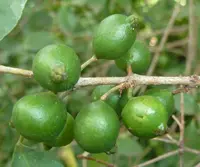
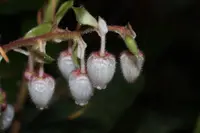
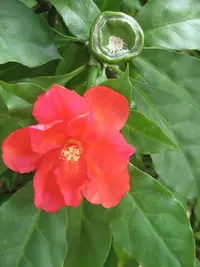
The plant typically forms a multi-stemmed shrub with glossy, divided leaves and small clusters of white to greenish flowers, followed by small fruits. Its natural habitat includes warm, humid forests and scrub.
It can be challenging for casual growers because it prefers consistently warm conditions, good air flow, and protection from cold. Understanding how to care for aceitillo starts with providing bright light, moderate moisture, and very well-drained soil.

Care Difficulty
Moderate Care

Light Preference
Partial Shade

Water Requirements
Moderate Water

Temperature Preference
Tropical / Frost Sensitive

Hardiness Zone
10–11

Soil Texture
Sandy, Loamy, Organic-rich

Soil pH
Acidic (5.5–6.5), Slightly acidic (6.5–7.0)

Soil Drainage
Well-drained

Fertilization
Minimal (feed rarely)
Scan your plant to receive care tips personalized for your specific plant
Available on iOS and Android
Pilocarpus racemosus prefers bright, warm conditions that mimic its native tropical understory.
Pilocarpus racemosus benefits from steady moisture without remaining waterlogged.
This species prefers stable, warm conditions typical of lowland tropical climates.
This species prefers moderately humid air and reacts to very dry conditions.
This shrub prefers slightly acidic, free-draining, organic-rich soil that stays evenly moist but not saturated.
This species can adapt to container growing when moisture and stability are carefully managed.
Pilocarpus racemosus benefits from modest feeding to support steady foliage and stem growth in cultivation.
Pruning Pilocarpus racemosus focuses on maintaining a healthy framework and safe, workable size.
This species is usually grown in the ground, so transplanting young plants carefully is more important than frequent repotting.
Pilocarpus racemosus is usually propagated from semi-ripe cuttings or fresh seed under controlled conditions.
Pilocarpus racemosus is frost-sensitive and needs protection in regions with cold winters.

Plant Health Check
Not sure what's wrong with your plant? Check your plant's health inside the app.
This species is one of the classic natural sources of pilocarpine, an alkaloid that strongly stimulates salivary and sweat glands and has been isolated and studied by pharmacologists for more than a century.
The shrub is native to tropical parts of northern South America and some Caribbean areas, where it grows in warm, humid lowland habitats rather than in dry or high-elevation sites.
Leaves contain a mixture of bioactive alkaloids, with pilocarpine as a major component, and this chemical profile makes the plant of continuing interest in phytochemical and pharmacognostic research on Pilocarpus racemosus plant care and conservation.

Historical records from the late 19th and early 20th centuries show that wild populations of this species were heavily harvested as a commercial raw material for pilocarpine extraction, which led to concern about overcollection and prompted later efforts to cultivate related jaborandi species instead of relying solely on wild plants.
Yellowing foliage usually results from water stress, nutrient deficiency, or root problems. Check for soggy or compacted soil, long periods of dryness, and lack of balanced fertilizer. Correcting watering consistency and improving drainage usually stabilizes new growth.
Keep your plants happy and healthy with plant identification, disease detection, and easy care guidance.